
Thai Coffee, Simply Explained
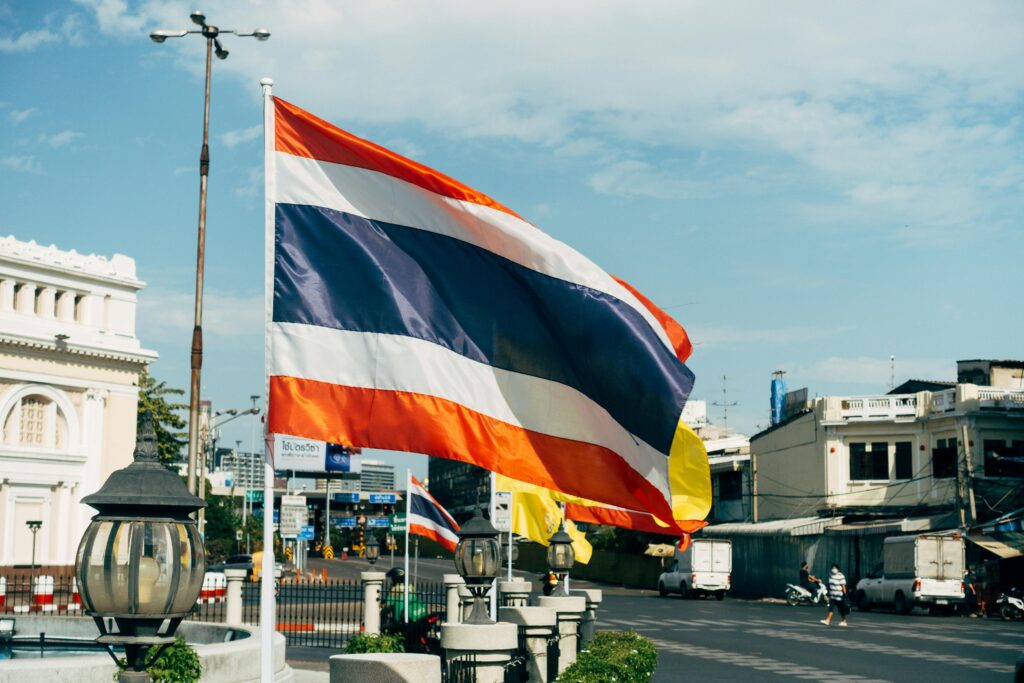
Thai coffee culture is defined by contrast. It combines traditional street-style drinks, strong sweetness and a rapidly growing modern café scene. Unlike countries where coffee follows a single clear identity, Thailand operates across multiple styles at once. Coffee can be simple and heavily sweetened, or precise and specialty-focused depending on where you are. Coffee Production […]
South Korean Coffee, Simply Explained
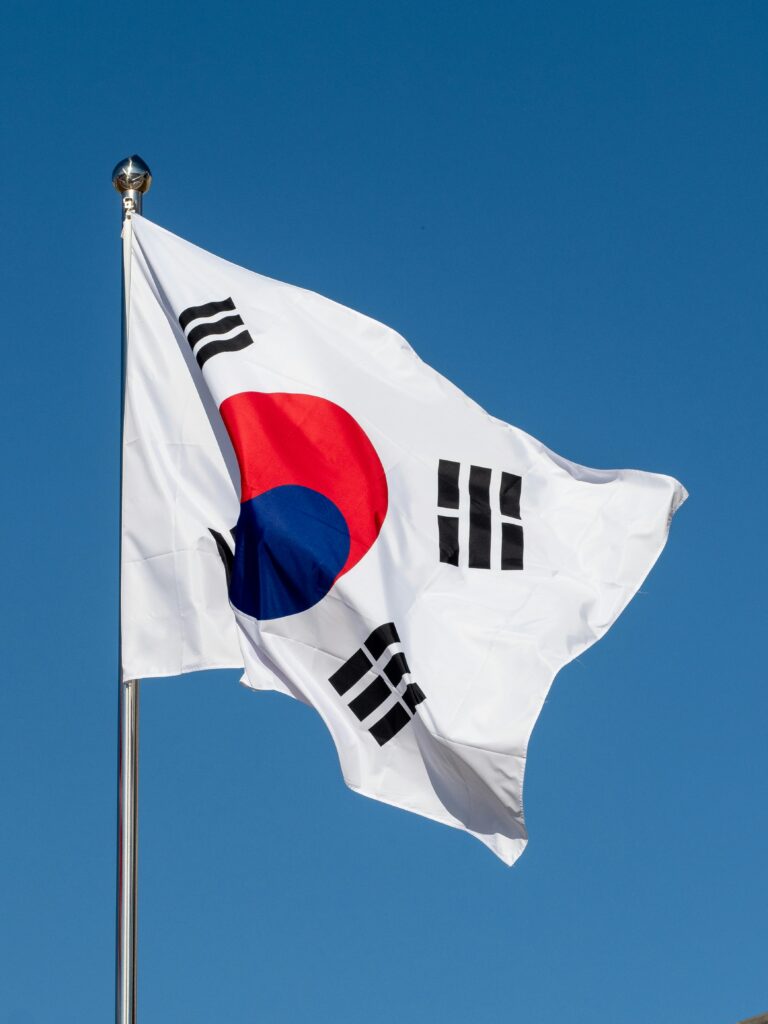
South Korean coffee culture is defined by rapid development, attention to detail and strong visual identity. Unlike countries where coffee traditions evolved gradually over decades or centuries, South Korea’s coffee scene has expanded quickly and with clear influence from global trends. Coffee in South Korea is both a daily habit and a design-driven experience. A […]
Finnish Coffee, Simply Explained

Finnish coffee culture is defined by frequency, simplicity and routine. Unlike countries where coffee is shaped by cafés, ceremony or production, Finland’s relationship with coffee is built around daily consumption at a national scale. Finland consistently ranks among the highest in the world for coffee consumption per person. Coffee is not occasional. It is constant. […]
Moroccan Coffee, Simply Explained
Moroccan coffee culture is influenced by trade, colonial history and strong café traditions. Unlike countries where coffee developed independently over time, Morocco’s coffee habits were shaped by external influences and adapted into local daily life. Coffee in Morocco exists alongside tea culture, which remains dominant. As a result, coffee plays a secondary but still important […]
Hot Chocolate Flakes, Simply Elevated

Hot chocolate flakes are already a step above standard drinking chocolate. They melt more naturally, produce a thicker texture and tend to deliver a more balanced flavour. But like coffee, the result still depends heavily on how they are prepared. Most people focus on the chocolate itself. In reality, the biggest improvements come from small […]
Mexican Coffee, Simply Explained
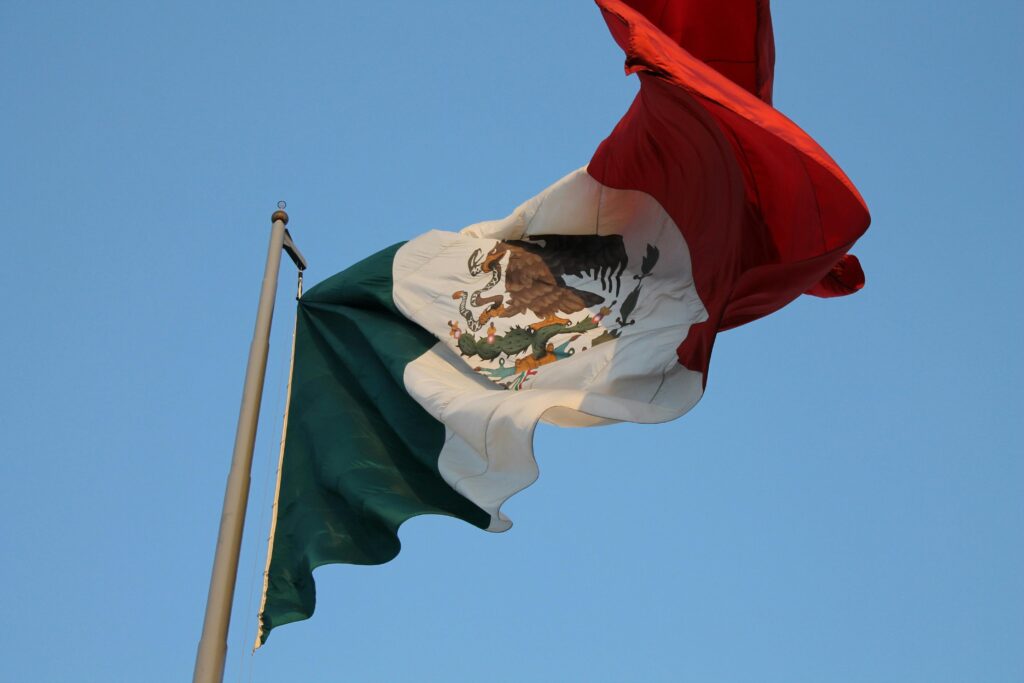
Mexican coffee culture is shaped by tradition, accessibility and regional identity. Unlike countries where coffee is defined by café standards or export reputation, Mexico’s relationship with coffee is rooted in domestic preparation and everyday consumption. Coffee is widely consumed, often prepared simply and closely tied to local customs. Coffee Production in Mexico Mexico is a […]
Panamanian Coffee, Simply Explained
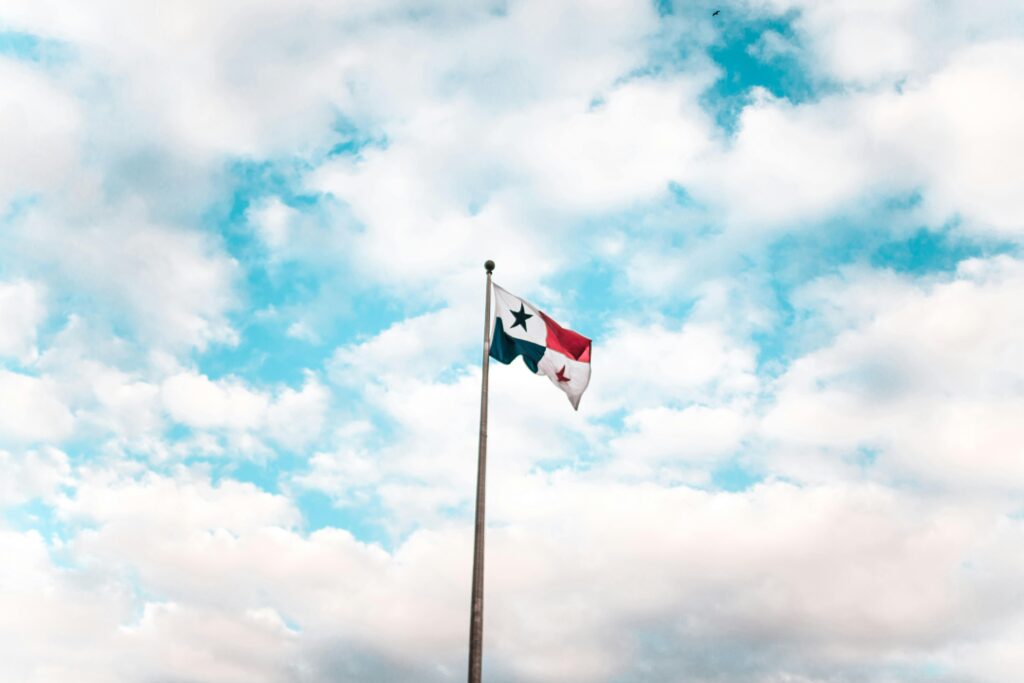
Panamanian coffee culture is often associated with rarity, precision, and high value. Unlike larger producing countries where coffee is defined by scale or routine consumption, Panama’s reputation is built on small production volumes and exceptional quality. Coffee in Panama is less about everyday drinking and more about how it performs at the highest end of […]
Costa Rican Coffee, Simply Explained
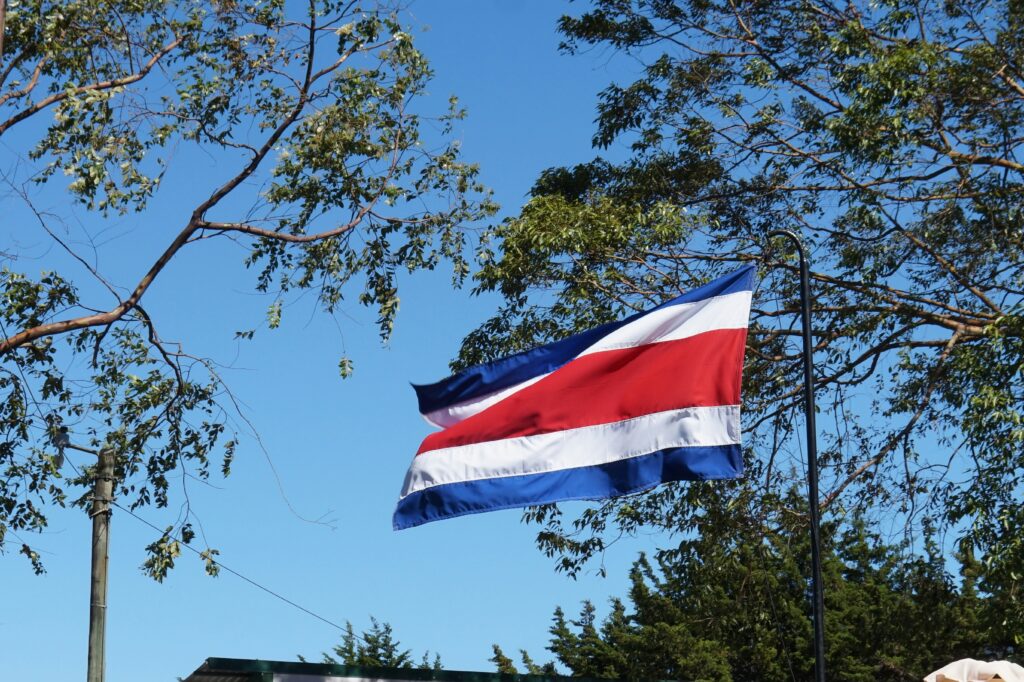
Costa Rican coffee culture is often associated with quality, structure and consistency. That reputation is not accidental. It is the result of deliberate regulation, controlled production and a long-standing focus on arabica coffee. Unlike countries where coffee culture is shaped primarily by consumption habits, Costa Rica’s identity is strongly influenced by how coffee is grown […]
Colombian Coffee, Simply Explained
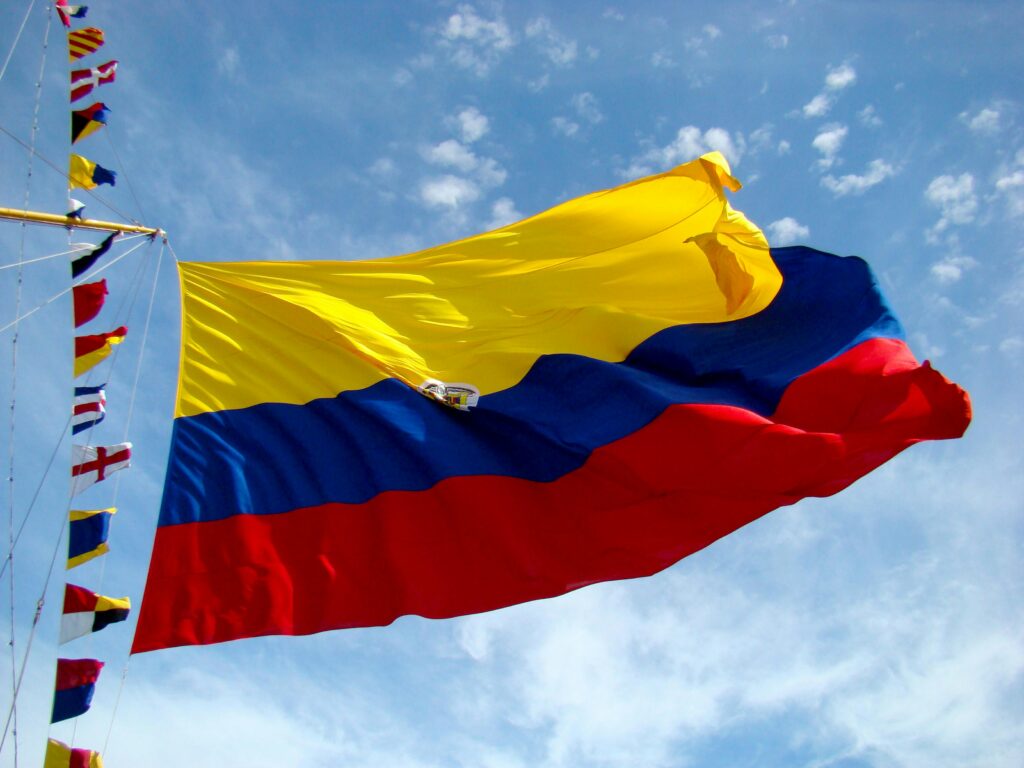
Colombian coffee culture is closely tied to identity, agriculture and global reputation. Unlike countries where coffee is primarily consumed as a social ritual, in Colombia coffee is both a national product and a source of pride. It is grown across large parts of the country, consumed daily and recognised internationally as a benchmark for quality. […]