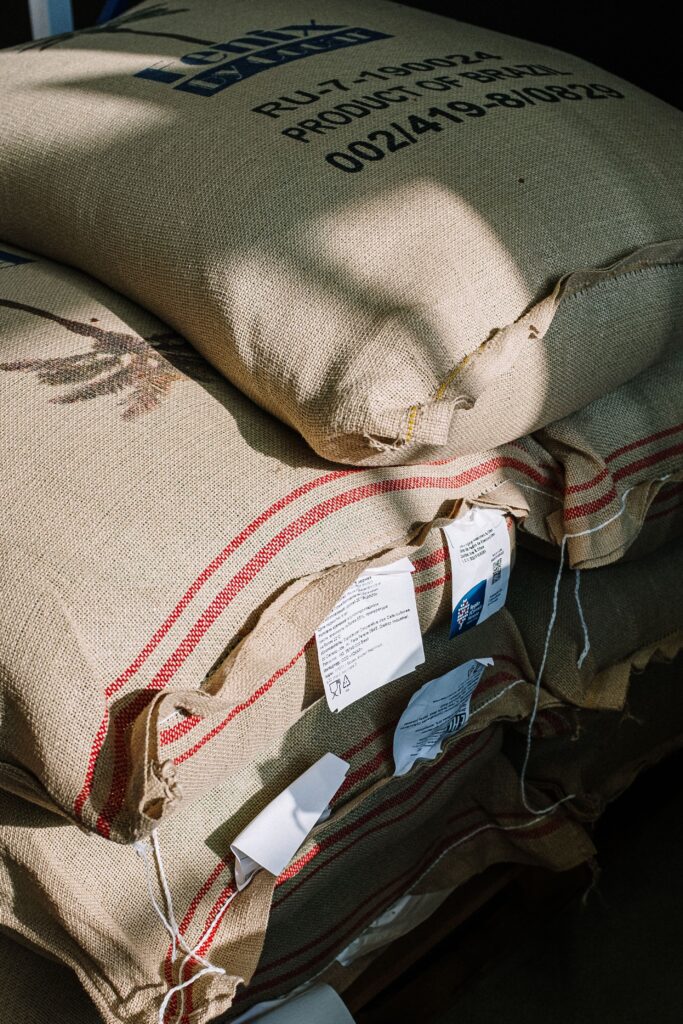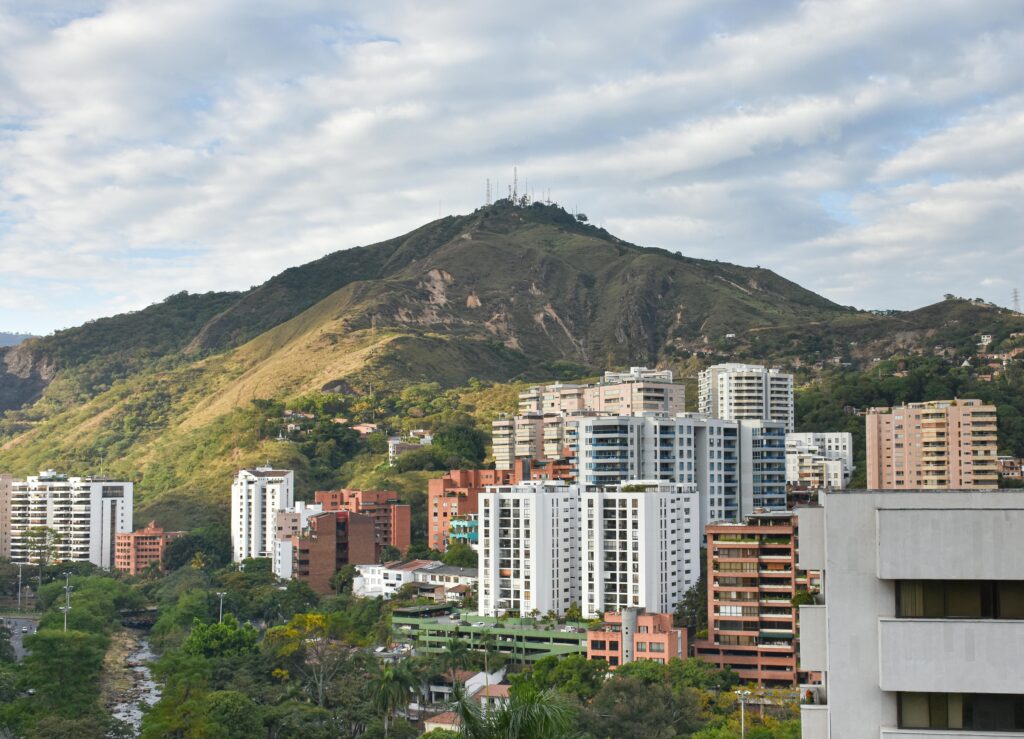
Colombian coffee culture is closely tied to identity, agriculture and global reputation. Unlike countries where coffee is primarily consumed as a social ritual, in Colombia coffee is both a national product and a source of pride.
It is grown across large parts of the country, consumed daily and recognised internationally as a benchmark for quality.
Colombia’s relationship with coffee is shaped as much by production as by consumption.
Colombia as a Global Coffee Producer
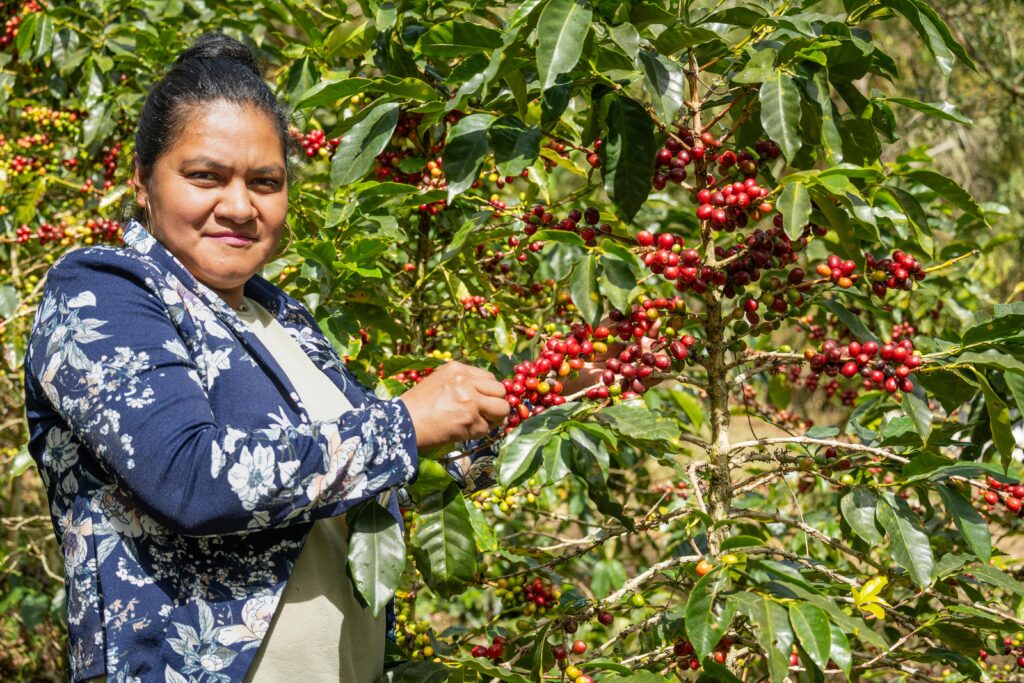
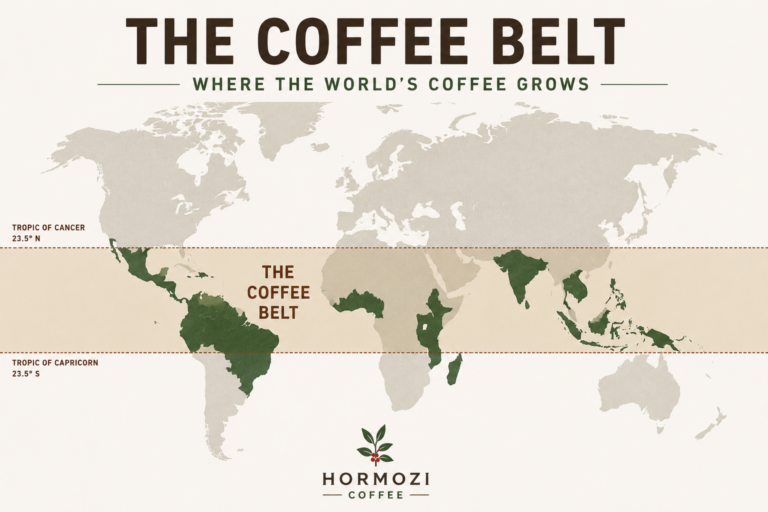
Colombia is one of the most recognised coffee-producing countries in the world.
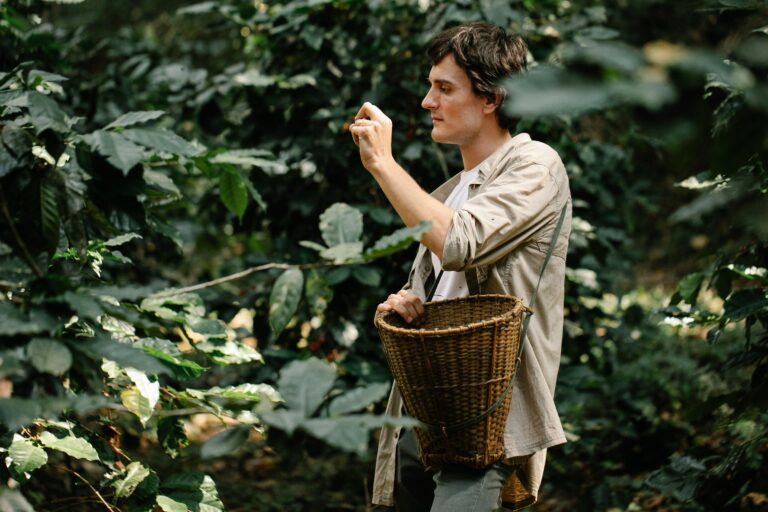
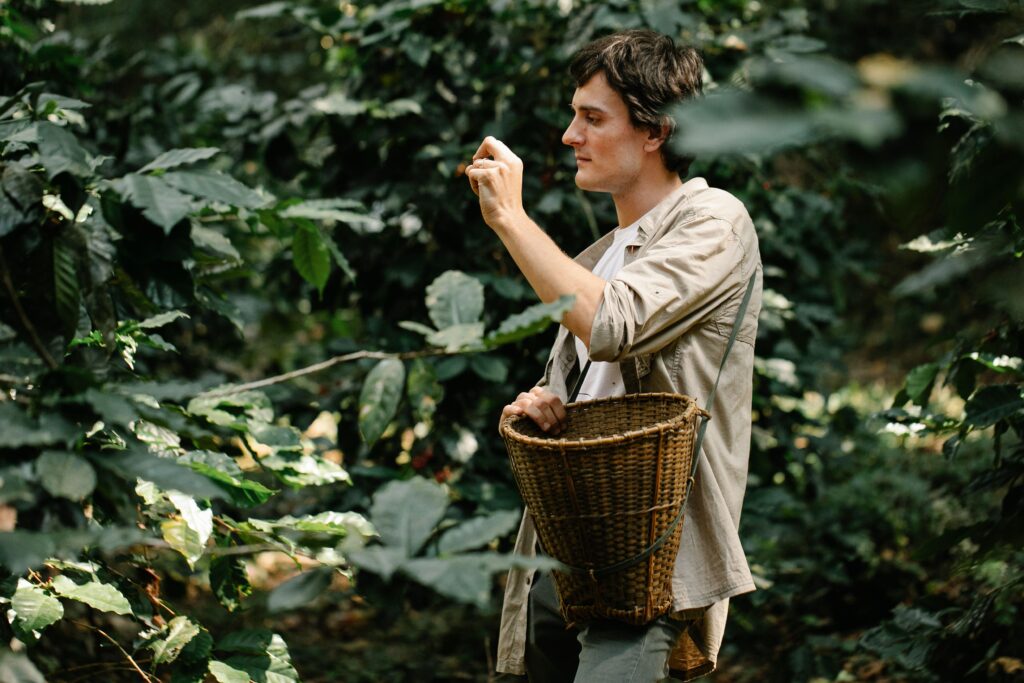
Coffee is grown primarily in mountainous regions where altitude, climate and soil conditions support arabica cultivation. Farms are typically smaller than those in Brazil, with many producers operating family-run plots.
This structure has influenced how Colombian coffee is perceived. It is often associated with care, consistency and traceability rather than large-scale industrial production.
Colombia has also invested heavily in quality control and branding, helping establish a strong global identity for its coffee.
Coffee as Part of Daily Life

Coffee is consumed throughout the day in Colombia, though often in a lighter and more diluted form than many people expect.
In homes and workplaces, coffee is part of routine rather than ceremony. It is served frequently, often in small cups, and integrated into daily schedules.
The drink is familiar and accessible rather than highly specialised.
Click here to try Colombia El Refugio
The Tinto
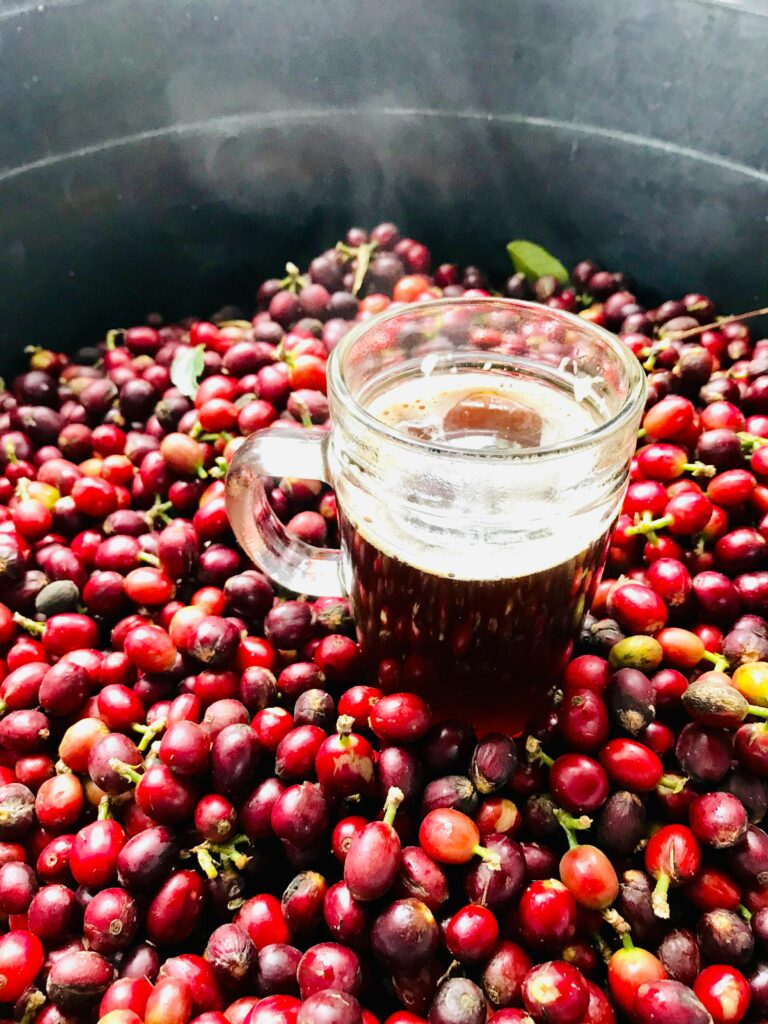
A defining feature of Colombian coffee culture is the tinto.
A tinto is a small cup of black coffee, typically made using simple brewing methods and often lightly sweetened. It is widely available from street vendors, homes and small cafés.
Tintos are inexpensive and designed for frequent consumption. They are less intense than espresso but still provide a quick, functional coffee experience.
For many Colombians, tinto is the standard way coffee is consumed outside the home.
Click here to try Colombia Excelso
Brewing Methods
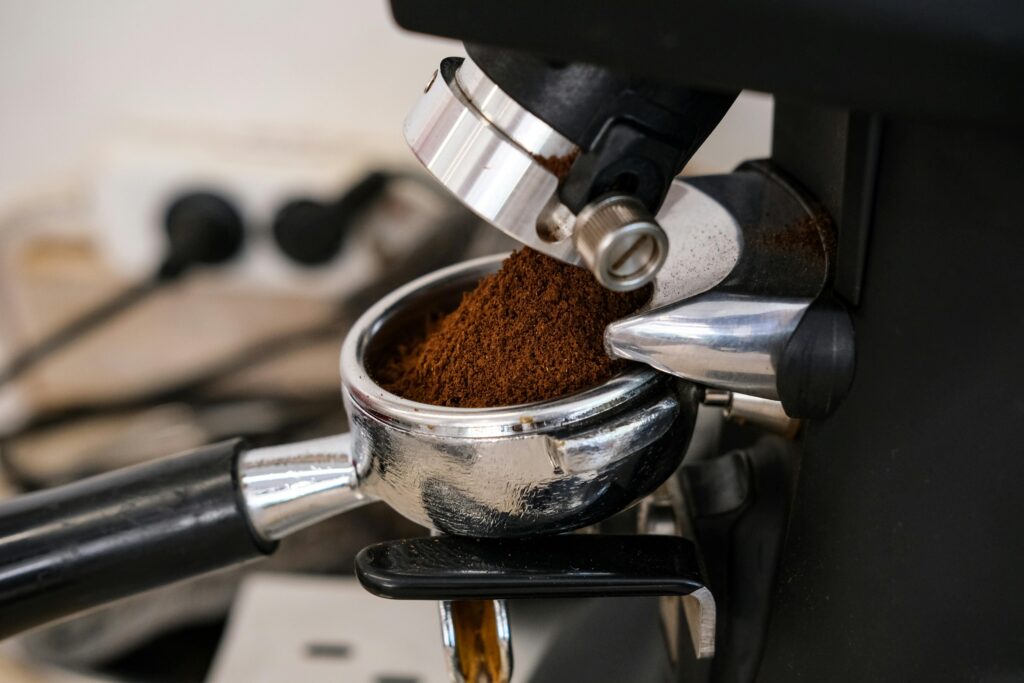
Traditional brewing methods in Colombia tend to be simple and practical.
Cloth filters and basic drip systems are commonly used, producing a clean and balanced cup. The focus is on reliability and ease rather than precision.
While espresso is available in urban cafés, it is not the dominant format in everyday consumption.
This reflects a broader preference for approachable, repeatable coffee rather than highly technical preparation.
Flavour Profile and Expectations
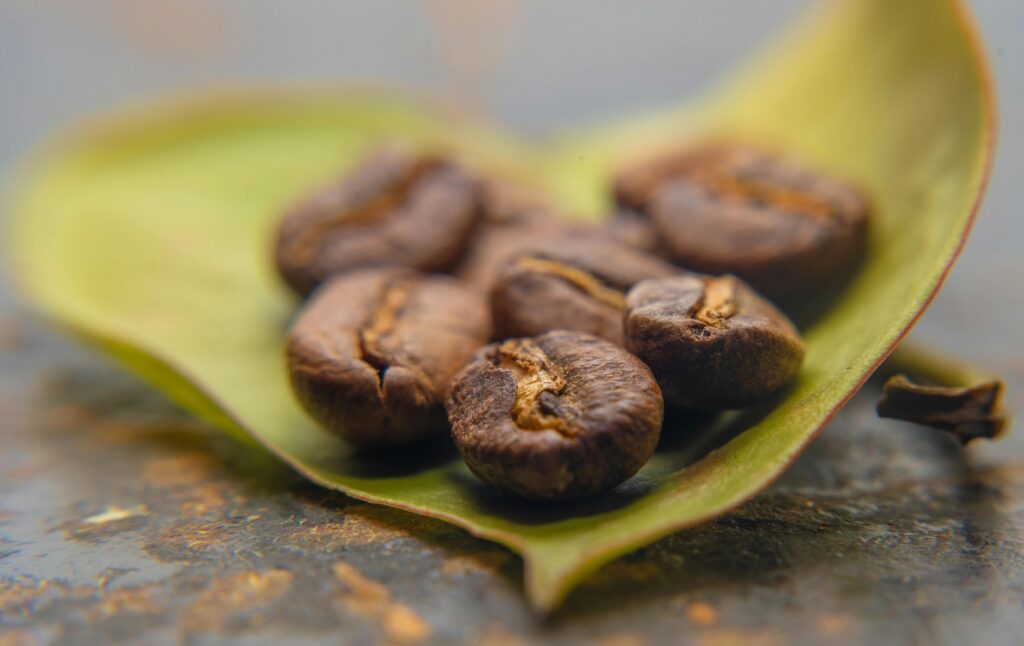
Colombian coffees are typically associated with:
• Medium acidity
• Balanced body
• Caramel and chocolate notes
• Mild fruit sweetness
These characteristics have contributed to Colombia’s global reputation for producing reliable, well-structured coffees.
They are often used both as single origins and as components in blends, where balance is important.
Click here to try Colombia Sugar Cane Decaf
Coffee and National Identity
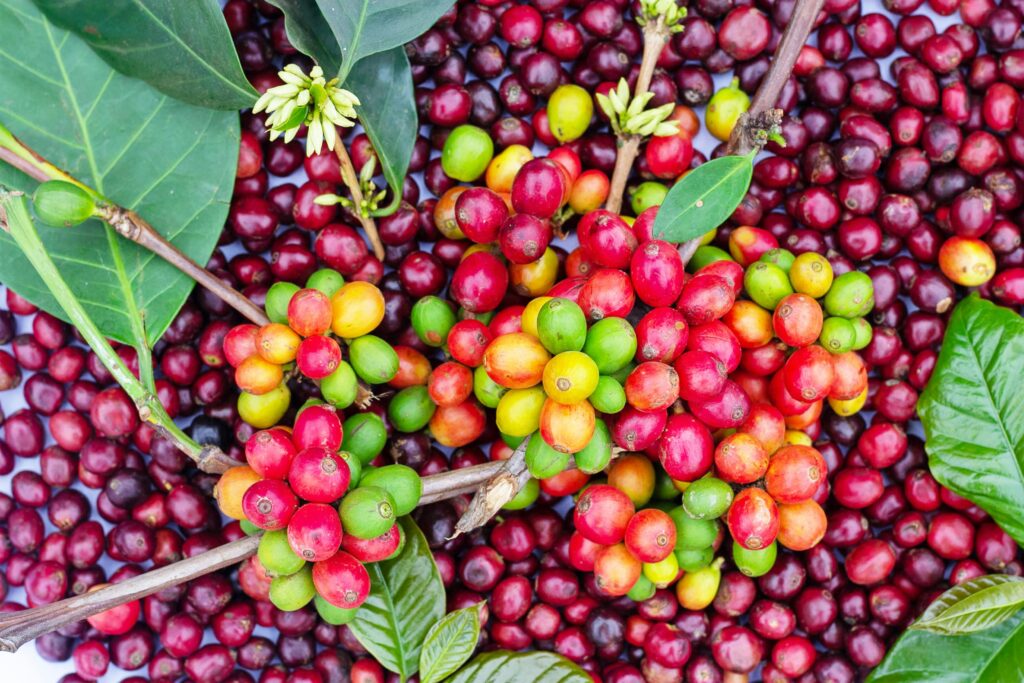
Coffee plays a significant role in Colombian identity.
It is one of the country’s most important exports and a major source of employment. Many regions are economically and culturally connected to coffee production.
This connection has been reinforced through national branding and promotion, positioning Colombian coffee as a symbol of quality and heritage.
Unlike some countries where coffee is primarily imported and consumed, Colombia’s culture is closely linked to its production.
Click here to try Colombia Supremo
Modern Coffee Culture

Cities such as Bogotá and Medellín have seen growth in specialty coffee shops.
These cafés focus more on origin distinction, brewing methods and quality presentation. They represent a shift towards higher-end consumption within the domestic market.
However, traditional formats like tinto remain widely consumed and culturally dominant.
Modern specialty coffee exists alongside established habits rather than replacing them.
Click here to try Colombia Rodrigo Oyuela
How Colombian Coffee Is Best Understood

Colombian coffee culture is built on production, routine and national identity.
Coffee is grown across the country, consumed daily and recognised globally for its balance and consistency. The tinto reflects this approach: simple, accessible and widely available.
While specialty coffee continues to grow in urban areas, everyday consumption remains straightforward.
Colombia demonstrates how coffee can be both a global product and a local staple, shaped by agriculture, economy and daily life.