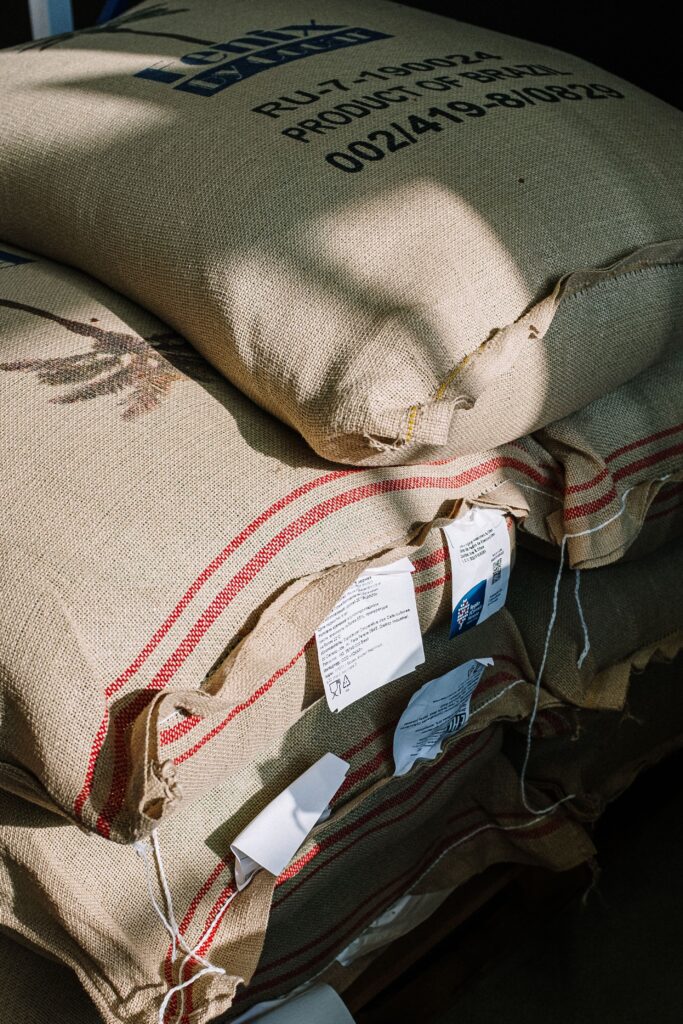
If you’ve ever wondered where coffee grows, the answer isn’t simply “hot countries.”
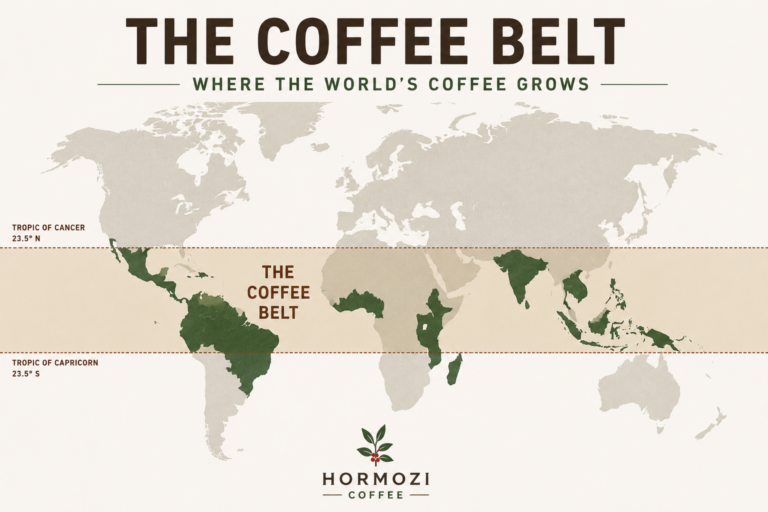
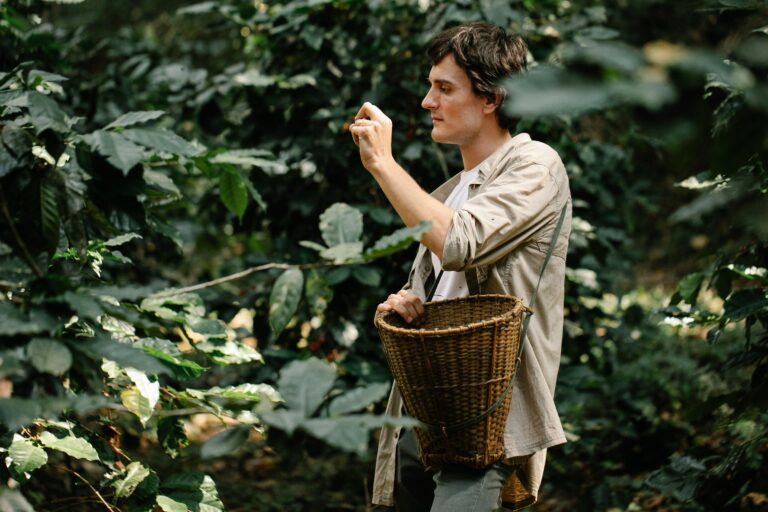
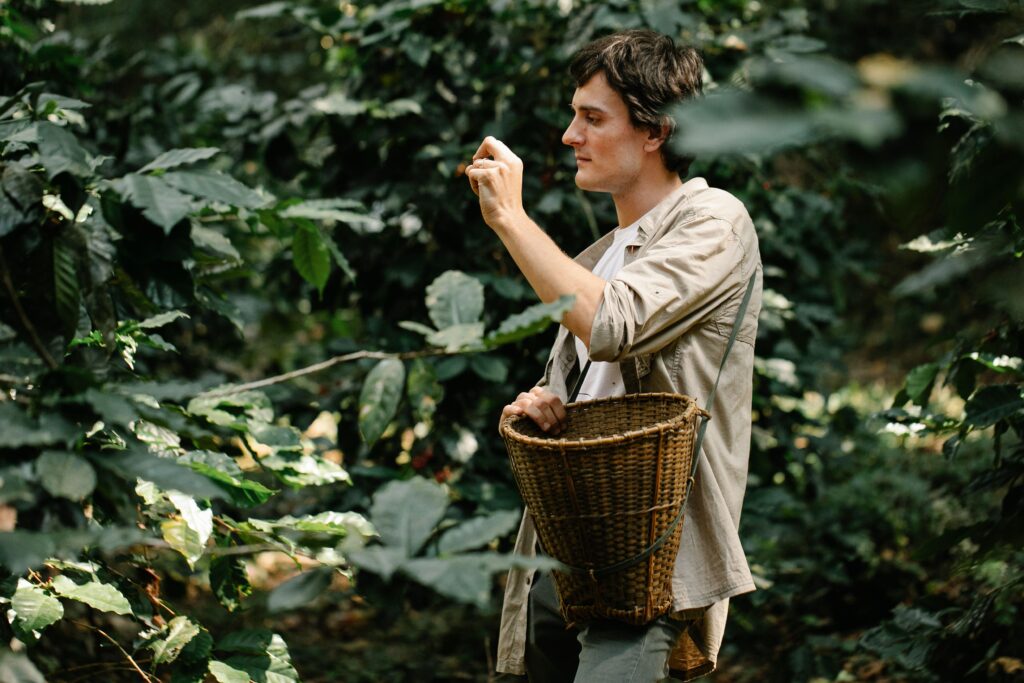
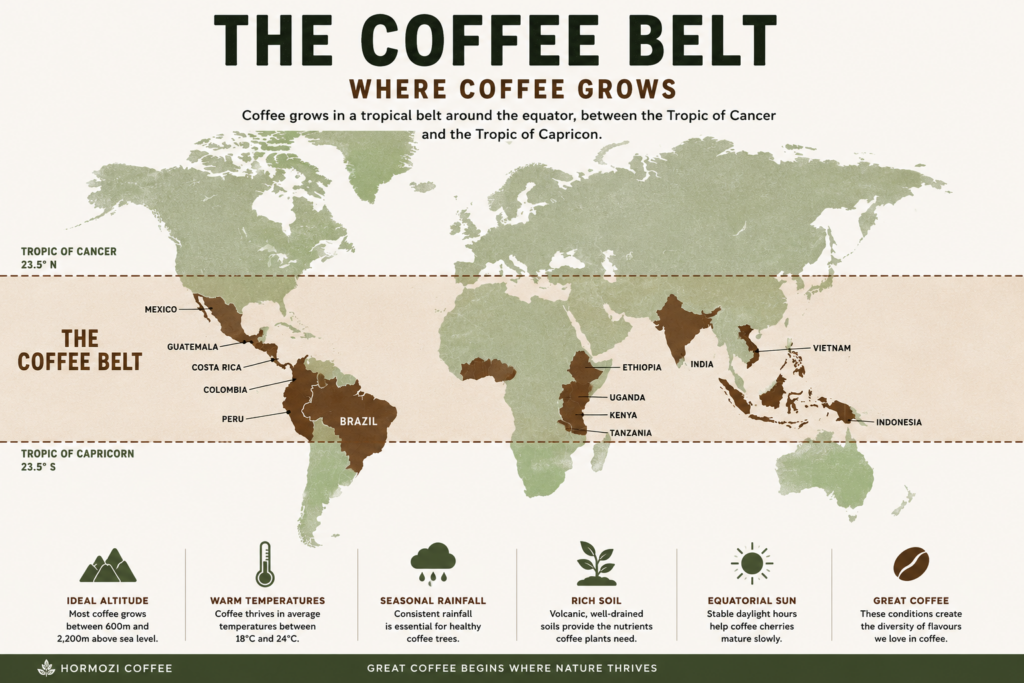
Coffee is grown in a relatively narrow band around the equator known as the Coffee Belt. Although dozens of countries produce coffee, only certain regions provide the combination of altitude, climate and rainfall needed to grow exceptional beans.
From the mountains of Colombia to the highlands of Ethiopia and the plantations of Brazil, every coffee-growing region has its own unique conditions. Those conditions influence not only how much coffee is produced but also how it tastes in your cup.
Understanding where coffee grows helps explain why coffees from different countries can have completely different flavours, even when roasted in exactly the same way.
Where Does Coffee Grow?
The vast majority of the world’s coffee grows between the Tropic of Cancer and the Tropic of Capricorn.
This region is known as the Coffee Belt because it wraps around the middle of the Earth like a belt.
Countries inside this zone benefit from:
- Warm temperatures throughout the year
- Seasonal rainfall
- Long growing seasons
- Rich soils
- Mountainous terrain
- Stable daylight hours
While coffee can technically grow outside this region, the Coffee Belt provides the conditions needed for consistent, high-quality production.
Why Altitude Matters
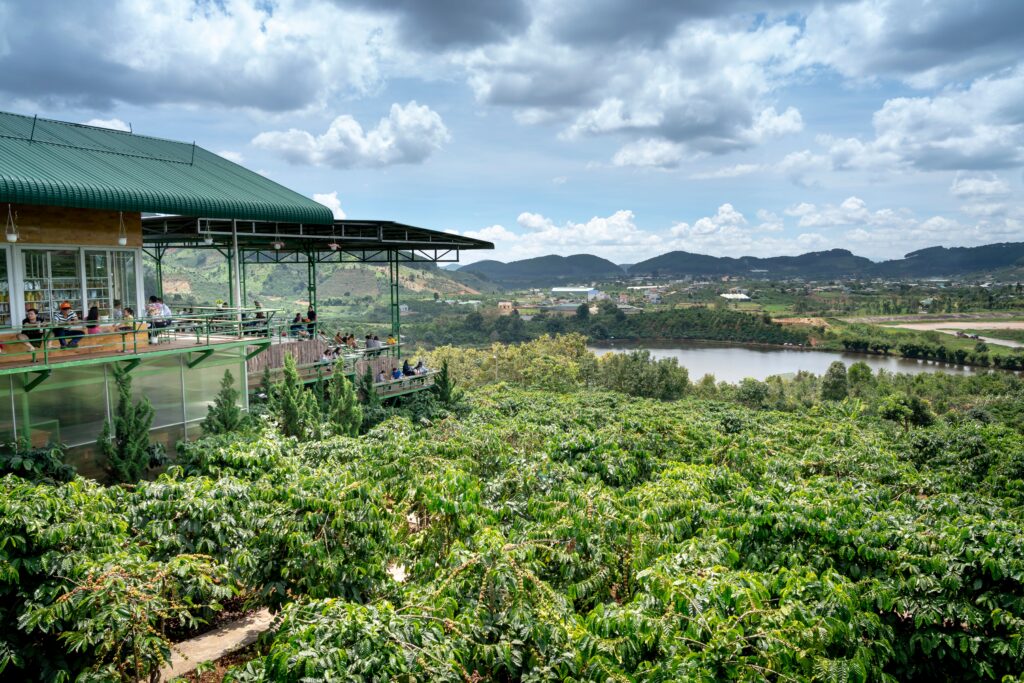
Altitude is one of the biggest factors affecting coffee quality.
Higher elevations are generally cooler, which slows the development of the coffee cherries.
This longer growing period allows the beans to develop greater complexity, often producing sweeter, brighter and more distinctive flavours.
Many of the world’s finest Arabica coffees are grown between 1,000 and 2,200 metres above sea level.
Lower-altitude farms can still produce excellent coffee, but the flavour profile is often different.
Brazil: The World’s Largest Coffee Producer
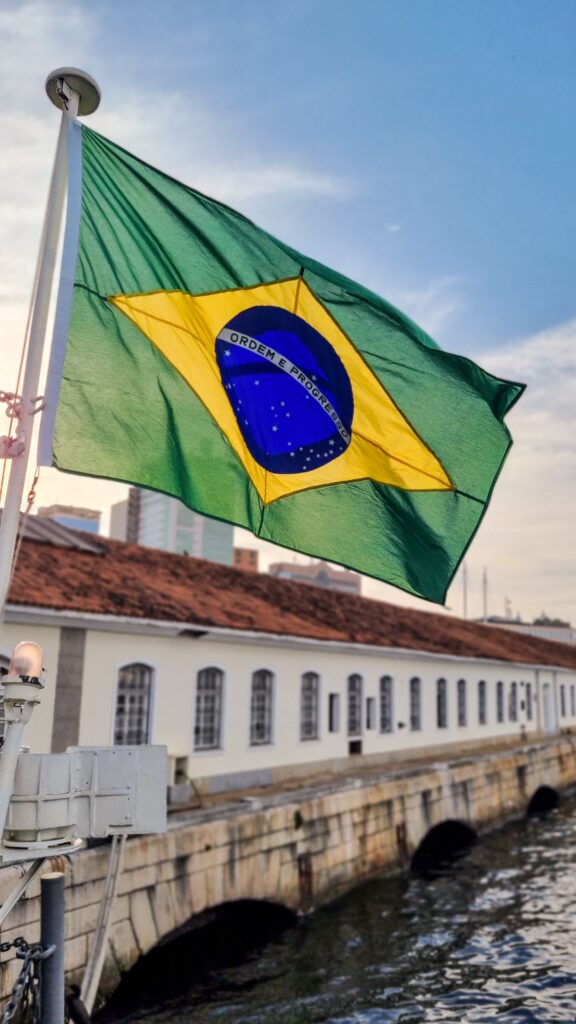
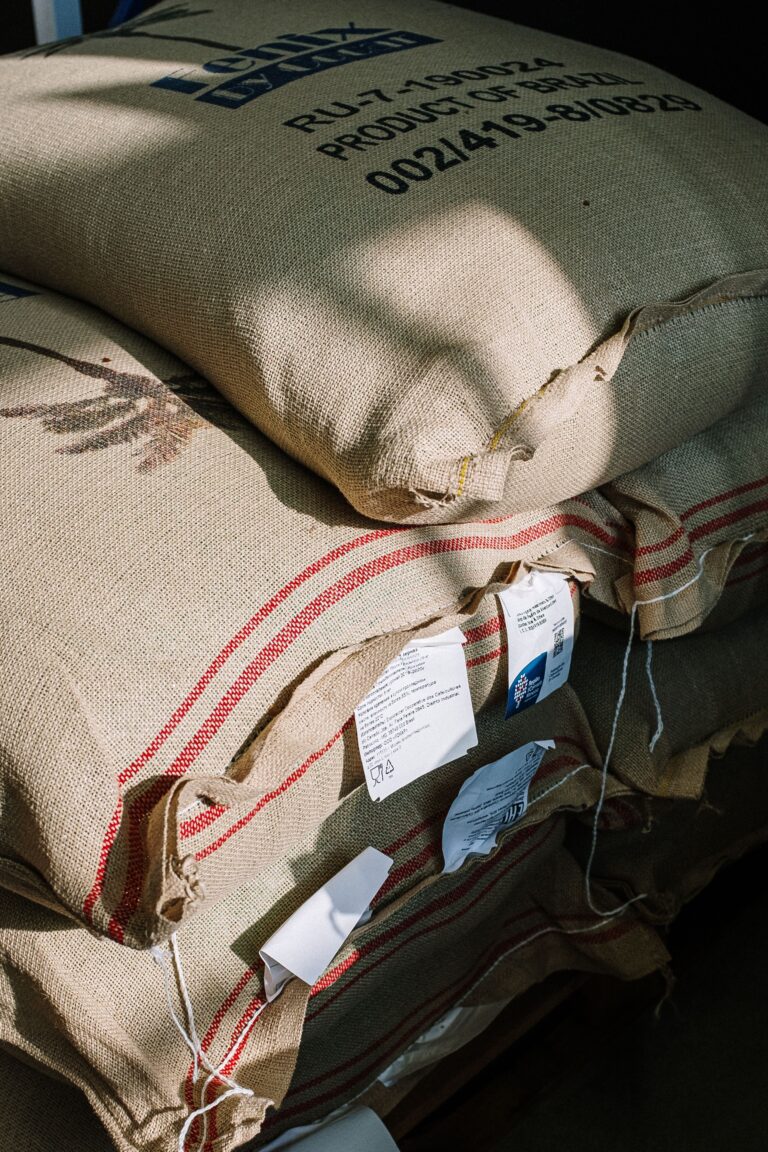
Brazil has been the world’s largest coffee producer for well over a century.
Unlike many coffee-producing countries, much of Brazil’s coffee is grown on relatively large farms using mechanical harvesting where the landscape allows.
Brazilian coffees are often known for flavours such as:
- Chocolate
- Hazelnut
- Caramel
- Brown sugar
- Mild fruit
These approachable flavour profiles make Brazilian coffee a popular foundation for espresso blends around the world.
Ethiopia: The Birthplace of Coffee
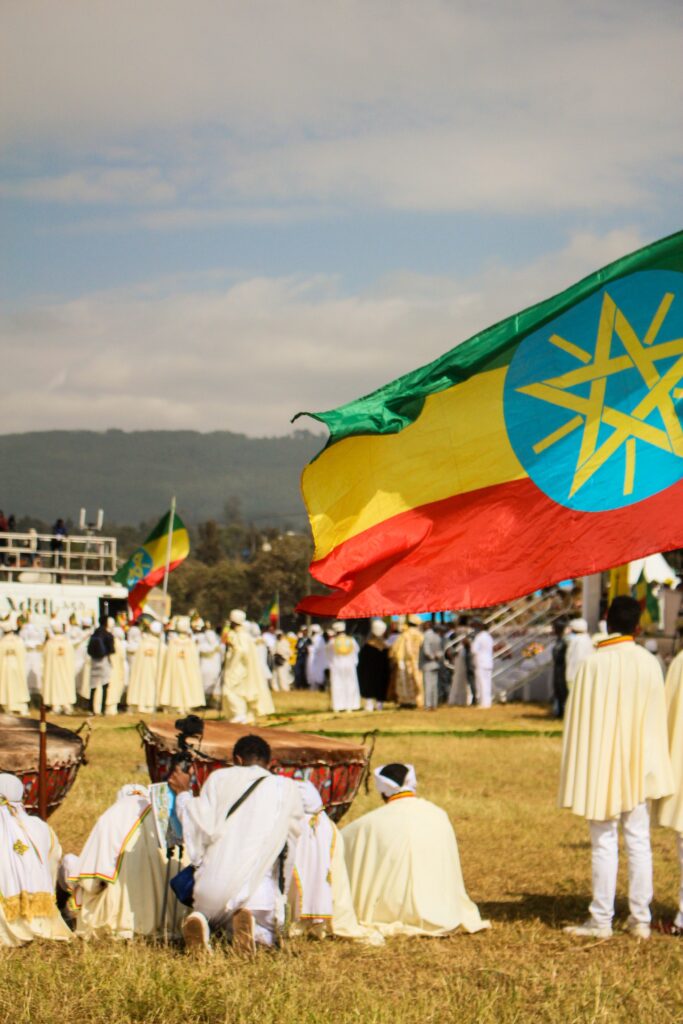
Many historians consider Ethiopia to be the birthplace of Arabica coffee.
Today, Ethiopian coffees remain some of the most distinctive available.
Depending on the region and processing method, they often display notes of:
- Blueberry
- Peach
- Jasmine
- Bergamot
- Citrus
- Tea-like florals
The country’s high elevations and remarkable genetic diversity contribute to an enormous range of flavour profiles.
Colombia: Consistency and Balance
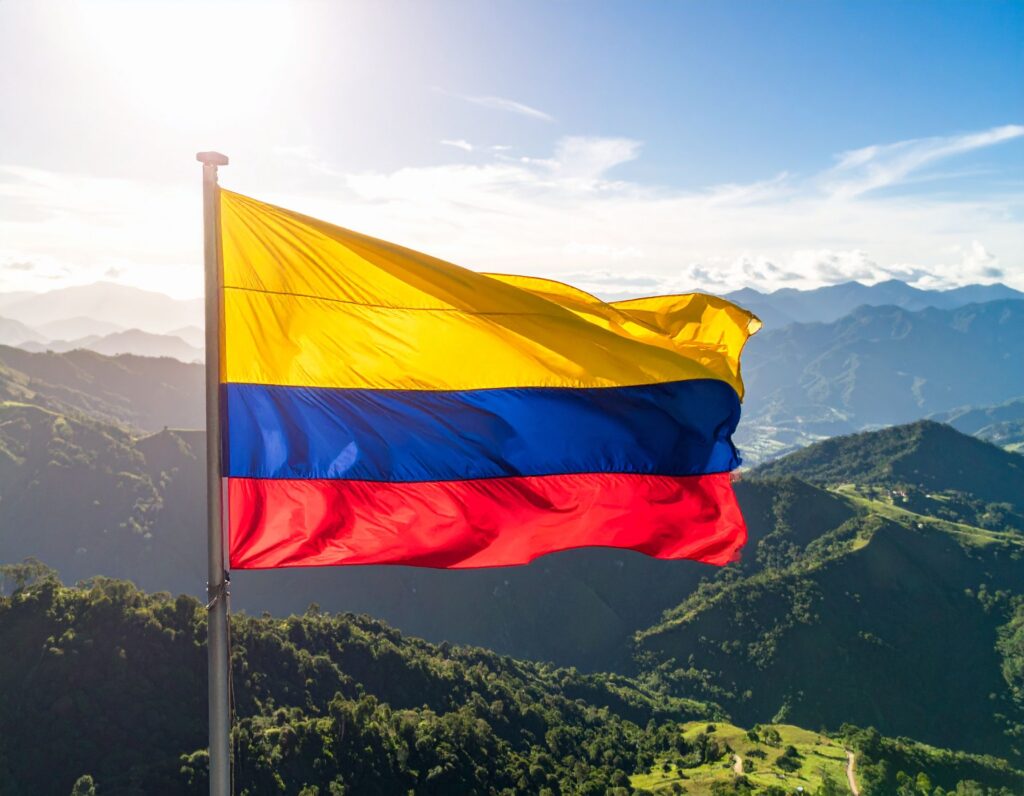
Colombia has earned a reputation for producing consistently high-quality coffee.
Its mountainous terrain allows coffee to be grown across many different elevations and microclimates.
Colombian coffees are frequently described as:
- Sweet
- Balanced
- Fruity
- Caramel-like
- Nutty
- Easy to drink
For many coffee drinkers, Colombia represents a great introduction to speciality coffee.
Vietnam: A Robusta Powerhouse
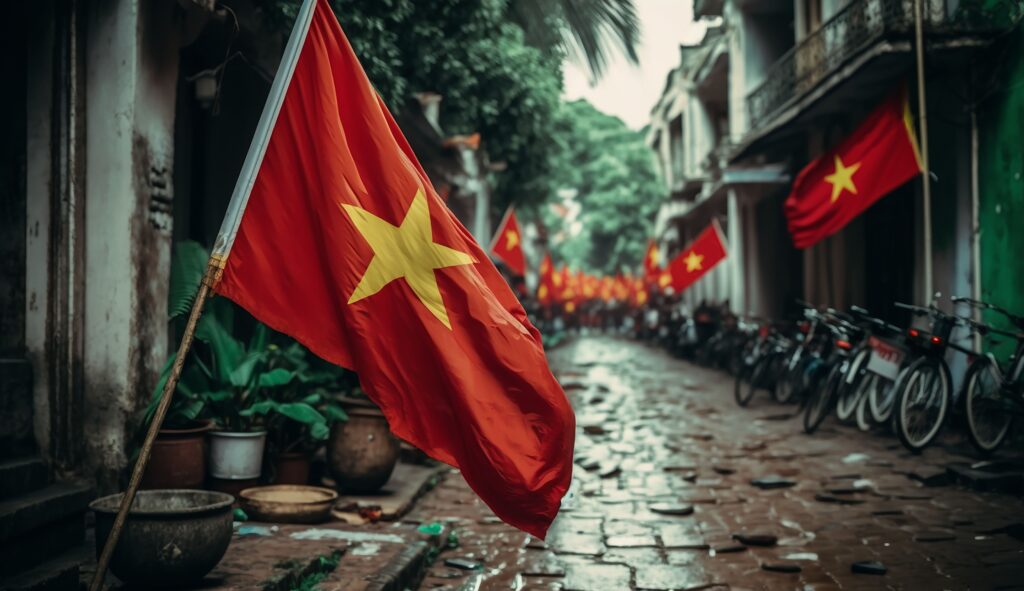
Vietnam is one of the world’s largest coffee producers by volume.
Much of its production focuses on Robusta coffee, a species known for higher caffeine content, stronger body and earthy flavours.
Robusta plays an important role in many espresso blends, adding crema, body and intensity.
It also forms the backbone of much of the world’s instant coffee production.
Why Climate Shapes Flavour

Climate influences coffee long before roasting begins.
Temperature, rainfall, sunlight and humidity all affect how the cherries develop.
Even neighbouring farms can produce noticeably different coffees if they sit at different elevations or receive different amounts of rainfall.
Coffee professionals often refer to these combined environmental influences as terroir, a term also used in the wine industry.
It is one of the reasons coffee remains such a fascinating product to explore.
Coffee Growing Regions Continue to Change
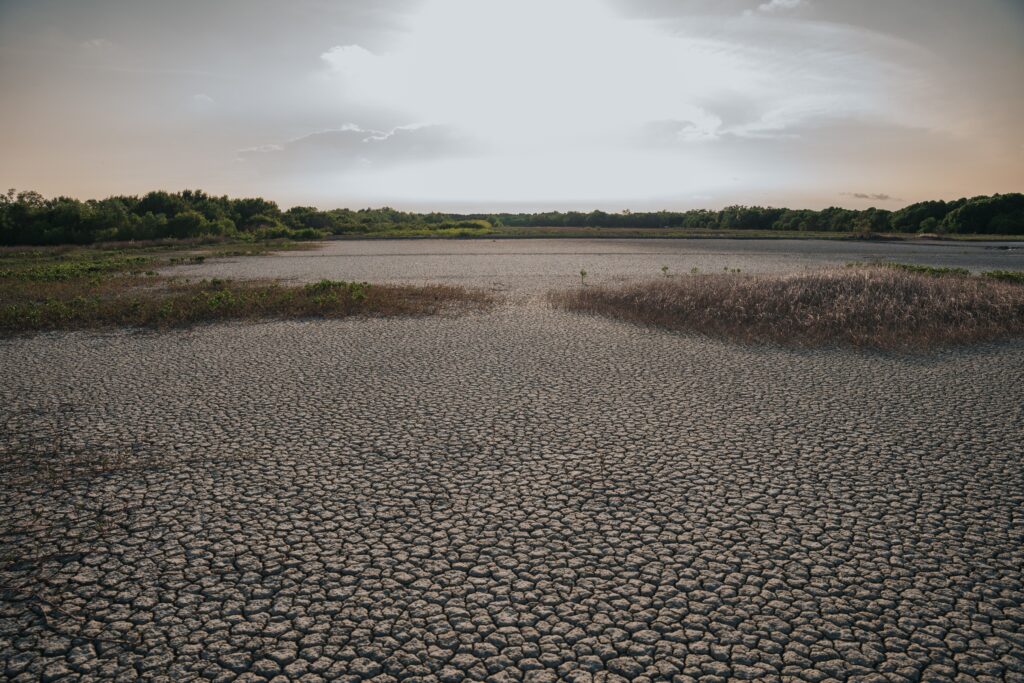
Although the Coffee Belt has existed for centuries, the areas best suited to growing coffee are gradually shifting.
Warmer temperatures are encouraging some farmers to plant at higher elevations where conditions remain cooler.
Others are introducing shade trees, experimenting with more resilient coffee varieties or adapting farming practices to changing weather patterns.
The future of coffee will almost certainly involve continued innovation alongside traditional farming knowledge.
Does the Country Always Determine the Taste?
Not entirely.
Country of origin is important, but it is only one piece of the puzzle.
The final flavour also depends on:
- Variety
- Altitude
- Soil
- Processing method
- Roasting
- Brewing technique
That is why two coffees from the same country can taste completely different.
Understanding where coffee grows provides useful context, but every coffee has its own story.
Final Thoughts
Learning where coffee grows gives a greater appreciation for everything that happens before the beans reach your grinder.
The Coffee Belt contains some of the most remarkable farming regions on Earth, each contributing unique flavours and characteristics to the coffees we enjoy every day.
Whether your favourite coffee comes from Brazil, Ethiopia, Colombia or another producing nation, every cup reflects the climate, landscape and expertise of the people who grew it.
At Hormozi Coffee, we carefully source coffees from outstanding growing regions around the world before roasting every order fresh here in the UK, allowing the unique character of each origin to shine through.
If you enjoyed this, be sure to check out some of our previous articles such as “Why Is Coffee Getting More Expensive?”