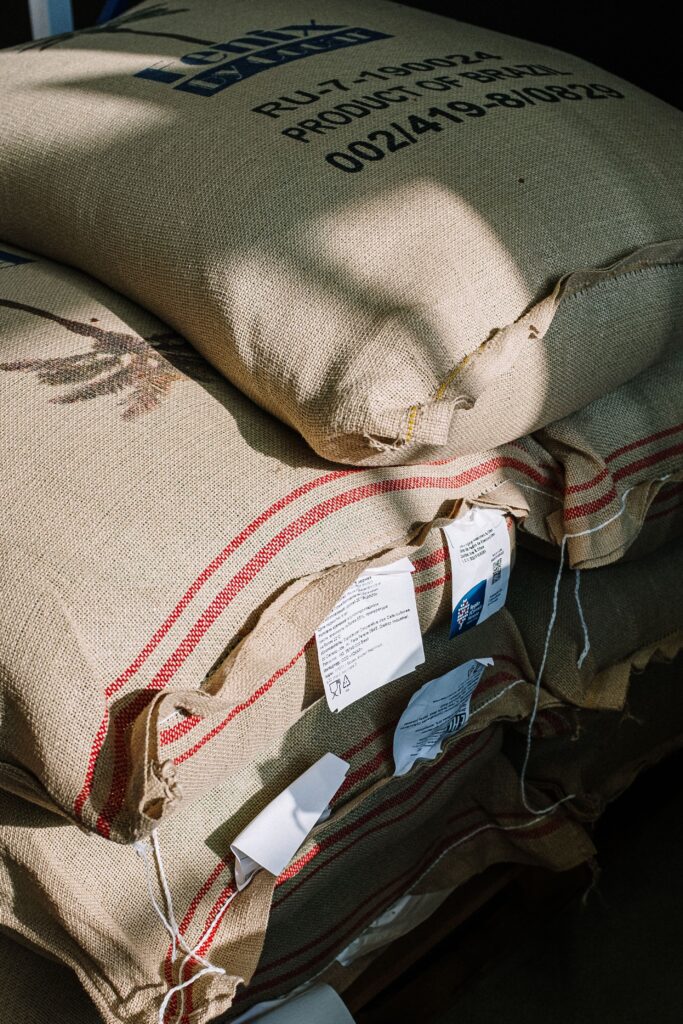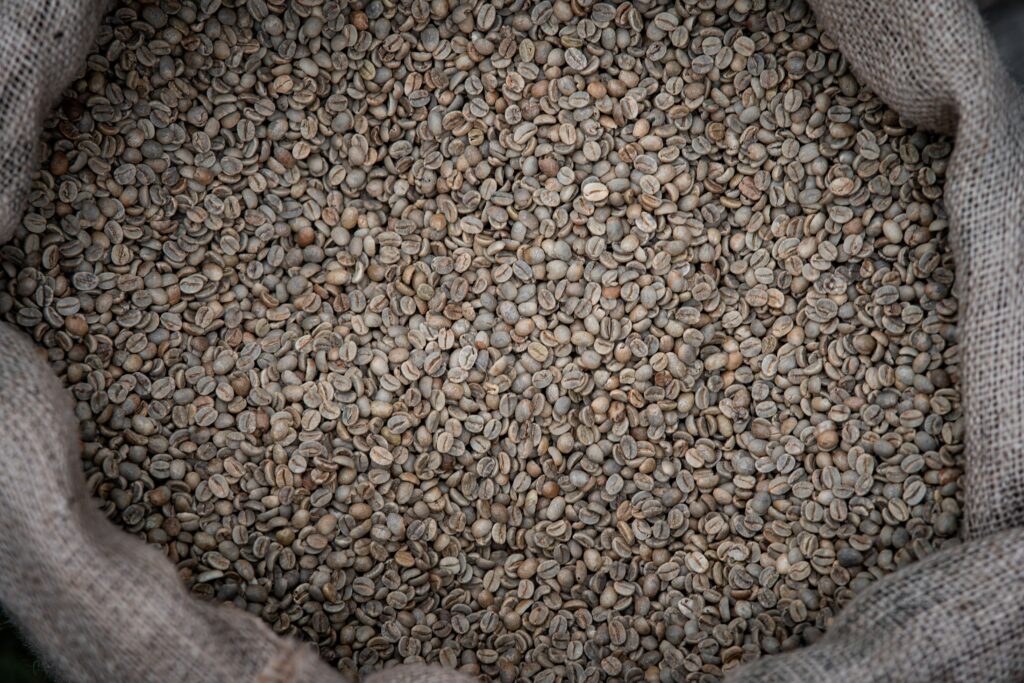
If you have asked yourself why is coffee getting more expensive, you are definitely not alone.
Over the last few years, coffee prices have risen across supermarkets, cafés and independent roasters alike. While inflation has certainly played a part, it’s only one piece of a much bigger puzzle.
As a coffee roaster, we’ve seen first-hand just how much the market has changed. Conversations with importers that once centred around flavour profiles and exciting new harvests now often include discussions about droughts, shipping delays, labour shortages and unpredictable harvests.
The good news is that coffee isn’t disappearing. But producing great coffee is becoming more challenging—and that affects everyone from farmers to the person making their first cup of the morning.
Let’s look at why.
Coffee Begins Life on a Farm
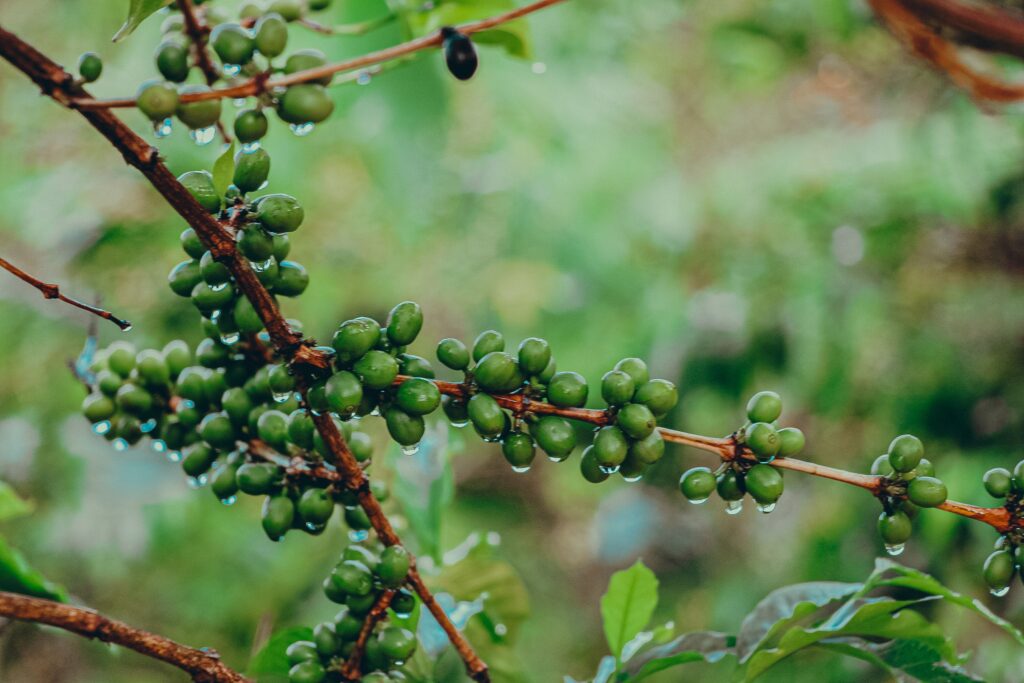
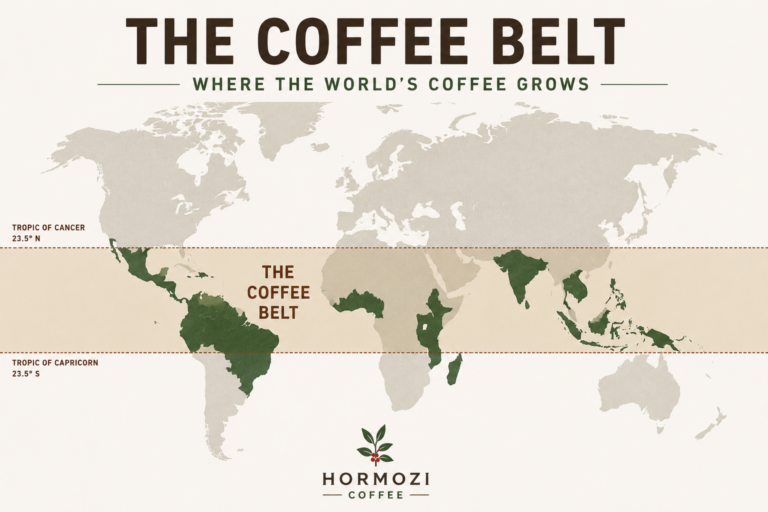
It’s easy to think of coffee as just another supermarket product, but every bean starts its journey on a coffee farm, often thousands of miles away.
Unlike manufactured goods, coffee is an agricultural crop. That means every harvest depends on weather, soil, rainfall and the health of the coffee trees.
If any part of that equation changes, so does the amount of coffee available.
Unlike factories, farmers can’t simply switch on another production line if demand increases. A newly planted coffee tree can take three to five years before producing a commercially viable crop, making coffee one of the slower agricultural industries to respond to shortages.
That delay means poor harvests can continue to influence prices for several years.
Climate Change Is Making Coffee Farming Harder
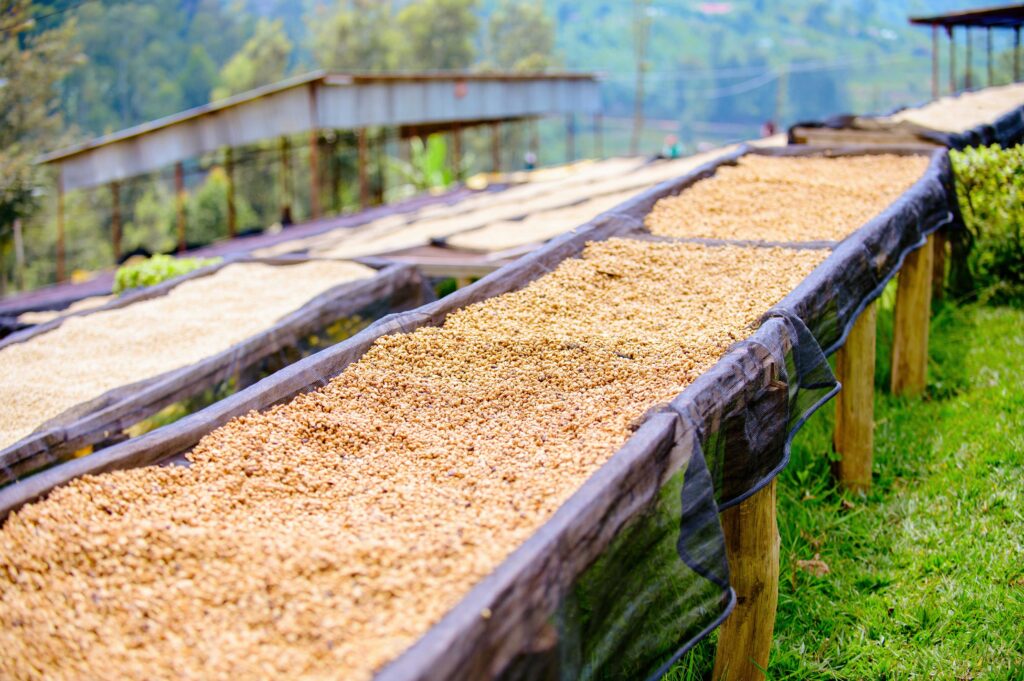
Another reason why coffee is getting more expensive is climate change.
Arabica coffee, the variety responsible for many of the smooth, complex coffees enjoyed around the world, thrives within a relatively narrow range of temperatures. Too hot, too cold, too wet or too dry, and yields begin to suffer.
Farmers are increasingly facing:
- prolonged droughts
- heavier rainfall
- irregular flowering seasons
- stronger storms
- unexpected frosts in some regions
- increasing pressure from pests and diseases
When harvests become smaller, there is naturally less coffee available for exporters and roasters to buy.
We’ll explore this topic in much greater detail in our upcoming guide to How Climate Change Is Affecting Coffee Farms.
Coffee Is More Popular Than Ever
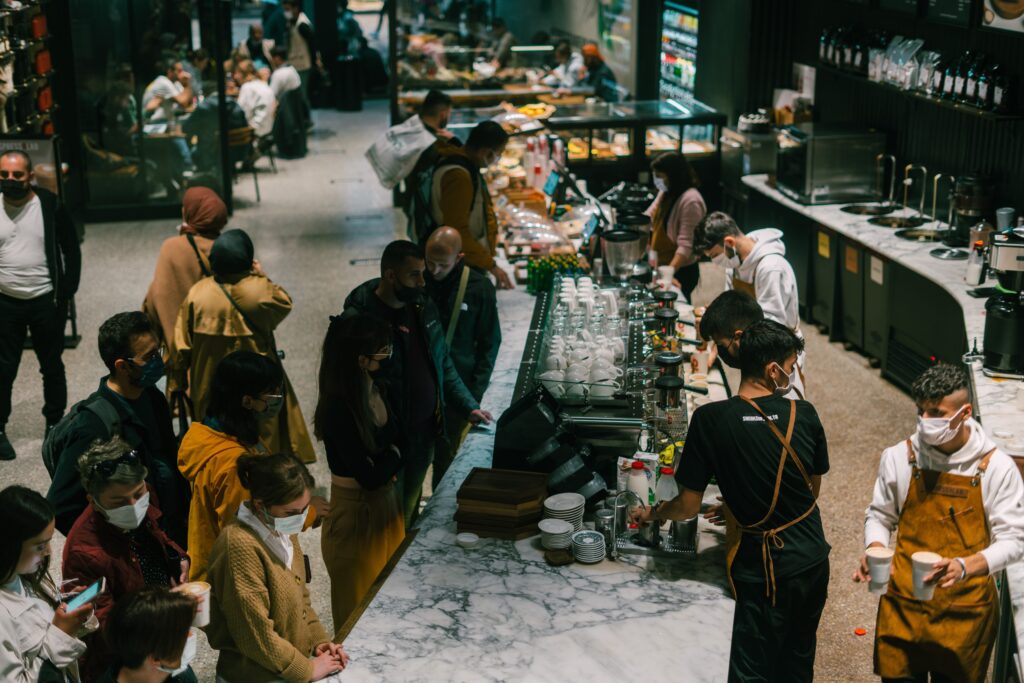
While production has become more difficult, demand hasn’t slowed down.
Coffee is now one of the world’s most widely consumed drinks, with millions of cups enjoyed every single day.
Speciality coffee has also grown enormously over the last decade. More people are investing in home espresso machines, cafetières, AeroPresses and pour-over brewers, creating demand for higher-quality beans than ever before.
Simply put, more people want great coffee than ever before.
When demand grows faster than supply, prices tend to rise.
Shipping Costs Matter More Than You Might Think
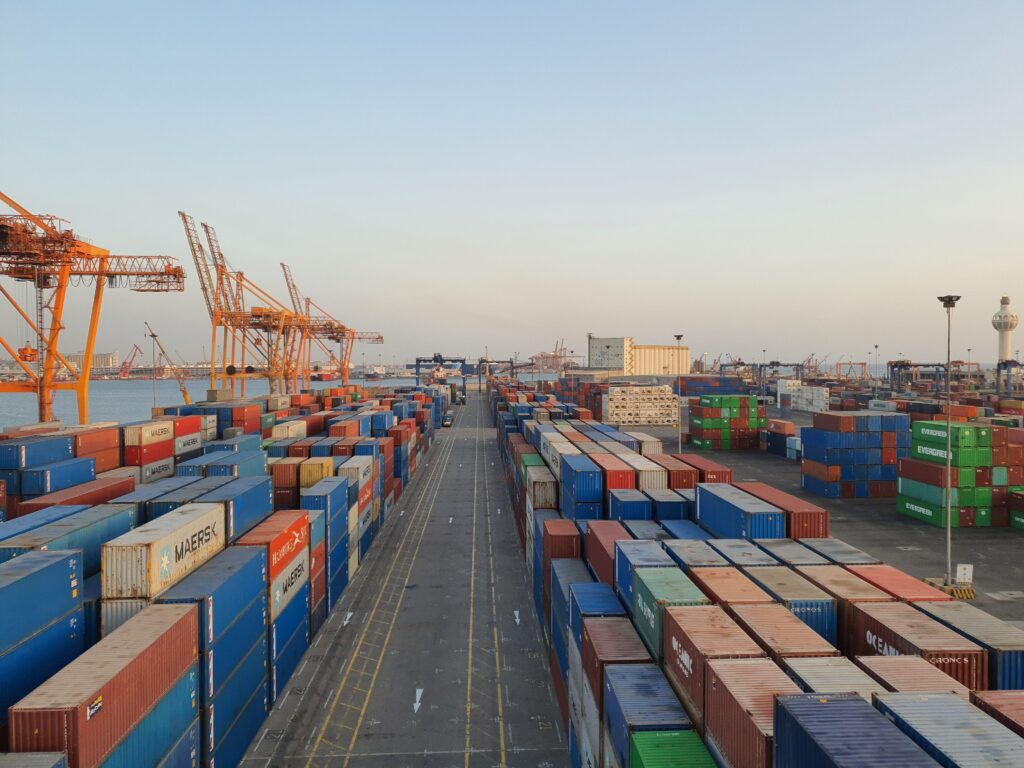
Shipping is another important reason why coffee is getting more expensive, even when harvests are strong.
A typical journey might look something like this:
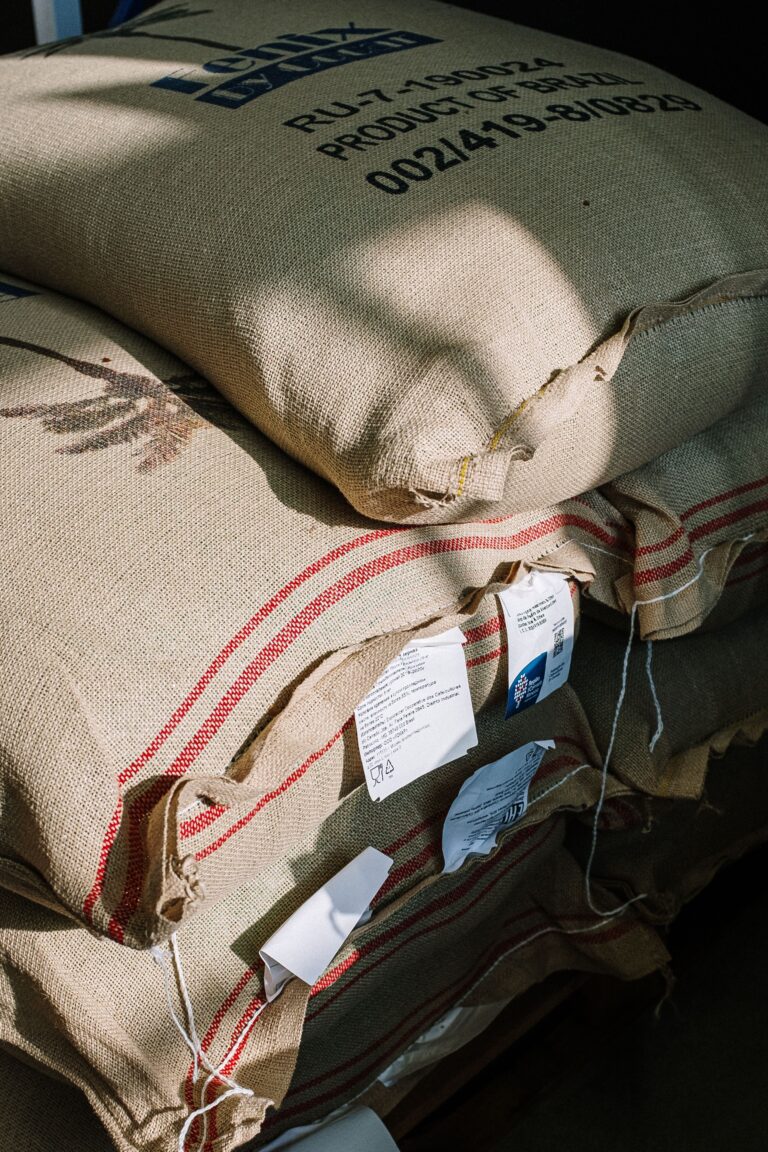
Coffee farm → Local processing mill → Export warehouse → Shipping container → Port → UK importer → Coffee roaster → You
Every step has a cost attached.
Global shipping rates increased dramatically during and after the COVID-19 pandemic, and although freight prices have eased from their highest levels, transport remains significantly more expensive than it was just a few years ago.
Coffee also has to be stored correctly throughout its journey to protect quality, adding further handling and warehousing costs.
Energy Costs Affect Roasters Too
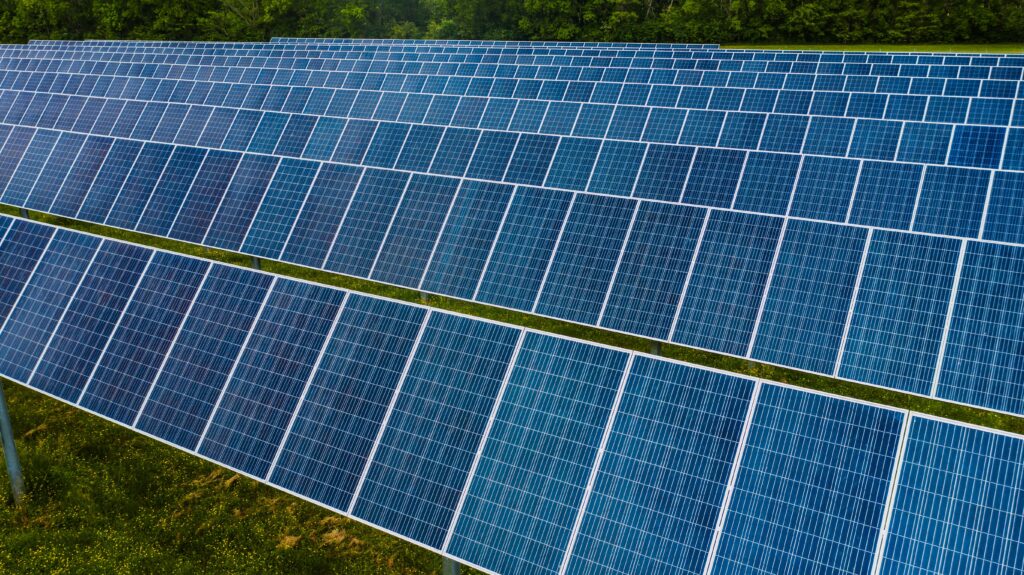
Roasting coffee requires a considerable amount of energy.
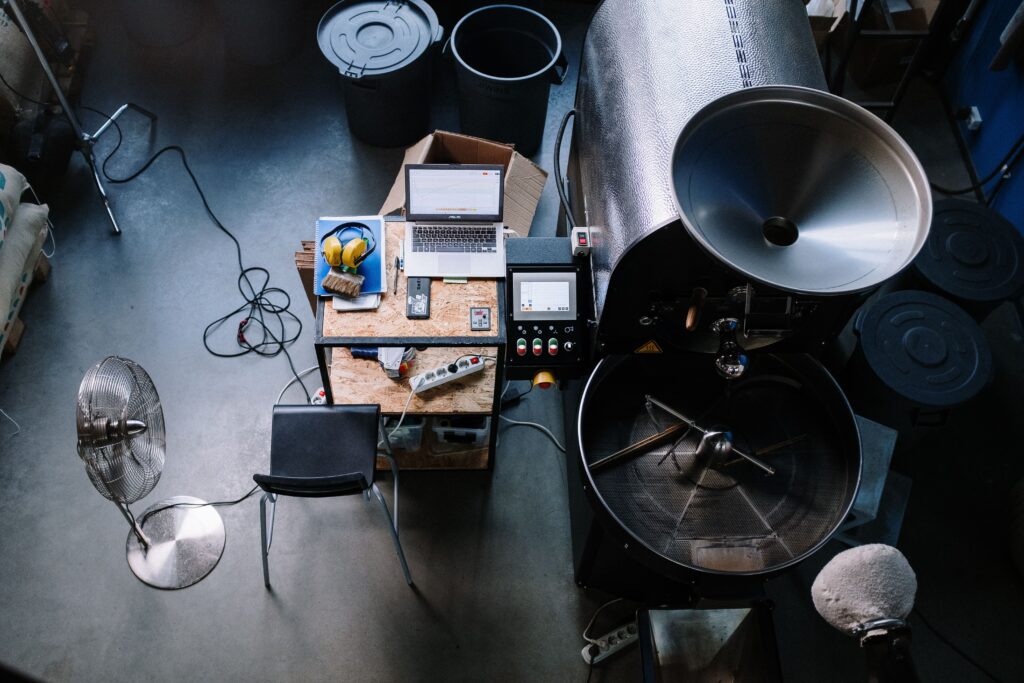
Commercial roasting machines operate at high temperatures, while production facilities also consume electricity for grinders, packaging equipment, compressors, lighting and extraction systems.
Like many UK businesses, coffee roasters have experienced substantial increases in energy prices over recent years.
Those costs don’t only affect roasting.
Warehouses, delivery companies, packaging manufacturers and cafés all face the same pressures, meaning rising energy prices ripple throughout the entire coffee supply chain.
Labour Costs Continue to Rise
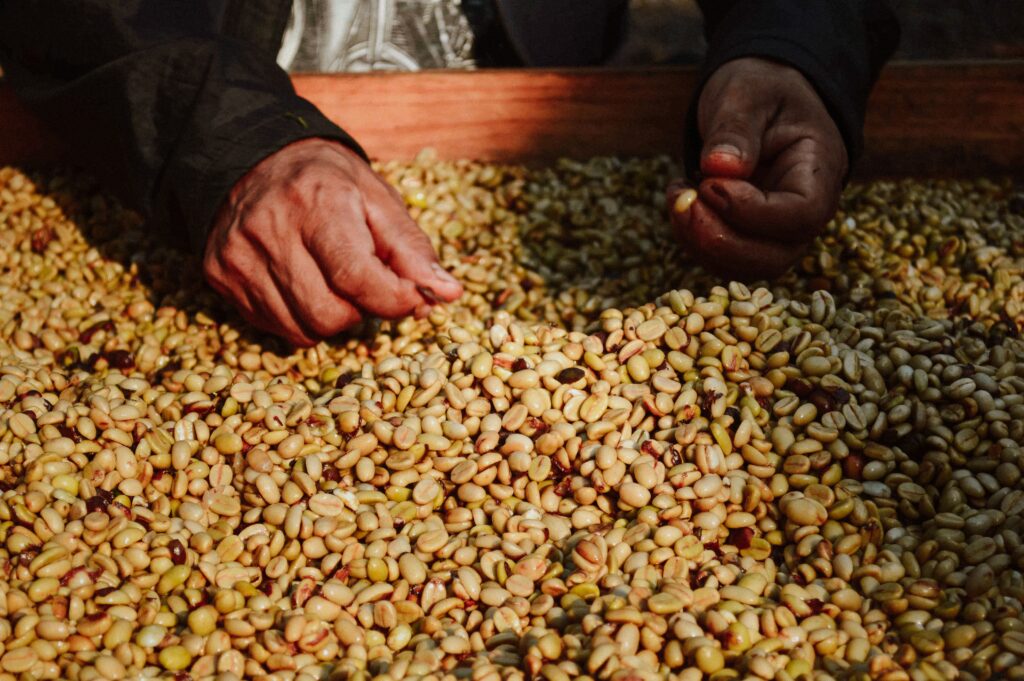
Labour is another factor behind why coffee is getting more expensive across the industry.
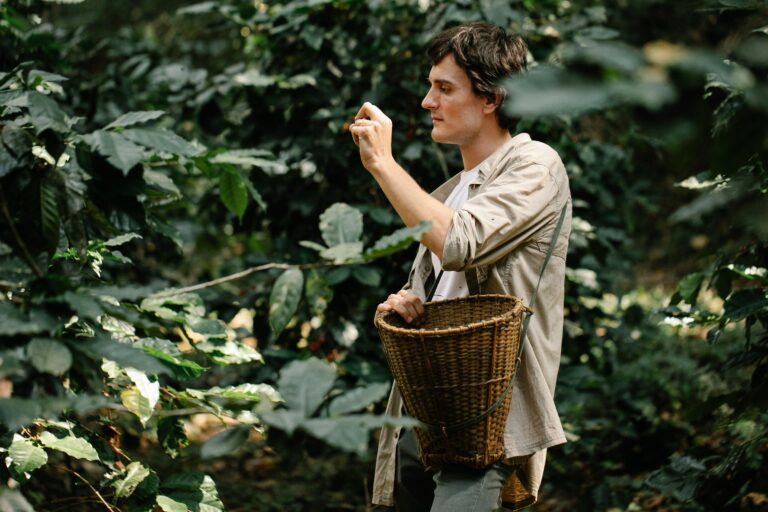
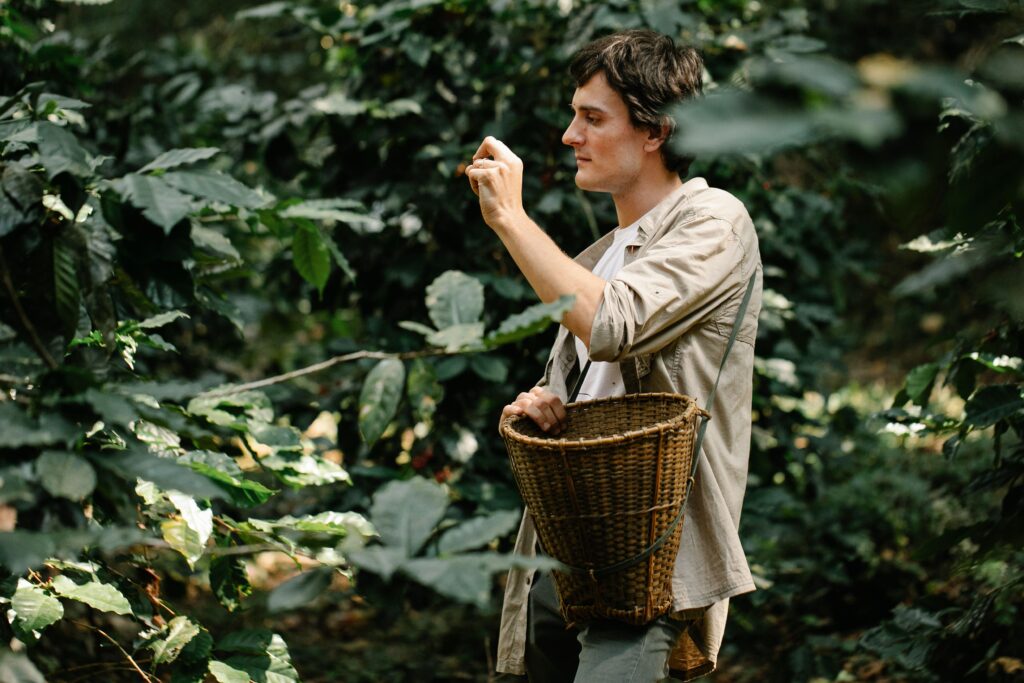
Many of the world’s finest coffees are still harvested by hand because only ripe cherries should be picked.
That means farmers often return to the same tree several times during harvest season.
After picking, the coffee may be:
- sorted
- washed
- fermented
- dried
- milled
- graded
- bagged
Each stage requires skilled workers.
Once the coffee reaches the UK, more people become involved in roasting, quality control, packing, dispatch and delivery.
Fair wages are an important part of building a sustainable coffee industry, but they also contribute to the final price you pay.
Exchange Rates Can Change Prices Overnight
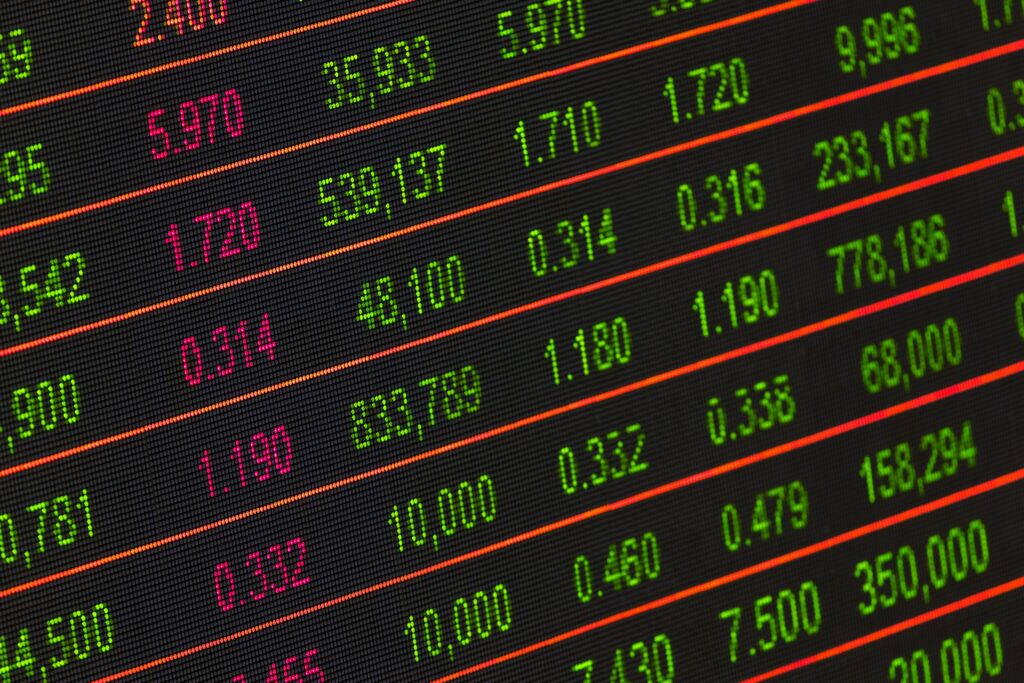
Coffee is traded internationally, typically in US dollars.
That means UK coffee businesses don’t just have to consider the cost of the beans themselves.
They also have to monitor currency exchange rates.
If the pound weakens against the dollar, imported coffee instantly becomes more expensive, even if nothing has changed on the farm.
Currency movements are one of those hidden factors that most consumers never see but can have a significant impact on pricing.
Why Isn’t All Coffee Expensive?
This is a question we’re asked surprisingly often.
If coffee prices are rising, why can some supermarkets still sell it so cheaply?
The answer usually comes down to the type of coffee being sold.
Cheaper coffee may involve:
- lower-grade beans
- larger-scale production
- older harvests
- different sourcing strategies
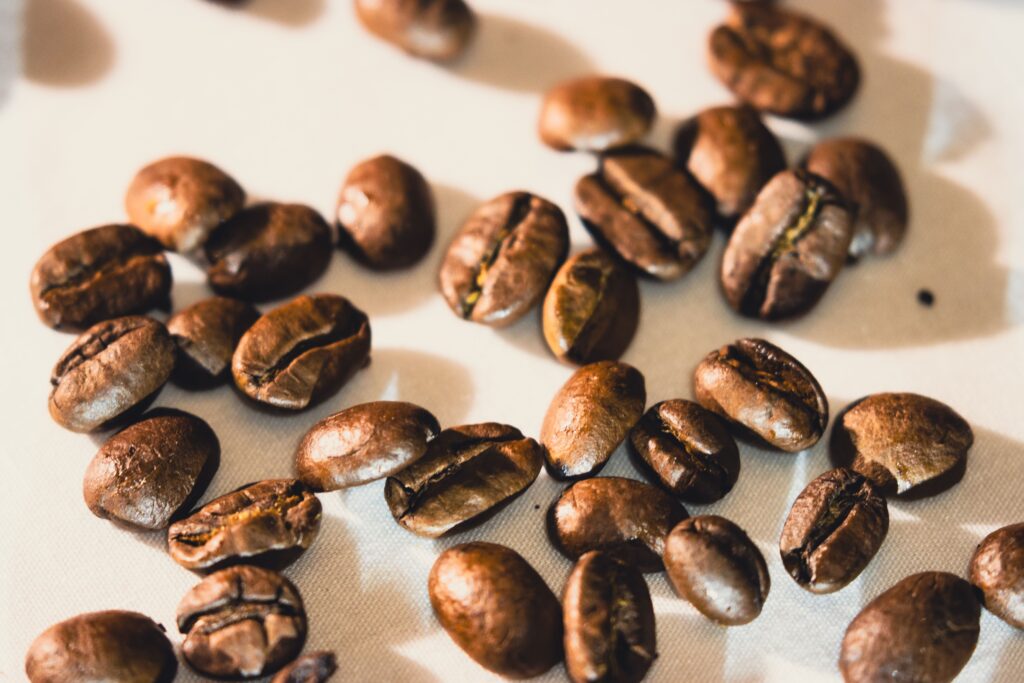
- darker roasting to create consistency
- tighter margins throughout the supply chain
That doesn’t automatically make it “bad” coffee—everyone has different tastes and budgets—but there is often a noticeable difference in flavour, freshness and traceability.
Freshly roasted speciality coffee typically focuses on quality first, with careful sourcing, smaller roasting batches and roasting dates clearly printed on every bag.
Are Coffee Roasters Making Huge Profits?
It’s a common assumption, but the reality is often quite different.
Independent coffee roasters generally operate on modest margins while juggling rising costs across almost every part of the business.
When green coffee prices increase sharply, many roasters absorb some of those costs before adjusting retail prices. No business wants to increase prices unnecessarily, especially when loyal customers are already feeling pressure from rising household bills.
For us, the priority has always been simple: continue sourcing coffees we’d genuinely enjoy drinking ourselves and roast every order as fresh as possible.
Is Coffee Going to Become a Luxury?

We don’t think so.
Coffee has faced countless challenges throughout its history, from crop diseases to political instability and changing consumer trends.
Farmers continue to adapt by planting more resilient coffee varieties, improving irrigation, introducing shade trees and investing in better farming practices.
Researchers are also developing new coffee plants capable of coping with changing climates while maintaining excellent cup quality.
Coffee may continue to become more expensive over time, but it’s also becoming more innovative.
What Does This Mean for Coffee Drinkers?

For most of us, coffee is a daily ritual.
Understanding where it comes from—and why it costs what it does—helps explain why quality coffee can never be produced as cheaply as many people expect.
Every bag represents years of work before it reaches your kitchen.
Someone planted those trees.
Someone cared for them through changing seasons.
Someone hand-picked the cherries.
Someone processed, dried, sorted, exported, imported, roasted and packed those beans.
When you buy freshly roasted coffee, you’re supporting an entire global chain of skilled people whose livelihoods depend on producing an incredible product.
Final Thoughts

So, why is coffee getting more expensive? There isn’t one simple answer. Climate change, shipping, labour, energy costs, packaging and global demand all play their part, creating pressure throughout the coffee supply chain.
Climate change, rising global demand, shipping costs, labour, energy prices and currency fluctuations all contribute to the final price of your morning brew.
Despite these challenges, there’s never been a better time to explore freshly roasted coffee. Quality, traceability and freshness can transform the way coffee tastes, and understanding the journey behind each cup makes it even more rewarding.
At Hormozi Coffee, we roast every order fresh here in the UK using carefully selected beans sourced from some of the world’s best coffee-growing regions. Whether you’re brewing espresso, filter, cafetière or pour-over, our goal remains the same as it has always been: roast great coffee and let the beans do the talking.
Further Reading
If you enjoyed this article, keep an eye out for the next guides in our sustainability series:
- How Climate Change Is Affecting Coffee Farms
- Where Coffee Grows: Understanding the Coffee Belt
- Coffee Leaf Rust Explained
- Can Coffee Farming Become More Sustainable?
- The Future of Coffee