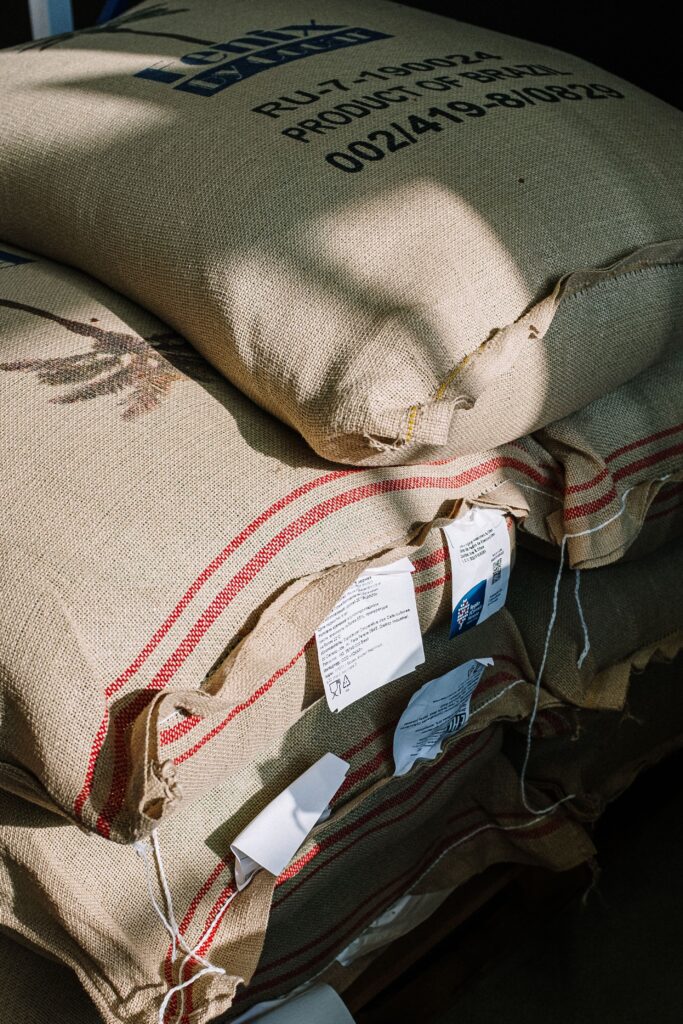
Costa Rican coffee culture is often associated with quality, structure and consistency. That reputation is not accidental. It is the result of deliberate regulation, controlled production and a long-standing focus on arabica coffee.
Unlike countries where coffee culture is shaped primarily by consumption habits, Costa Rica’s identity is strongly influenced by how coffee is grown and processed.
Coffee as a Regulated Industry
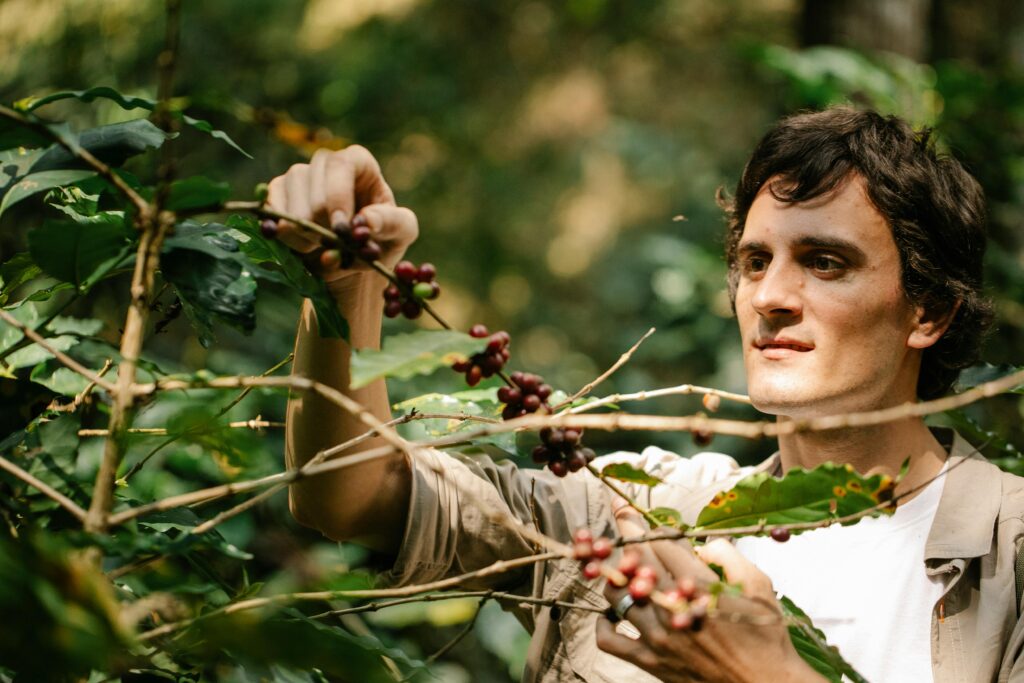
Costa Rica has taken a structured approach to coffee production.
By law, only arabica coffee is permitted to be grown commercially. This restriction has helped maintain a consistent baseline of quality across the country.
Production is typically carried out by small to medium-sized farms, many of which deliver coffee to local mills for processing.
This system emphasises control and standardisation rather than volume.
Milling and Processing Structure
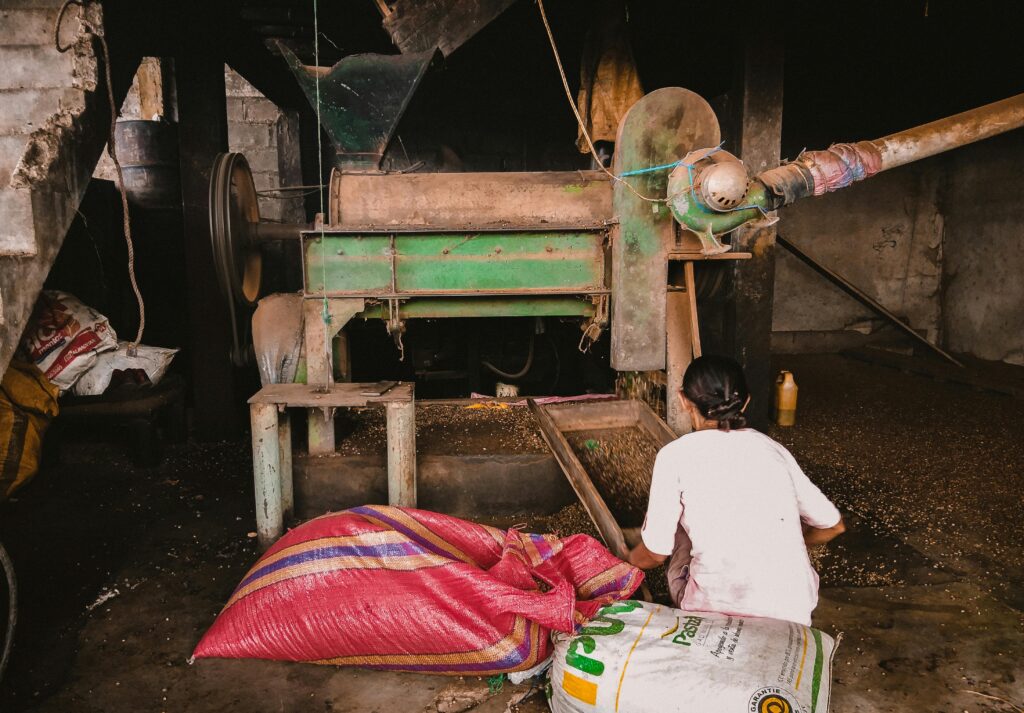
Costa Rica is known for its organised milling system.
Producers often deliver cherries to centralised mills, where processing is handled with a high degree of consistency. This allows for tighter control over fermentation, washing and drying.
In recent years, many mills have introduced alternative processing methods, including honey processing, which sits between washed and natural styles.
This combination of structure and innovation has helped Costa Rica maintain relevance in both commercial and specialty markets.
Coffee as Part of Daily Life
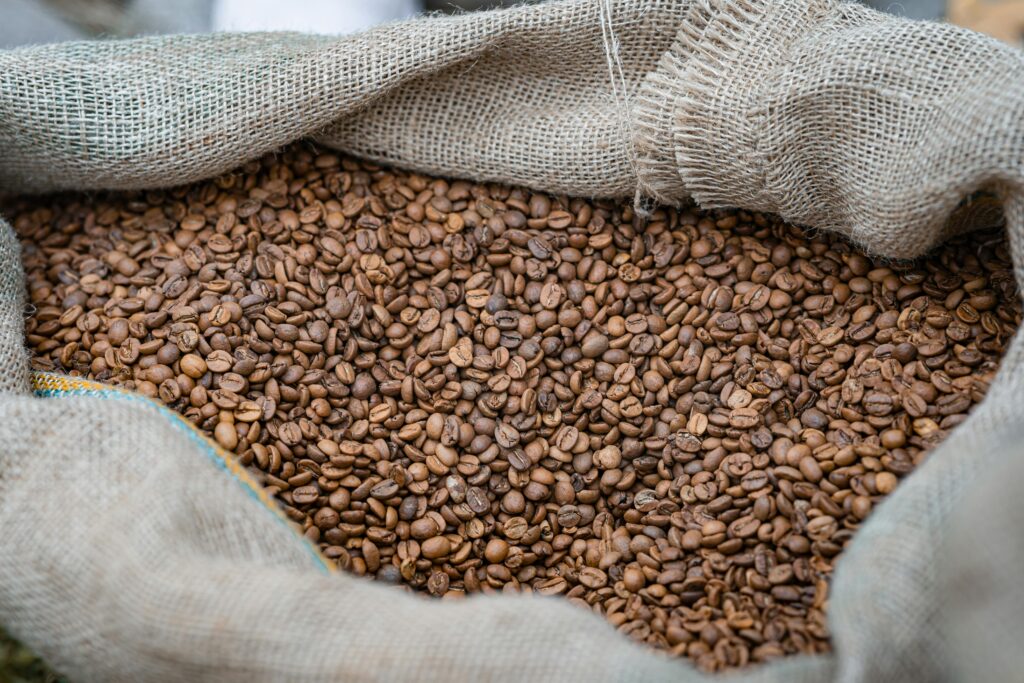
Coffee is consumed regularly in Costa Rica, particularly in homes.
Rather than espresso-based drinks, traditional preparation methods are more common in everyday settings. Coffee is typically brewed using simple filter systems and served throughout the day.
It is part of routine rather than ceremony.
The Chorreador

A distinctive feature of Costa Rican coffee culture is the chorreador.
This is a simple wooden stand holding a cloth filter, through which hot water is poured over ground coffee. The result is a clean, balanced cup produced with minimal equipment.
The chorreador reflects the broader approach to coffee in Costa Rica: practical, consistent and focused on clarity rather than intensity.
Flavour Profile and Expectations

Costa Rican coffees are typically associated with:
• Medium acidity
• Clean structure
• Balanced body
• Notes of chocolate, citrus and mild fruit
These characteristics make Costa Rican coffee versatile and widely appealing.
It is often used as both a single origin and a blend component, particularly where balance is required.
Click here to try our Costa Rican coffee today!
Coffee Regions and Identity
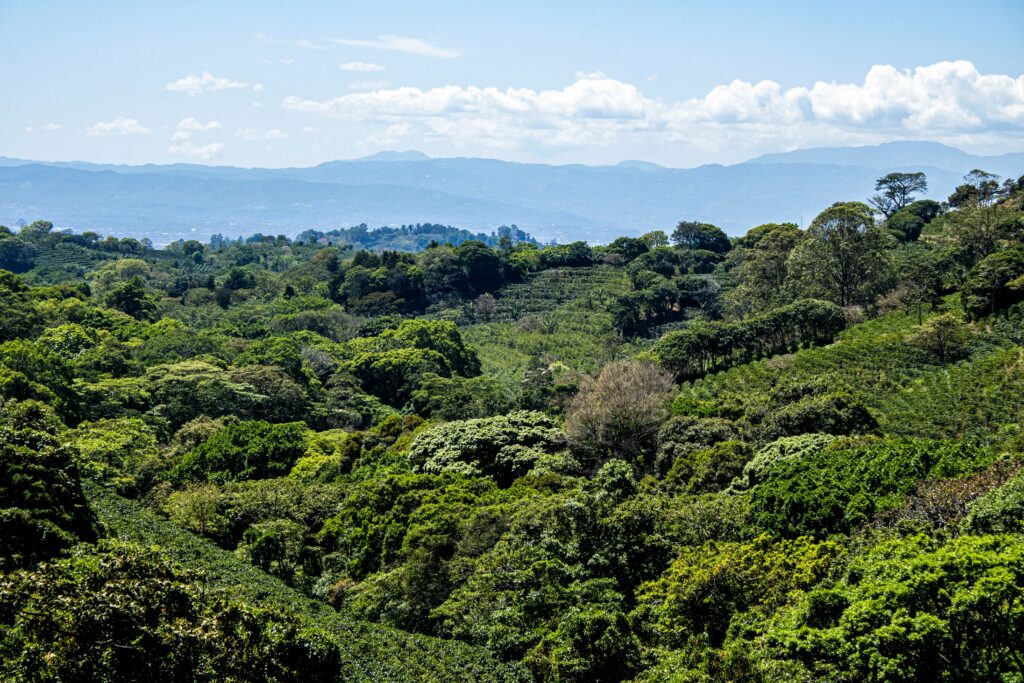
Regions such as Tarrazú are well known for producing high-quality coffee.
Altitude, climate and soil conditions vary across the country, creating subtle differences in flavour between regions. However, overall consistency remains a defining characteristic.
Costa Rica’s reputation is built less on extreme profiles and more on dependable quality.
Modern Coffee Culture

Cities such as San José have developed modern café scenes alongside traditional consumption.
Specialty coffee shops, alternative brewing methods and lighter roast profiles are increasingly visible. These reflect global trends rather than a complete shift away from traditional habits.
Coffee remains both a domestic staple and a developing café experience.
How Costa Rican Coffee Is Best Understood
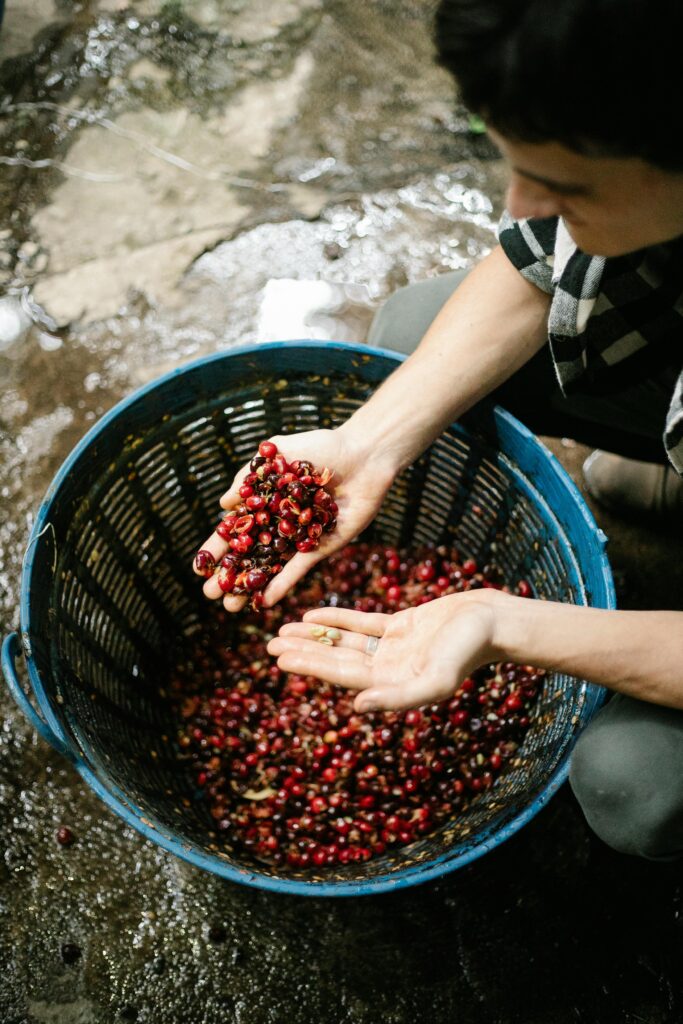
Costa Rican coffee culture is shaped by structure, regulation and consistency.
Coffee is grown under controlled conditions, processed with precision and consumed as part of daily routine. The chorreador reflects this approach, offering a simple and repeatable brewing method.
While specialty coffee continues to evolve within the country, Costa Rica remains defined by its ability to produce clean, balanced coffees with reliable quality.