Mexican coffee culture is shaped by tradition, accessibility and regional identity. Unlike countries where coffee is defined by café standards or export reputation, Mexico’s relationship with coffee is rooted in domestic preparation and everyday consumption.
Coffee is widely consumed, often prepared simply and closely tied to local customs.
Coffee Production in Mexico
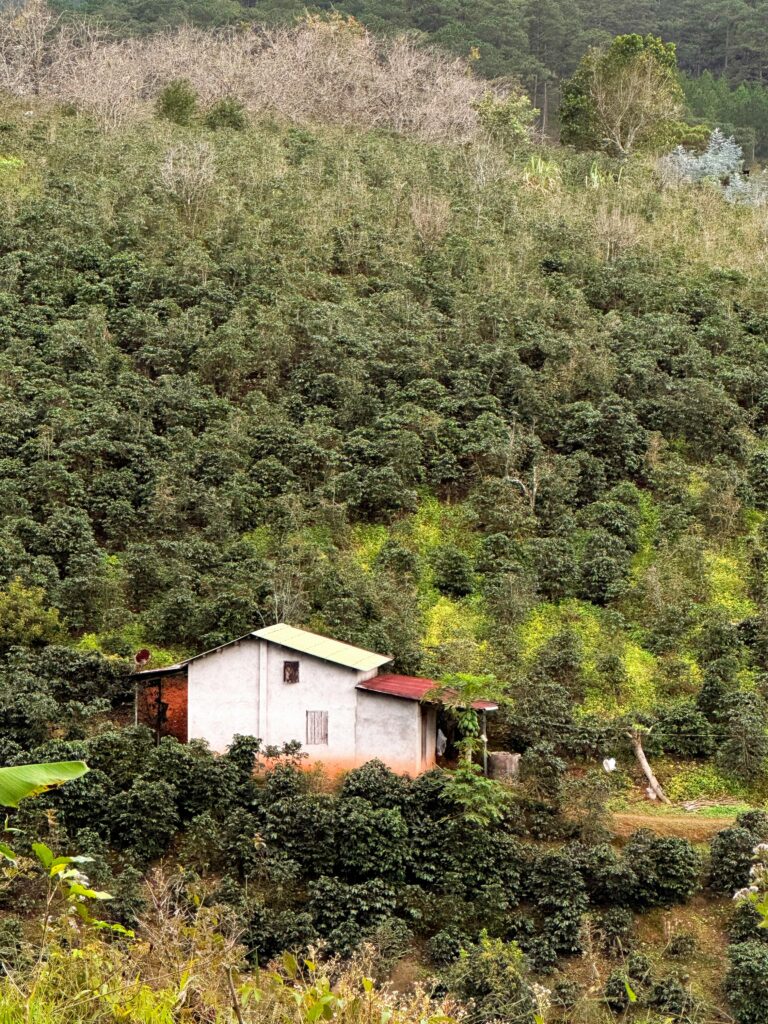
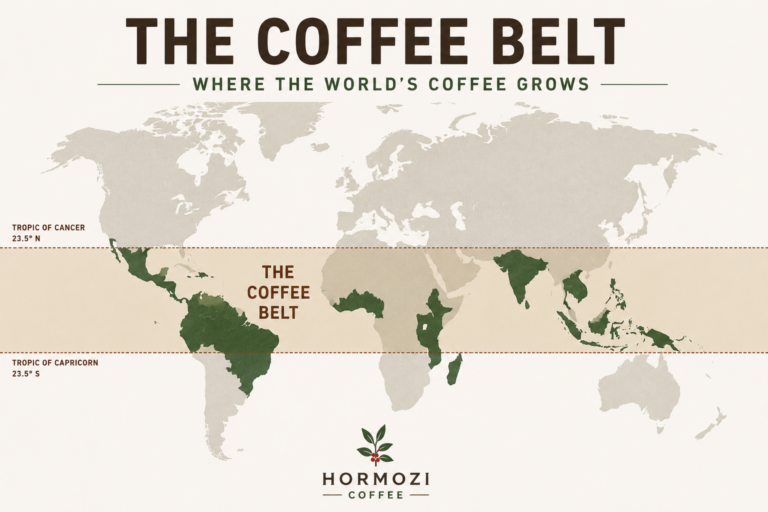
Mexico is a significant coffee producer, particularly in southern regions.
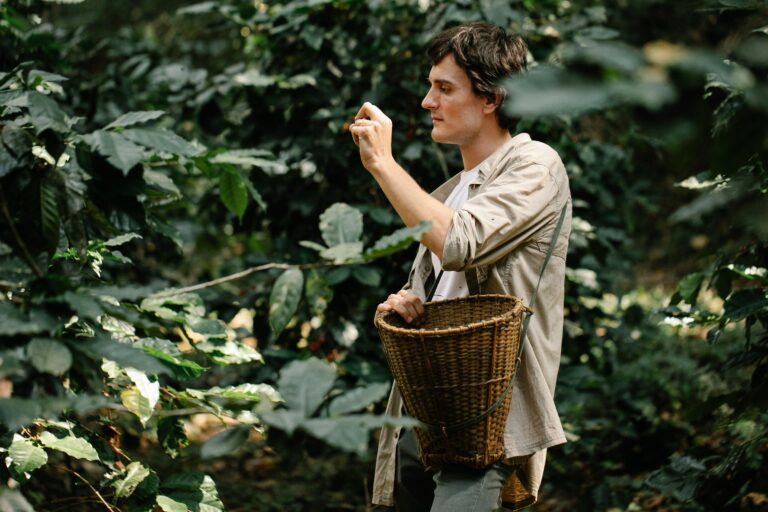
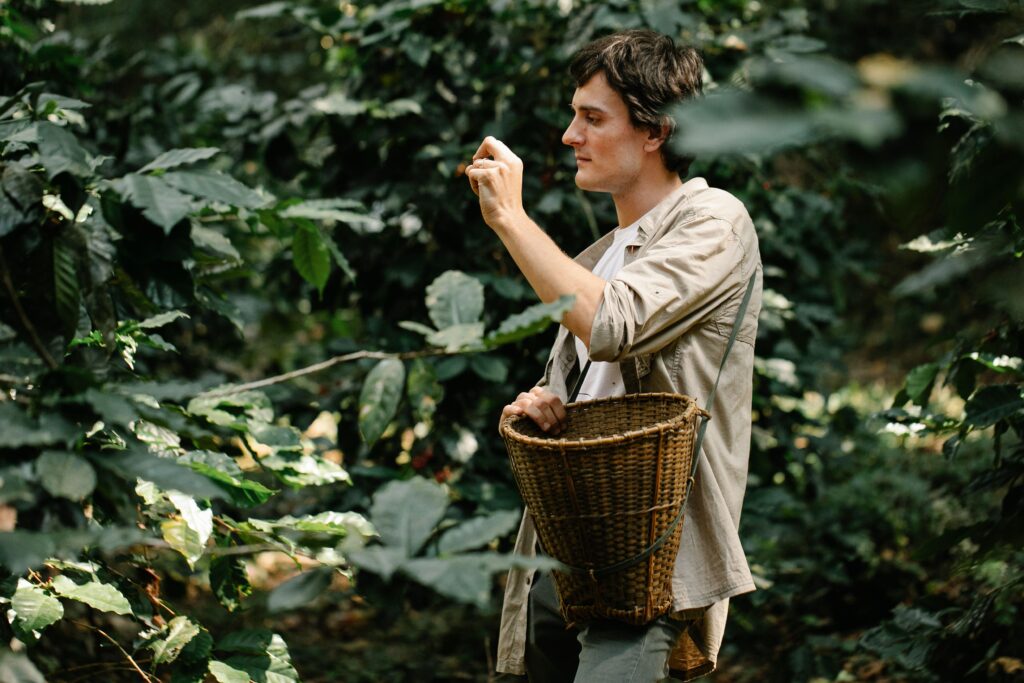
Coffee is typically grown by smallholder farmers in areas such as Chiapas, Oaxaca and Veracruz. These regions provide the altitude and climate needed for arabica cultivation.
Production is often less industrialised than in larger producing countries, with many farms operating on a smaller scale.
This contributes to variability, but also to regional character.
Coffee as a Daily Drink
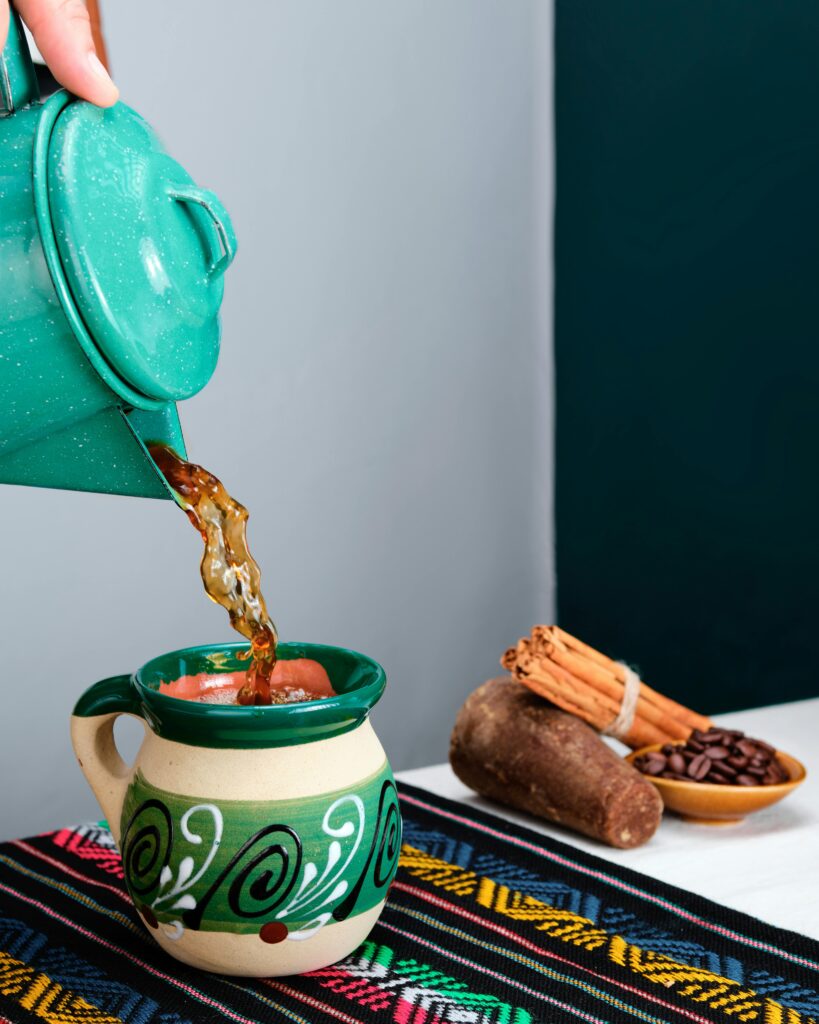
Coffee is consumed regularly across Mexico, both at home and in public settings.
It is not typically treated as a specialist product. Instead, it forms part of daily routine, often served in the morning or alongside meals.
Preparation methods are straightforward, and the emphasis is on familiarity rather than precision.
Café de Olla
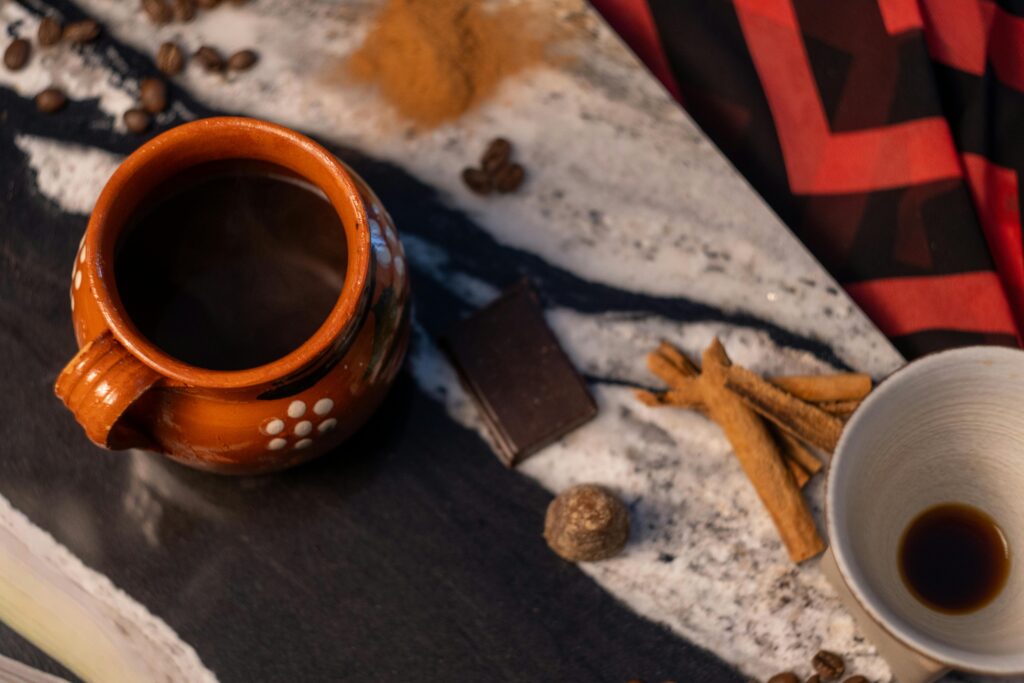
A defining feature of Mexican coffee culture is café de olla.
This traditional preparation involves brewing coffee with cinnamon and piloncillo, a form of unrefined cane sugar, often in a clay pot.
The result is a spiced, slightly sweet coffee with a distinct aroma.
Café de olla reflects how coffee is integrated into local culinary traditions rather than treated as a standalone beverage.
Brewing Methods

Traditional brewing in Mexico tends to be simple.
Coffee is often prepared using basic stovetop methods or cloth filters, producing a clean but slightly rustic cup. The process is practical and suited to everyday use.
Espresso is available in urban cafés, but it is not the dominant method across the country.
Flavour Profile and Expectations
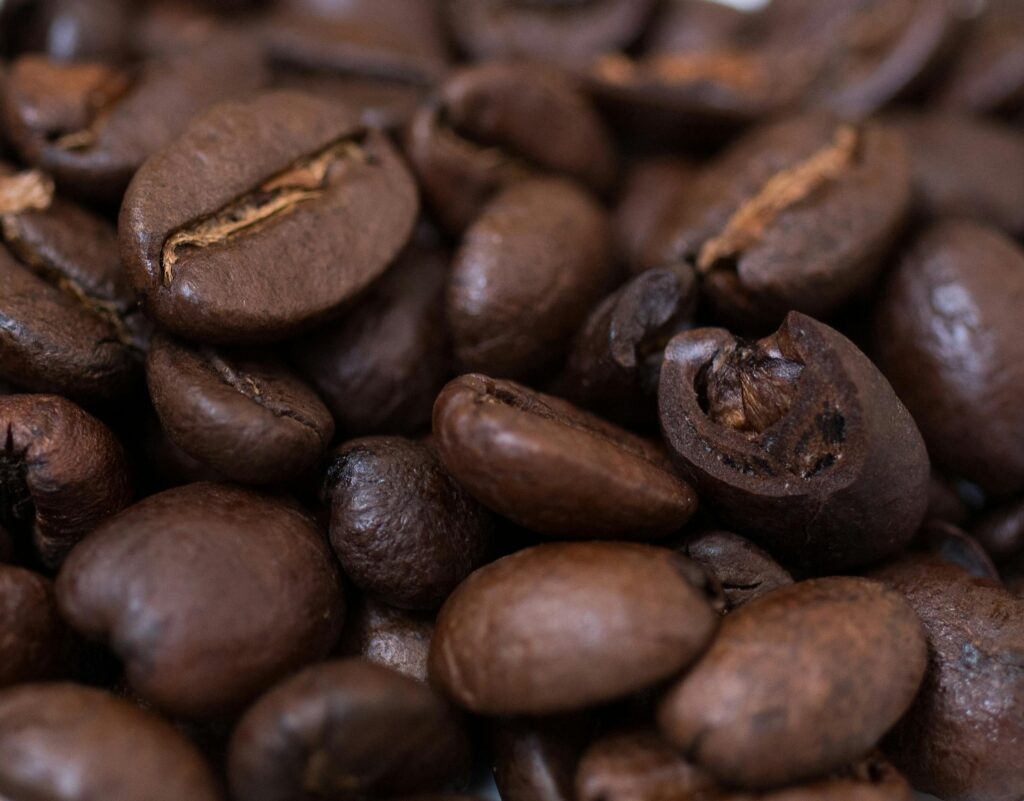
Mexican coffees are typically associated with:
• Medium body
• Mild acidity
• Chocolate and nut notes
• Gentle sweetness
These profiles make Mexican coffee approachable and easy to drink.
It is often used in blends or as a balanced single origin rather than for extreme flavour expression.
Coffee and Social Life
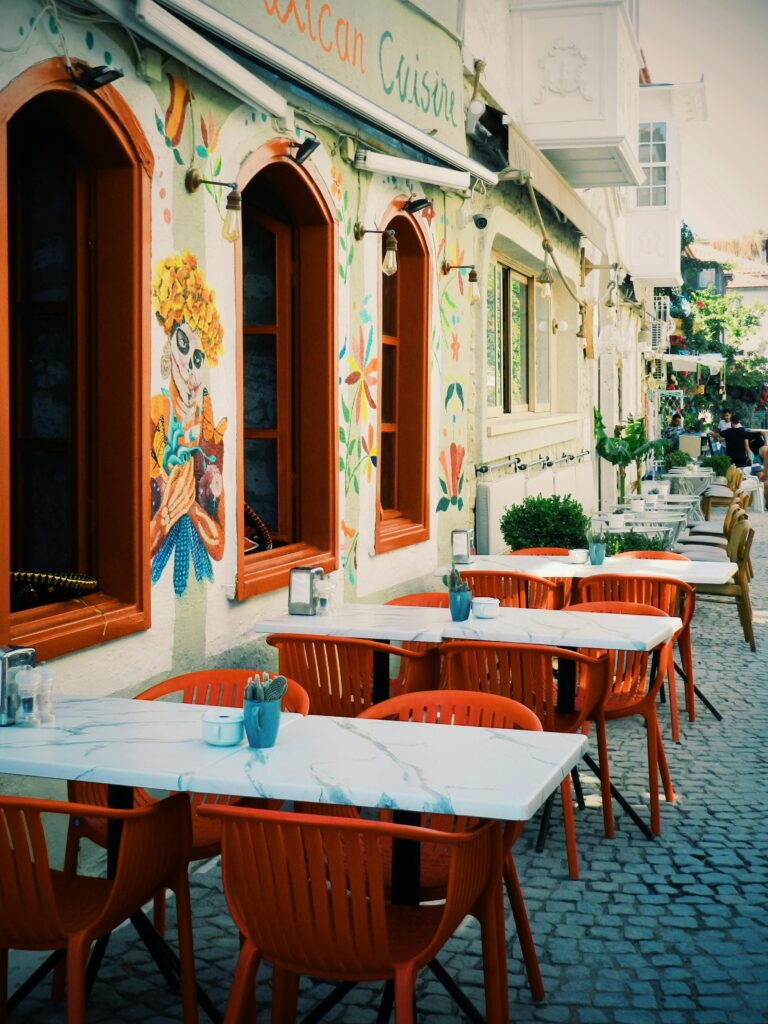
Coffee in Mexico is often consumed in a social context.
It may accompany meals, gatherings or informal conversations. The act of sharing coffee is part of hospitality, though it is generally less formalised than in Middle Eastern cultures.
Café culture exists, particularly in cities, but traditional preparation remains common.
Modern Coffee Culture
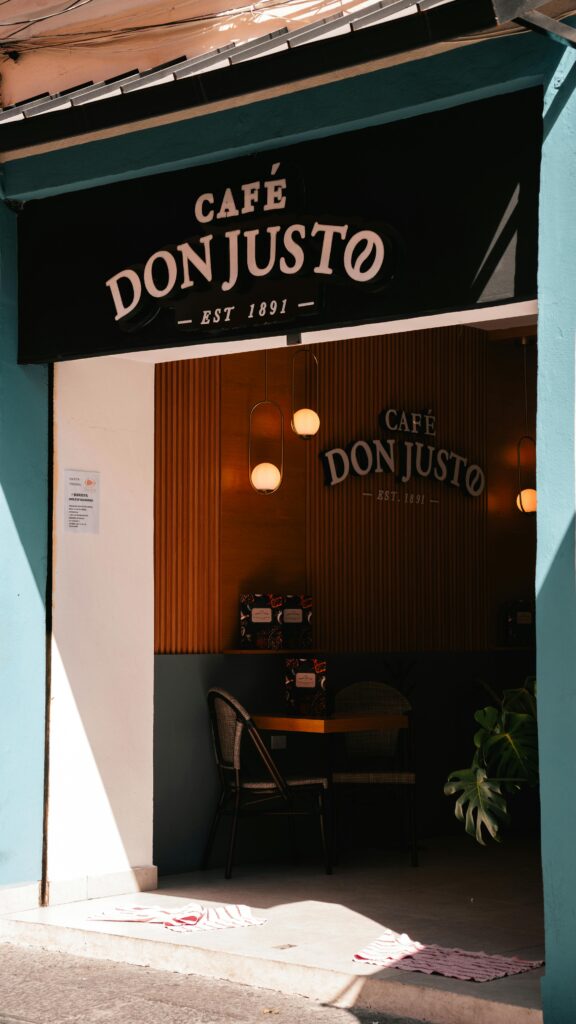
Cities such as Mexico City have developed a growing specialty coffee scene.
Modern cafés offer espresso-based drinks, single origin coffees and alternative brewing methods. These reflect global coffee trends and appeal to younger consumers.
However, traditional drinks like café de olla remain widely recognised and culturally important.
How Mexican Coffee Is Best Understood
Mexican coffee culture is shaped by tradition, simplicity and regional variation.
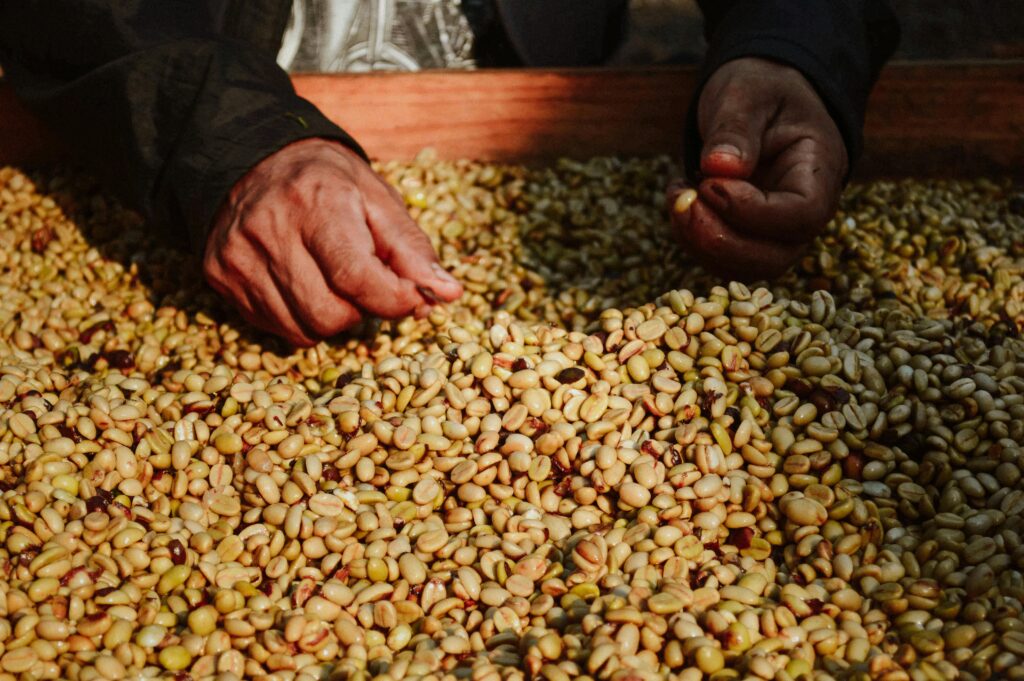
Coffee is grown across southern regions, prepared using straightforward methods and often combined with local ingredients such as cinnamon and piloncillo.
While modern café culture continues to grow, everyday coffee in Mexico remains grounded in routine rather than precision.
It is not defined by technical detail, but by familiarity and integration into daily life.