Moroccan coffee culture is influenced by trade, colonial history and strong café traditions. Unlike countries where coffee developed independently over time, Morocco’s coffee habits were shaped by external influences and adapted into local daily life.
Coffee in Morocco exists alongside tea culture, which remains dominant. As a result, coffee plays a secondary but still important role.
Coffee’s Introduction to Morocco
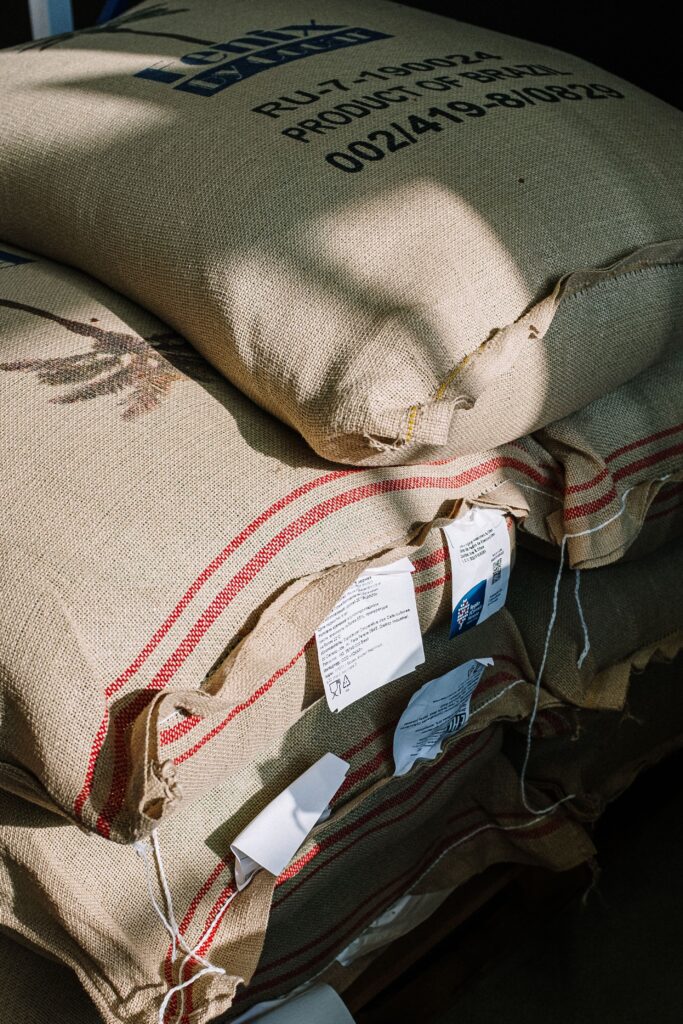
Morocco did not develop coffee culture through domestic production.
Instead, coffee arrived through trade and later through European influence, particularly during the French colonial period. This introduced espresso-style drinks and café formats that were not originally part of local tradition.
Over time, these influences became integrated into Moroccan urban life.
The Role of Cafés
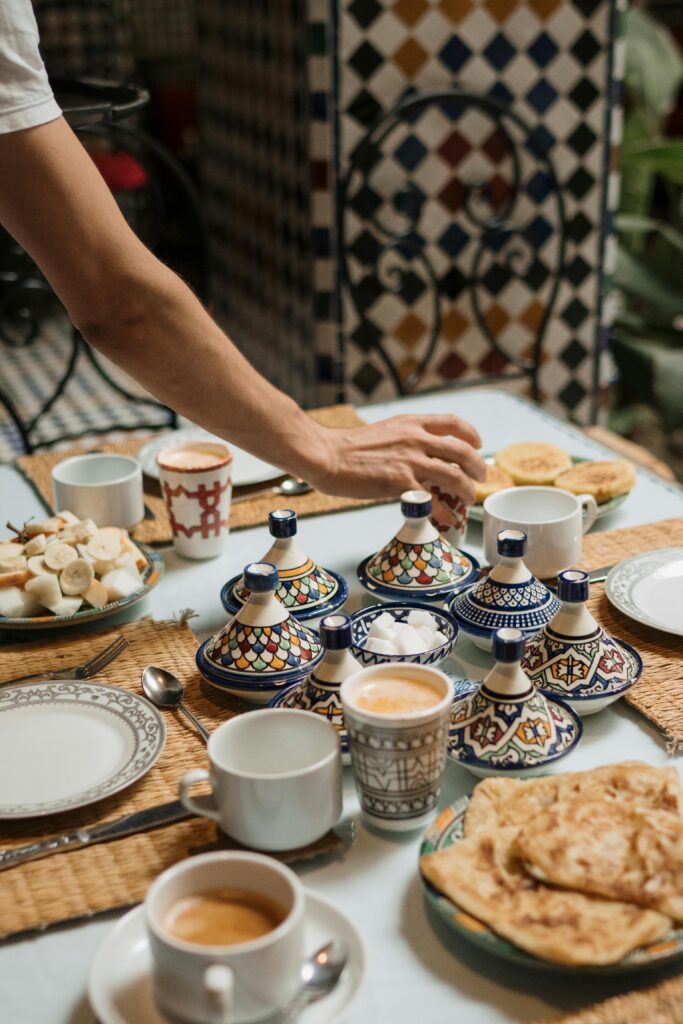
Cafés are central to Moroccan coffee culture.
In cities and towns, cafés function as social hubs where people gather to talk, watch football and spend time. It is common for customers to sit for extended periods with a single drink.
Coffee in this setting is not rushed. It supports conversation and routine.
This café-based culture reflects European influence but has been adapted into local social habits.
Espresso and Milk-Based Drinks

Coffee in Morocco is typically served in espresso form.
Drinks such as espresso, café crème and milk-based variations are widely available. Preparation standards vary, but the format is familiar across urban areas.
Unlike countries with strong domestic brewing traditions, Morocco’s coffee culture is largely built around café service rather than home preparation.
Coffee and Spice
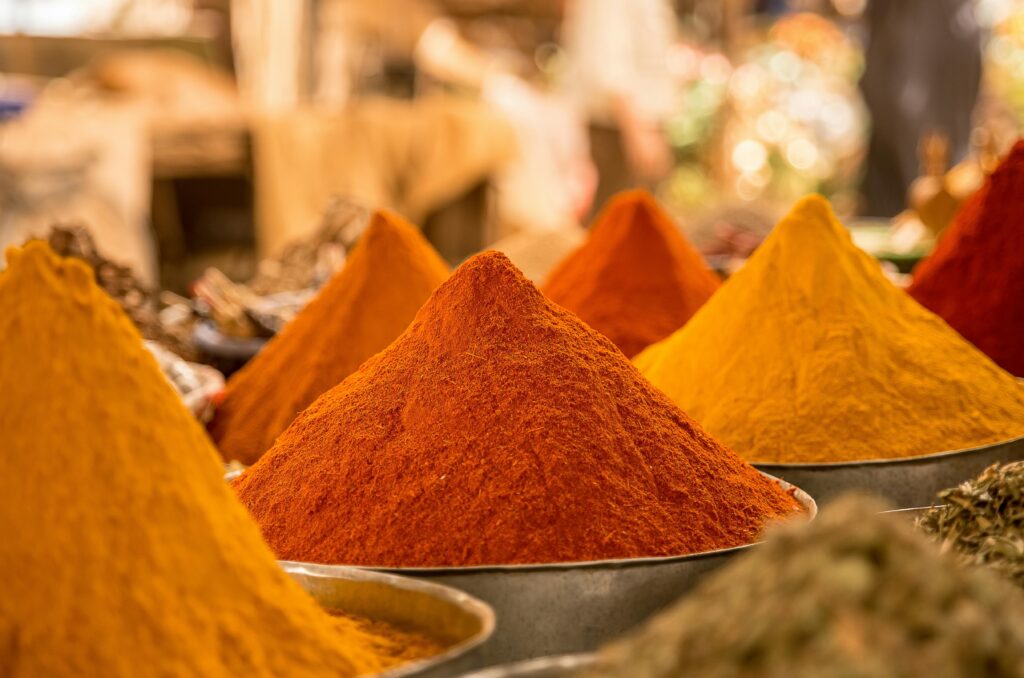
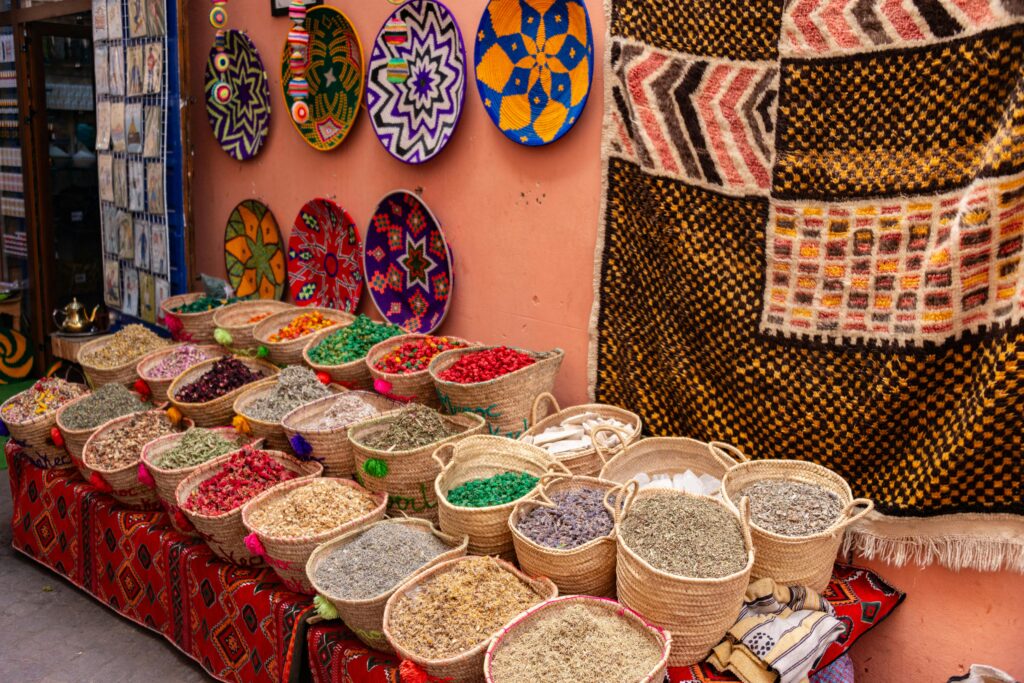
Moroccan coffee is sometimes prepared with spices, particularly in more traditional or domestic settings.
Cinnamon and other spices may be added, creating a warmer and more aromatic profile. However, this is less standardised than in countries with established spiced coffee traditions.
Spiced coffee exists alongside more common espresso-based drinks.
Coffee vs Tea
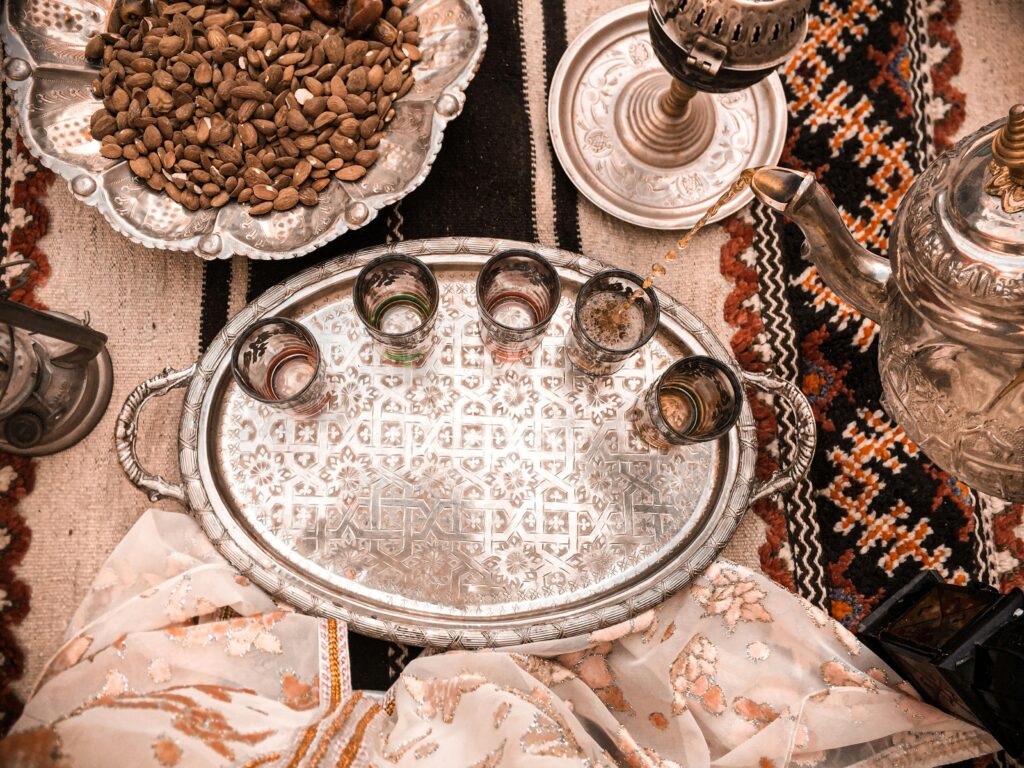
Tea, particularly mint tea, remains the dominant beverage in Morocco.
Coffee does not replace tea but complements it. Tea is often associated with hospitality and formal serving rituals, while coffee is more commonly linked to cafés and casual settings.
This balance shapes how coffee is consumed and understood within the country.
Modern Coffee Culture
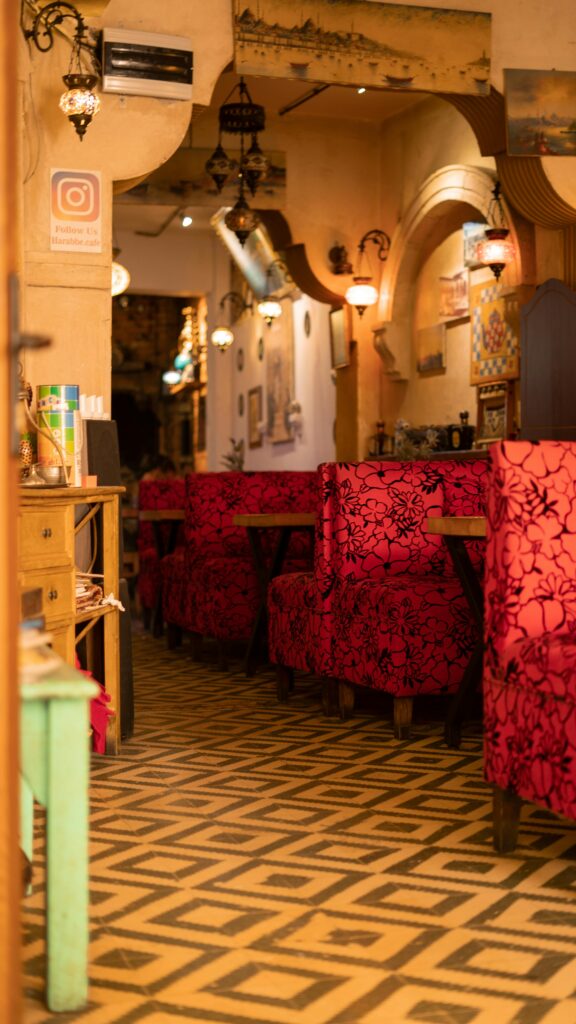
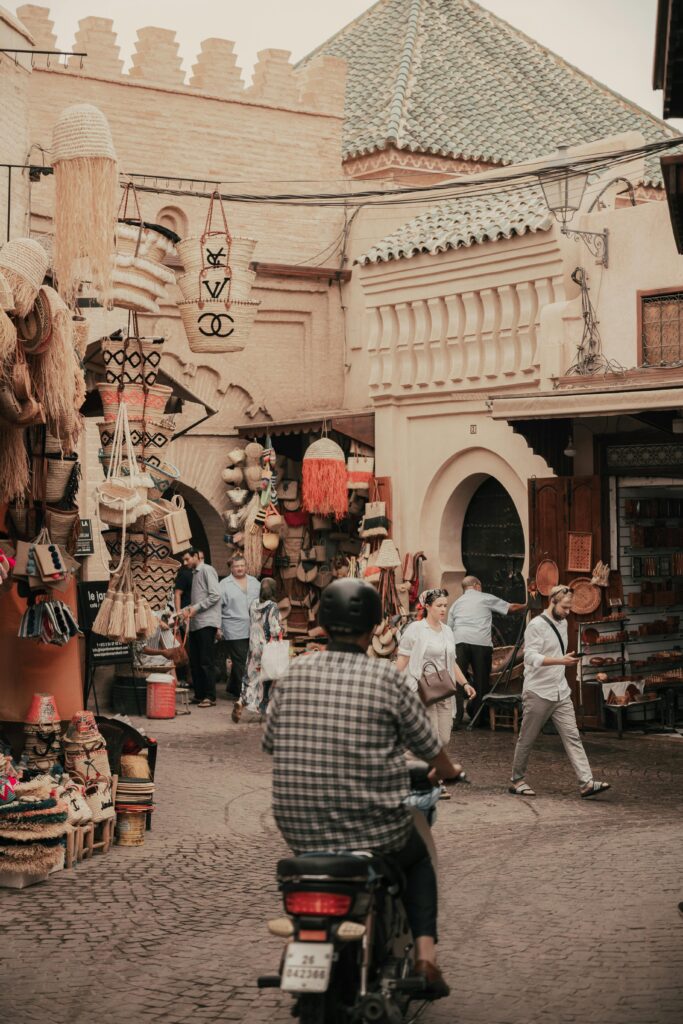
Cities such as Casablanca and Marrakech have a wide range of cafés.
These include traditional neighbourhood cafés as well as more modern venues influenced by international coffee trends. Espresso machines are standard, and café culture is well established.
However, specialty coffee remains a smaller segment compared to everyday café consumption.
How Moroccan Coffee Is Best Understood
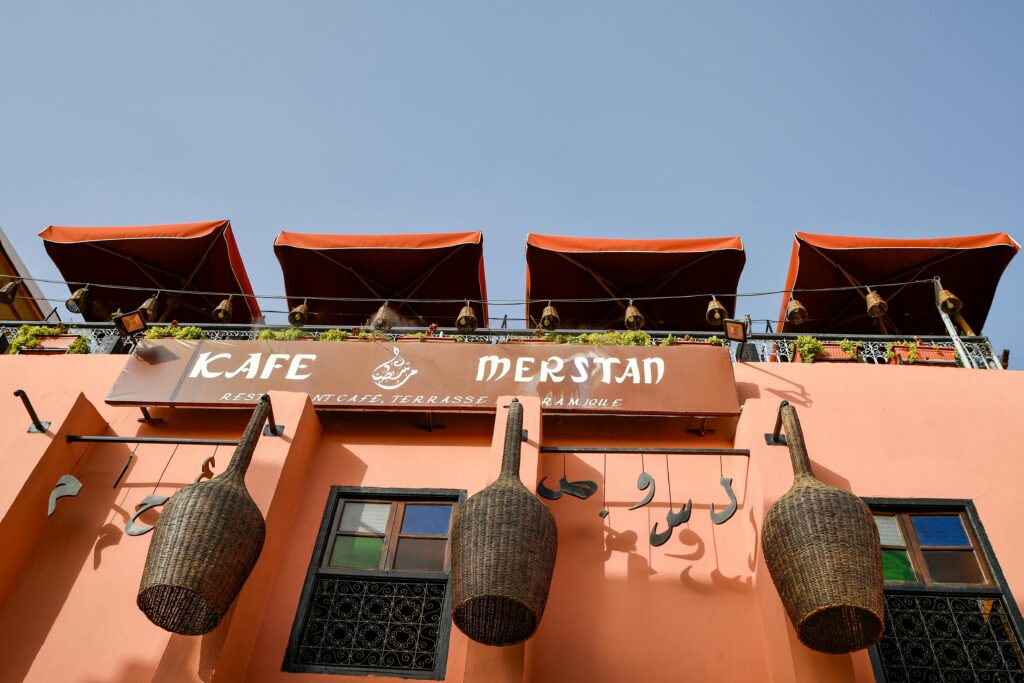
Moroccan coffee culture developed through external influence and local adaptation.
It is centred on cafés rather than home brewing, espresso rather than filter and social interaction rather than technical preparation.
While tea remains more culturally dominant, coffee plays a consistent role in daily life, particularly in urban environments.
It is best understood as a social habit shaped by history, environment and routine rather than by production or ritual.