South Korean coffee culture is defined by rapid development, attention to detail and strong visual identity. Unlike countries where coffee traditions evolved gradually over decades or centuries, South Korea’s coffee scene has expanded quickly and with clear influence from global trends.
Coffee in South Korea is both a daily habit and a design-driven experience.
A Rapidly Developed Coffee Culture
South Korea did not historically have a strong coffee tradition.
Tea was more common, and coffee consumption was limited until the late twentieth century. The growth of coffee culture accelerated in the 1990s and 2000s, driven by urbanisation and rising demand for café spaces.
This relatively recent development means South Korea’s coffee culture is modern by default.
The Rise of Café Culture
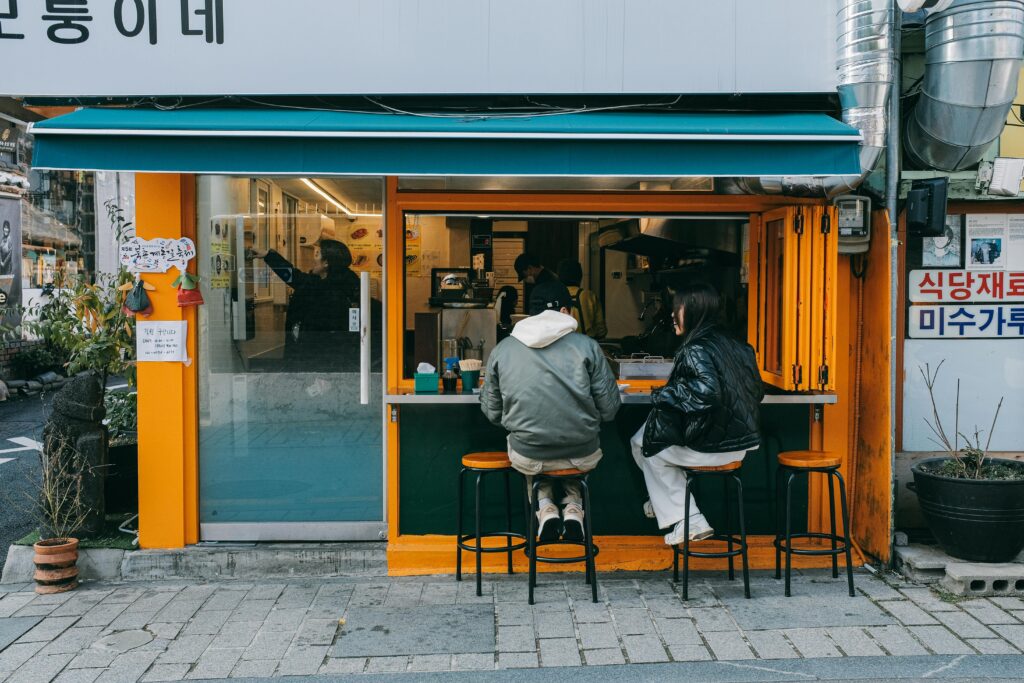
Cafés play a central role in South Korean coffee culture.
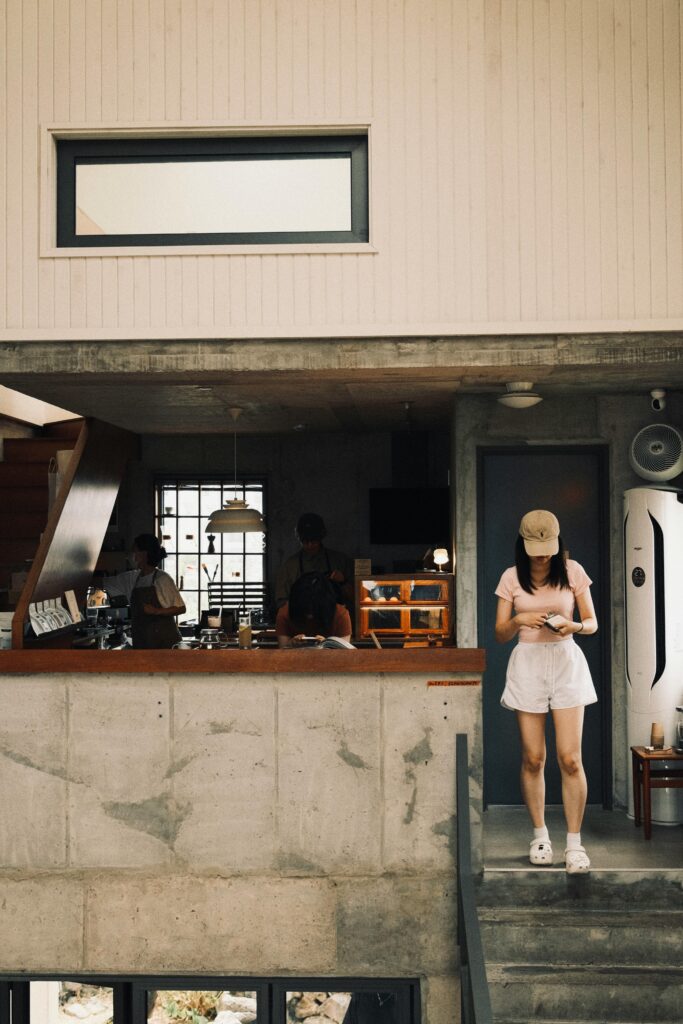
In cities, cafés are used as social spaces, work environments and places to spend extended periods of time. The experience is often as important as the coffee itself.
Interior design, atmosphere and presentation are key factors. Many cafés are built around a specific concept or aesthetic, which shapes how customers interact with the space.
Coffee is part of a broader lifestyle experience.
Espresso and Modern Drinks
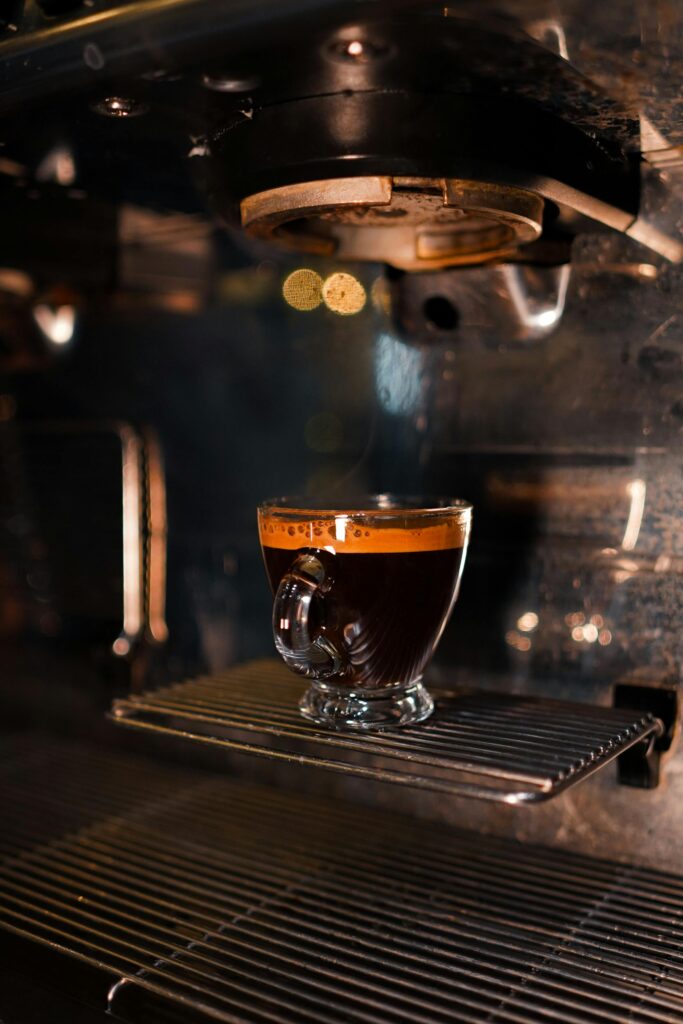
Espresso-based drinks are widely consumed.
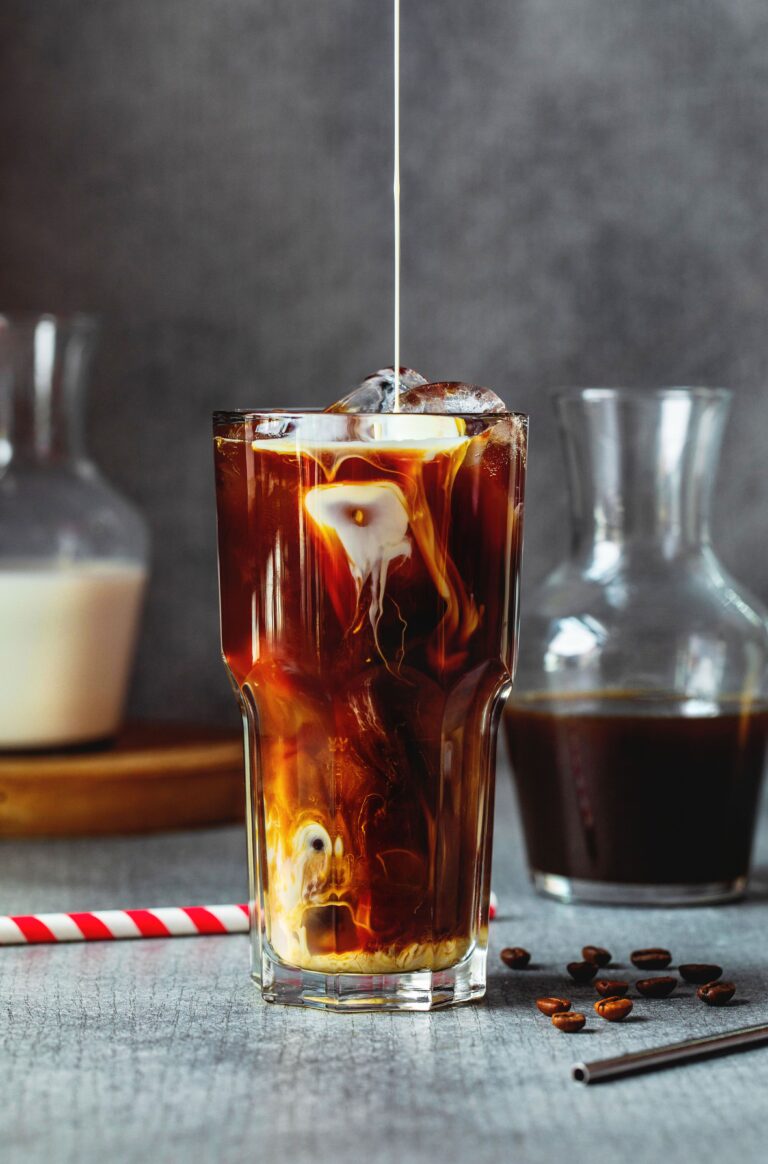
Lattes, iced americanos and other milk-based drinks are common across both independent cafés and chains. Iced coffee in particular is popular, even in colder weather.
Preparation standards vary, but consistency and presentation are expected.
Unlike some traditional coffee cultures, South Korea’s approach is closely aligned with global café formats.
Specialty Coffee and Precision
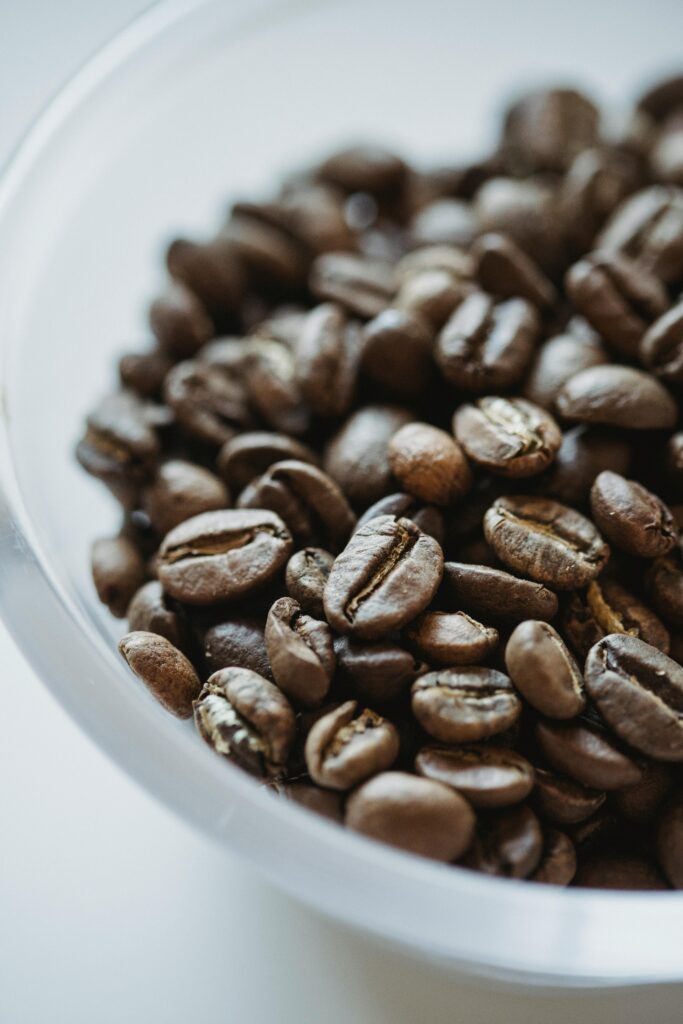
South Korea has developed a strong specialty coffee scene.
Baristas and roasters place emphasis on precision, technique and repeatability. Manual brewing methods such as pour-over are common, often prepared with a high level of control.
This focus on detail reflects a broader cultural preference for refinement and consistency.
Specialty coffee in South Korea is not niche. It is widely recognised and accessible.
Coffee and Visual Presentation
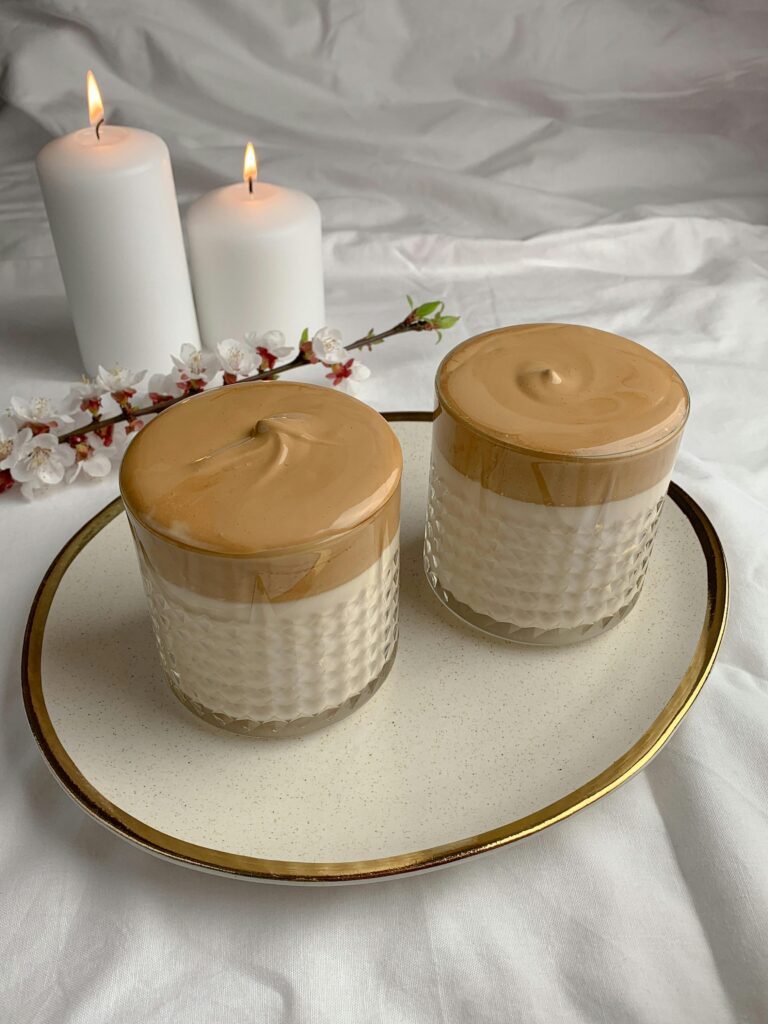
A distinctive feature of South Korean coffee culture is its focus on presentation.
Drinks are often served with attention to appearance, including glassware, layering and colour contrast. Cafés themselves are designed to be visually appealing, often encouraging photography.
This emphasis does not replace quality, but it adds another layer to the experience.
Coffee is something to be seen as well as consumed.
Convenience Coffee
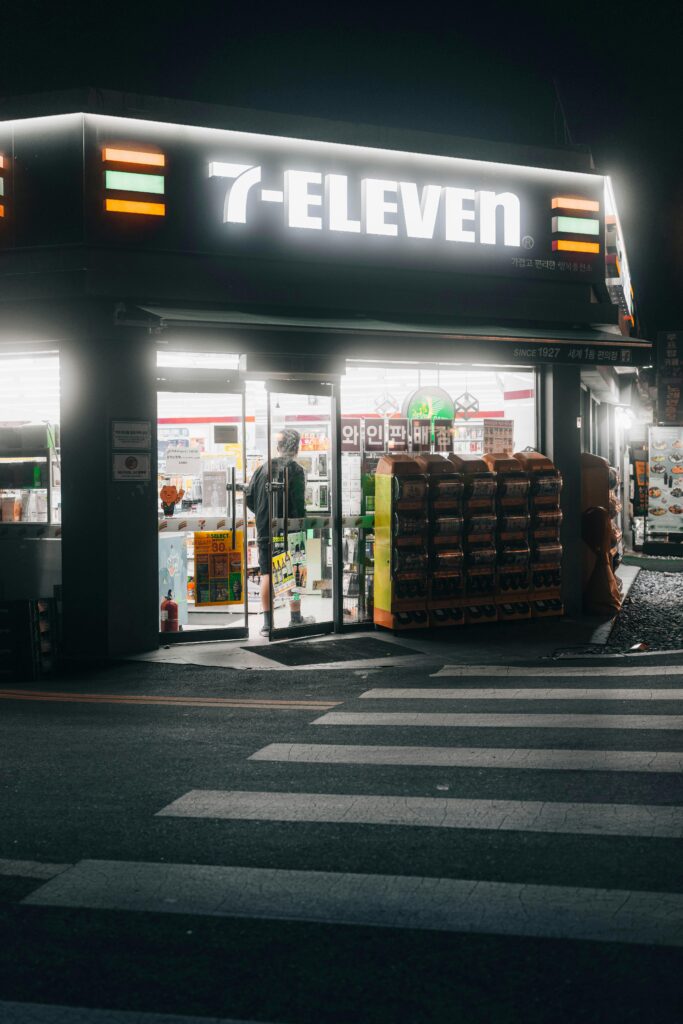
Alongside high-end cafés, convenience store coffee is also widespread.
Affordable, ready-to-drink options are available across the country, making coffee accessible at all price points.
This creates a dual system where premium café experiences exist alongside highly convenient everyday options.
Urban Coffee Culture
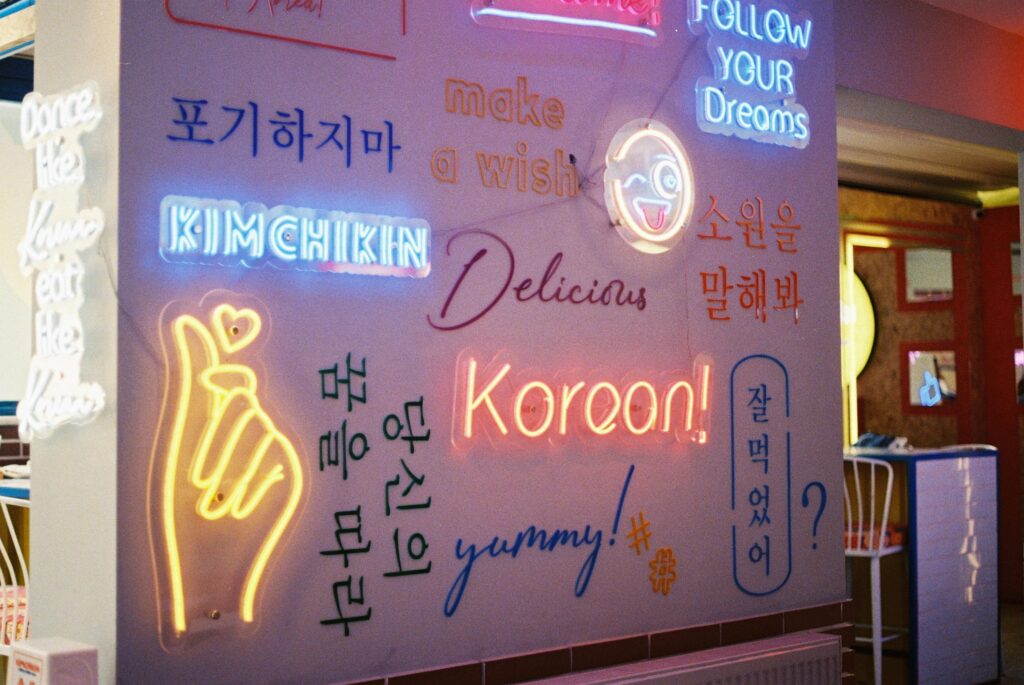
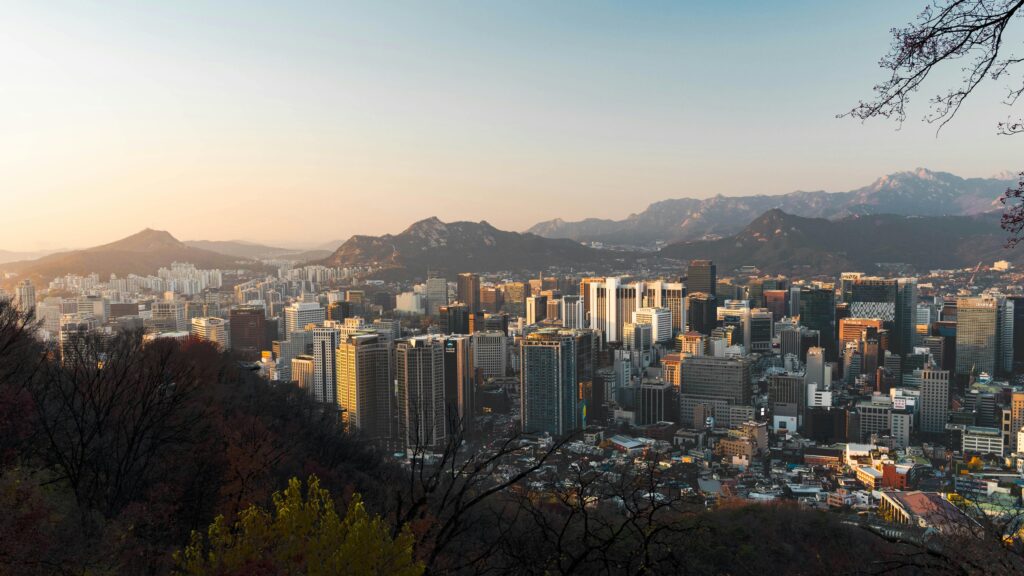
Cities such as Seoul have one of the highest densities of cafés in the world.
Competition is strong, which has driven improvements in both quality and presentation. New cafés regularly open with distinct concepts, contributing to a constantly evolving scene.
Coffee culture here is dynamic rather than static.
How South Korean Coffee Is Best Understood
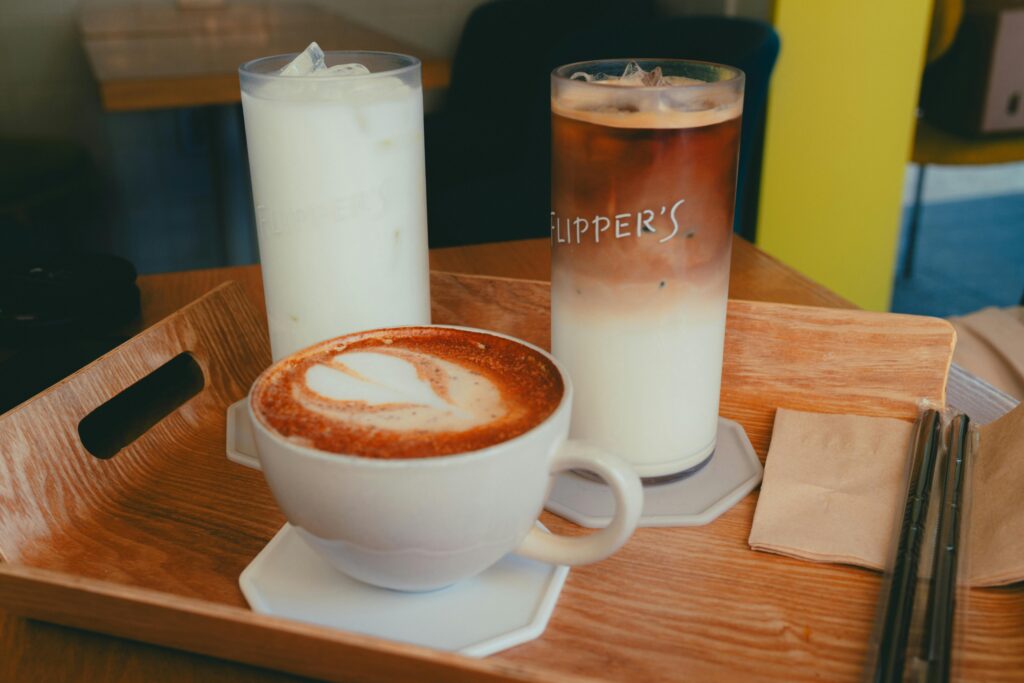
South Korean coffee culture is modern, fast-moving and experience-driven.
It developed quickly, influenced by global trends but refined through local expectations around quality and presentation.
Coffee is consumed daily, but it is also part of a broader lifestyle centred on cafés, design and social interaction.
Rather than being defined by tradition, South Korea’s coffee culture is defined by how quickly it adapts and evolves.