If you’ve ever wondered where coffee grows, the answer isn’t simply “hot countries.” Coffee is grown in a relatively narrow band around the equator known...
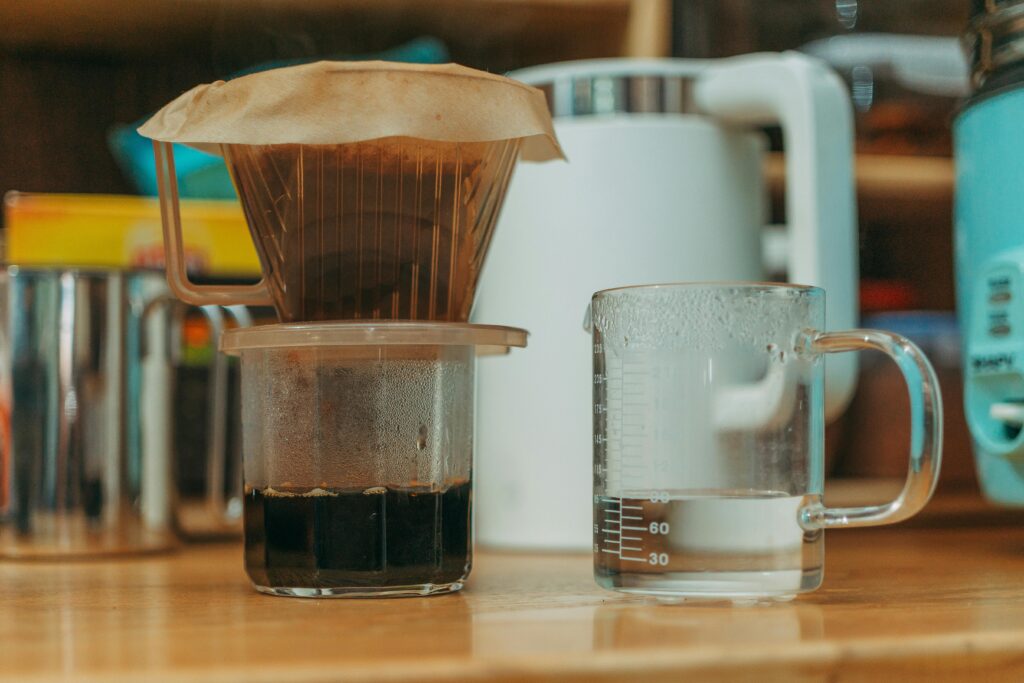
If you’re already buying good coffee, the biggest gains don’t usually come from changing beans. They come from fixing the small things around them, such as coffee tools. Most home setups fail on consistency rather than quality. Grind size varies,
Brazilian coffee culture is defined by scale, accessibility and everyday consumption. Unlike countries where coffee is tied to ceremony or café ritual, in Brazil coffee is part of daily routine across all settings. It is consumed frequently, served simply and

Yemeni coffee culture occupies a unique place in global coffee history. While many countries grow coffee or consume it socially, Yemen is closely connected to the early spread of coffee as a drink. For centuries, Yemen acted as one of

Saudi Arabian coffee culture is strongly tied to hospitality, tradition and social etiquette. Coffee is not typically treated as a casual drink or personal habit. Instead, it plays a central role in welcoming guests and marking social gatherings. Serving coffee
Lebanese coffee culture is defined by hospitality, conversation and strong tradition. Coffee is not treated as a quick drink or a commercial product but as a central part of welcoming guests and maintaining social relationships. In many Lebanese homes, offering
Egyptian coffee culture is deeply social, historically layered and closely tied to everyday conversation. Unlike many modern coffee markets shaped primarily by specialty cafés or global chains, Egyptian coffee traditions developed through communal gathering places and long-standing preparation methods. Coffee

