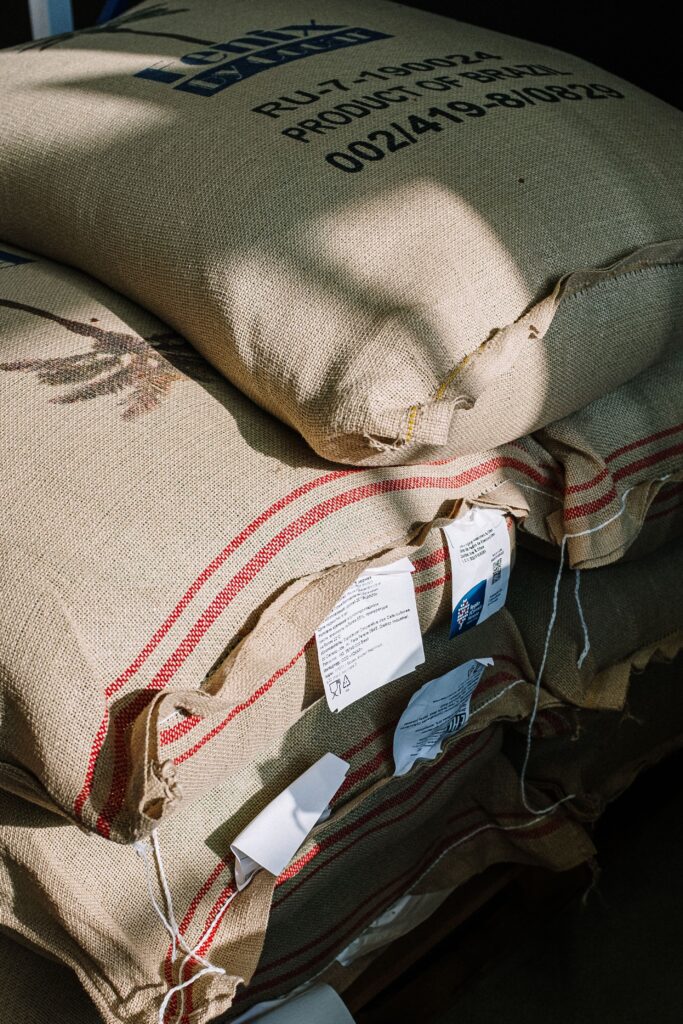
Brazilian coffee culture is defined by scale, accessibility and everyday consumption. Unlike countries where coffee is tied to ceremony or café ritual, in Brazil coffee is part of daily routine across all settings.
It is consumed frequently, served simply and expected to be consistent rather than complex.
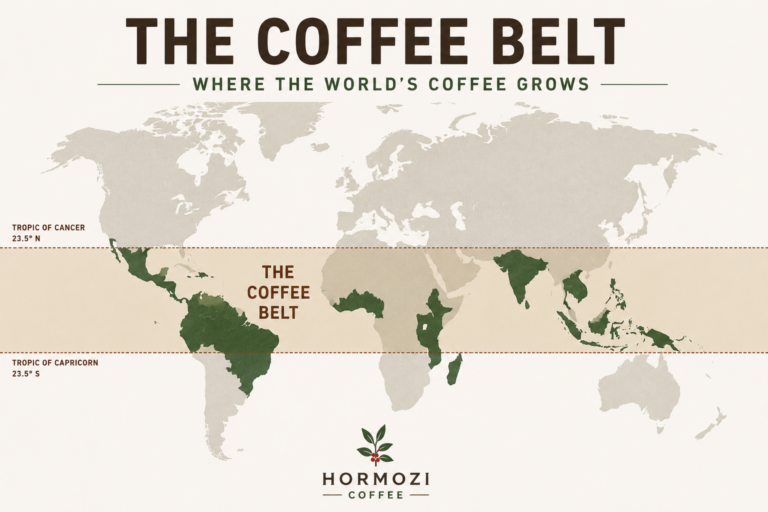
Brazil’s importance comes not only from how it drinks coffee, but from how it produces it.
Brazil as the World’s Largest Coffee Producer
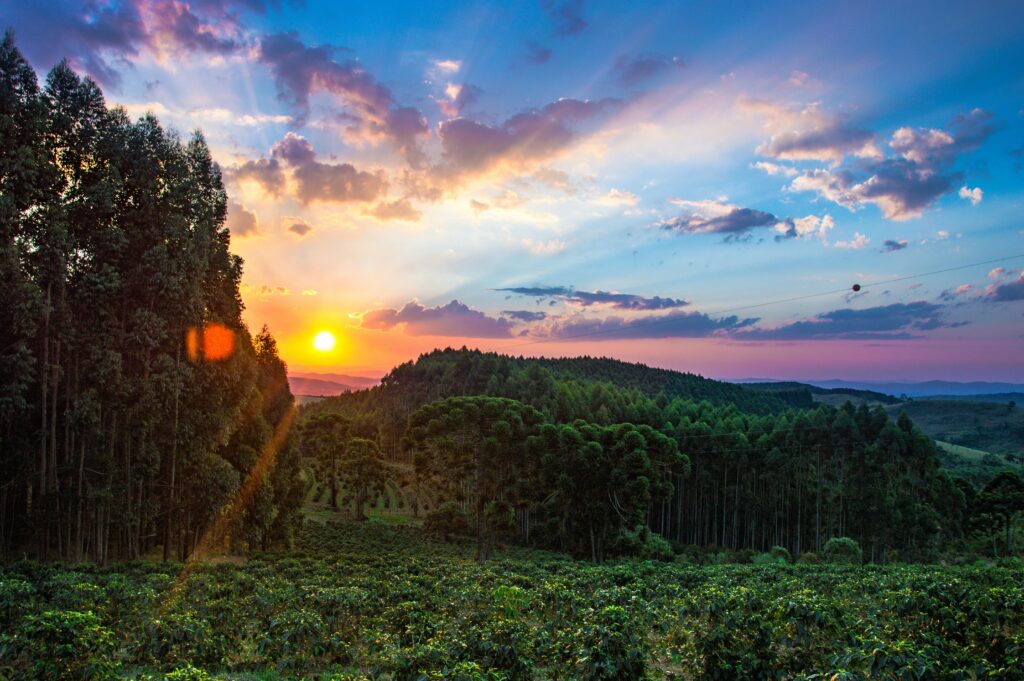
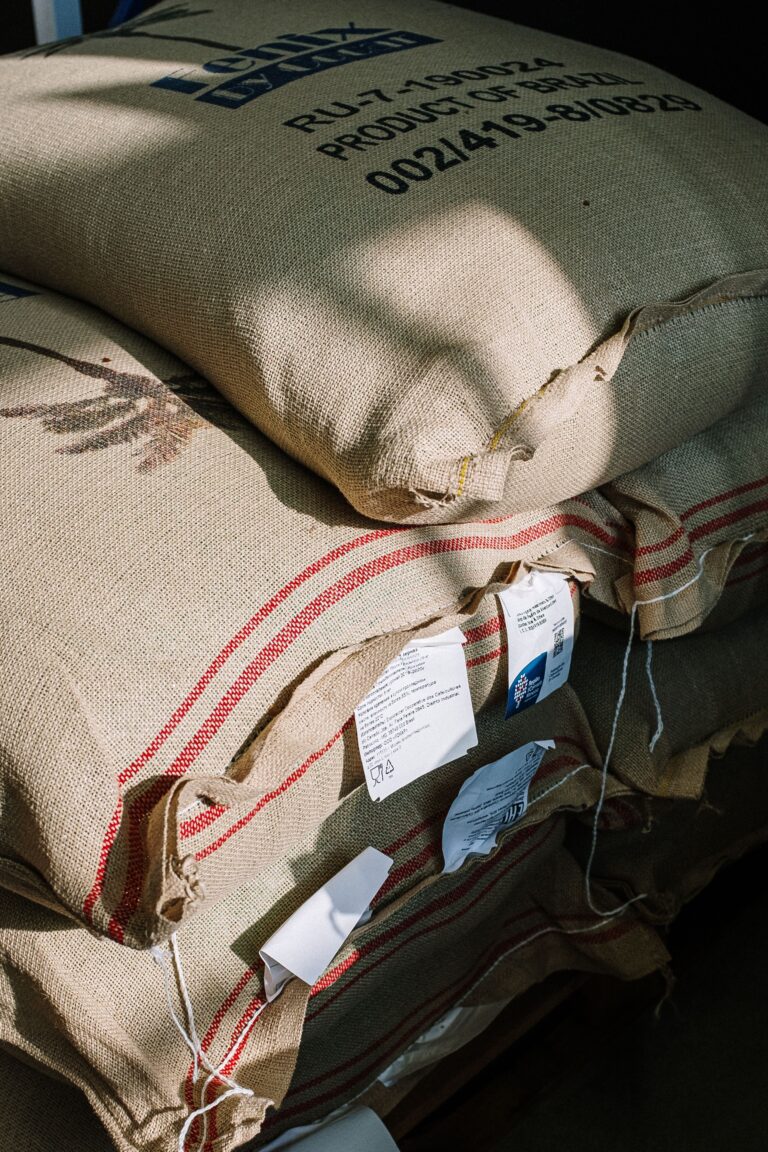
Brazil is the largest coffee producer in the world by a significant margin.
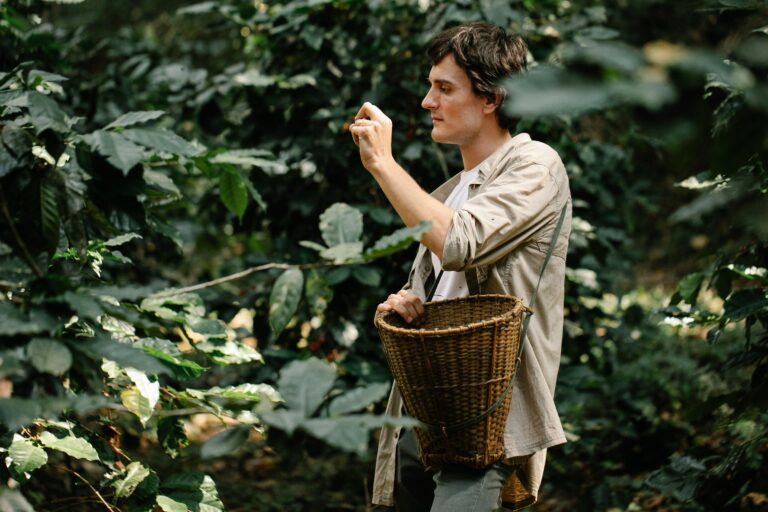
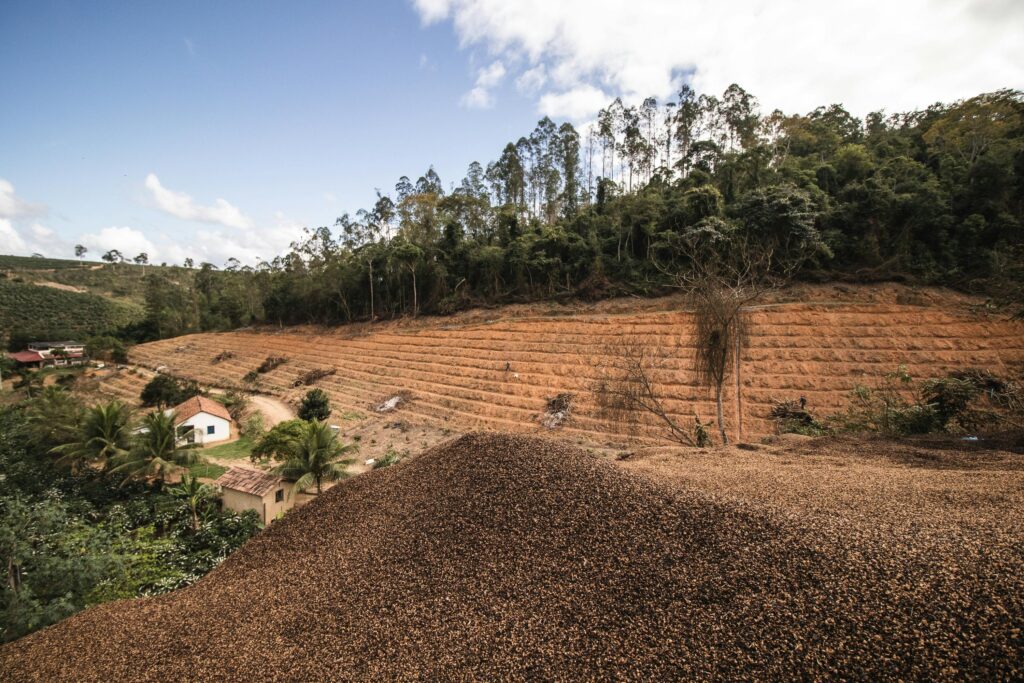
Coffee production in Brazil operates at a scale not seen elsewhere. Large farms, mechanised harvesting and efficient processing systems allow for high output and consistent supply.
This scale has shaped global coffee availability. Much of the world’s espresso blends rely on Brazilian coffee as a base due to its balance, body and reliability.
Unlike smaller origin countries known for distinct flavour profiles, Brazil is often associated with consistency and volume.
Coffee as an Everyday Drink
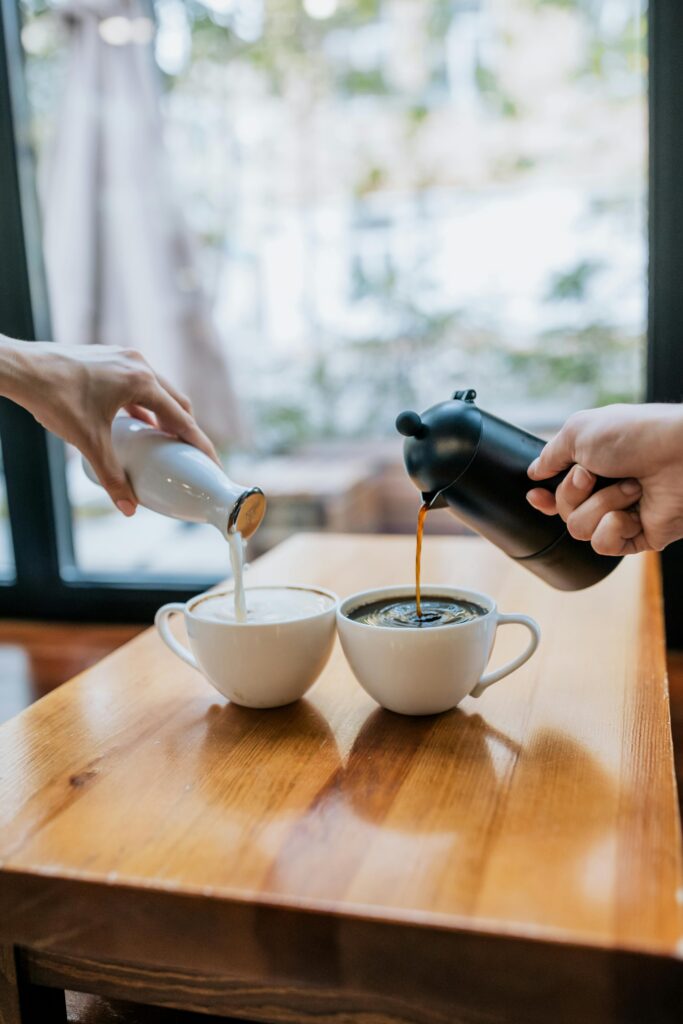
In Brazil, coffee is not positioned as a speciality product. It is part of daily life.
Coffee is consumed throughout the day in homes, workplaces and public settings. It is common to be offered coffee when visiting someone, attending a meeting or entering a shop.
The drink is simple, familiar and expected.
Rather than being analysed in terms of flavour notes or origin detail, coffee is judged by how well it performs its role: consistent, smooth and easy to drink.
The Cafezinho
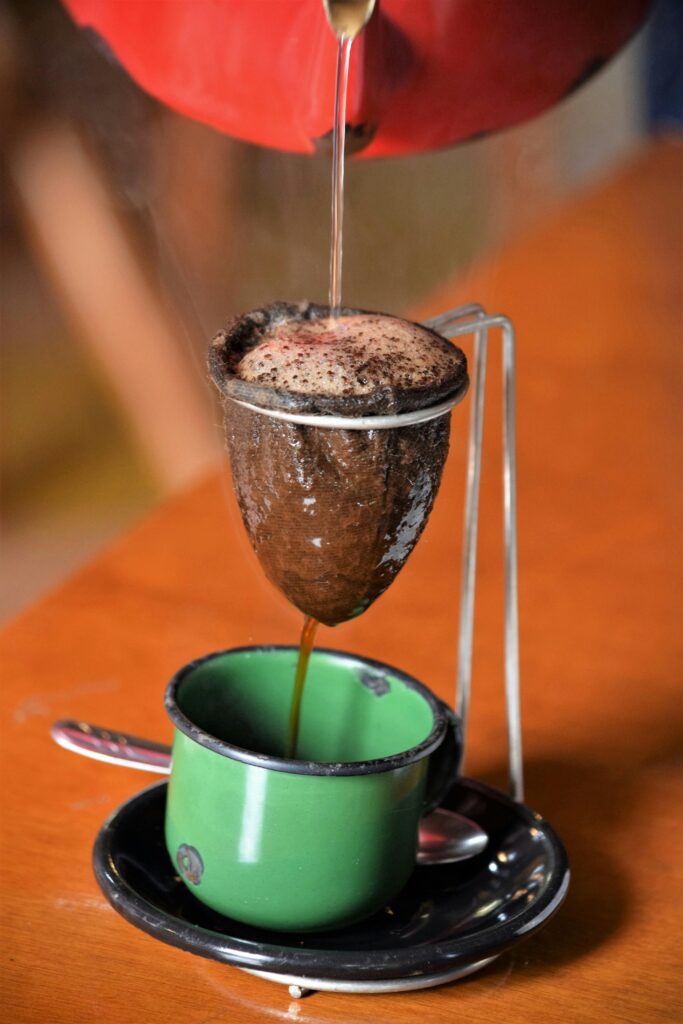
The most recognisable expression of Brazilian coffee culture is the cafezinho.
A cafezinho is a small, strong coffee typically served black and often pre-sweetened. It is usually filtered rather than espresso-based, though the strength can feel similar due to its concentration.
Cafezinho is served in small cups and offered frequently as a gesture of hospitality.
It is not uncommon for businesses, homes and even informal settings to offer cafezinho to visitors. Refusing it is possible, but accepting it is part of social interaction.
The drink is quick to prepare but central to daily routines.
Brewing Methods
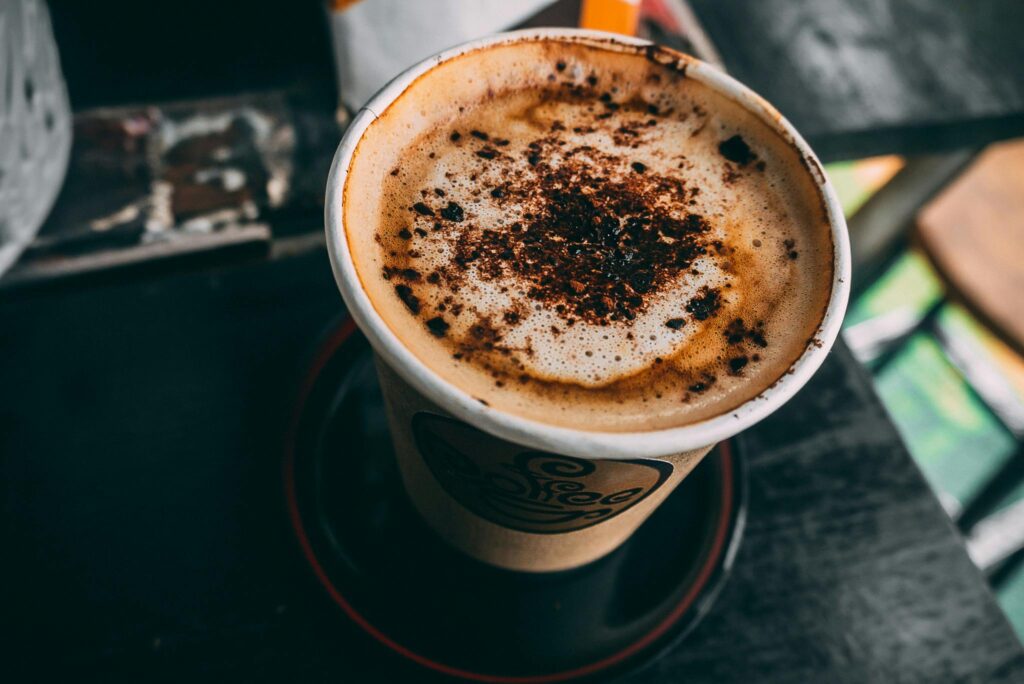
Brazilian coffee is most commonly prepared using simple filter methods.
Cloth filters and paper filters are widely used, producing a clean and balanced cup. The focus is on practicality and repeatability rather than precision brewing techniques.
Espresso is available, particularly in urban cafés, but filter coffee remains dominant in many everyday settings.
This contrasts with countries where espresso defines coffee culture.
Flavour Profile and Preferences
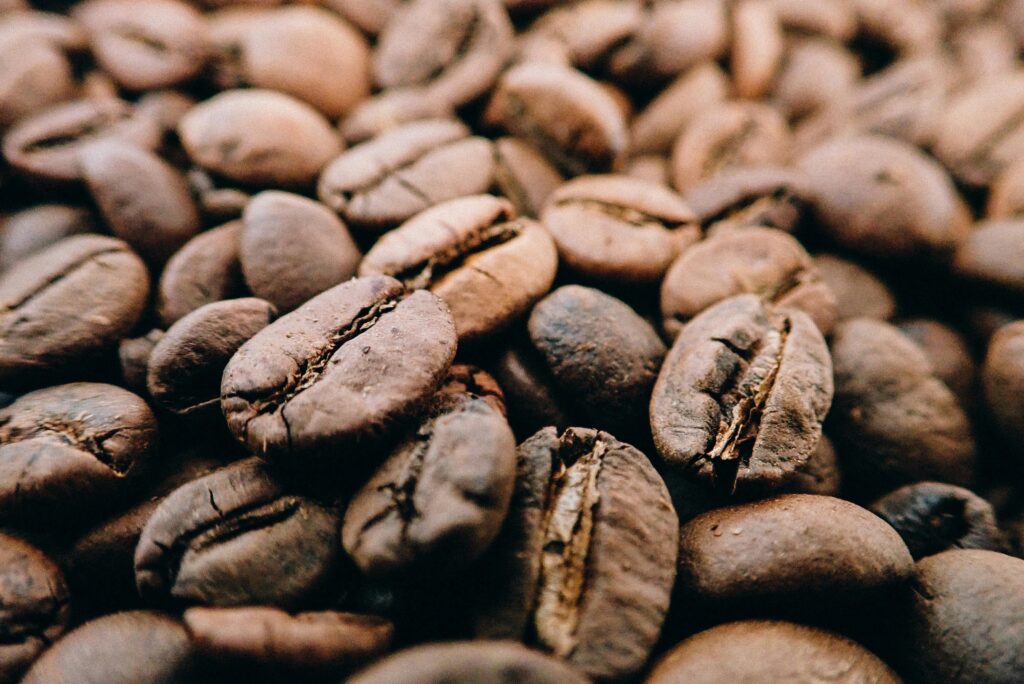
Brazilian coffees are typically associated with:
• Low to medium acidity
• Medium to full body
• Chocolate and nut notes
• Mild sweetness
These characteristics make Brazilian coffee approachable and easy to drink in large quantities.
From a roasting perspective, these profiles work well as a foundation for blends. They provide structure without dominating more expressive coffees.
Click here to try our Brazil Santos
Click here to try our Brazil Yellow Boubron
Click here to try our Brazil Fazenda Boa
And for the decaf lovers, click here to try our Brazilian Happy Capybara Decaf!
Coffee and Hospitality
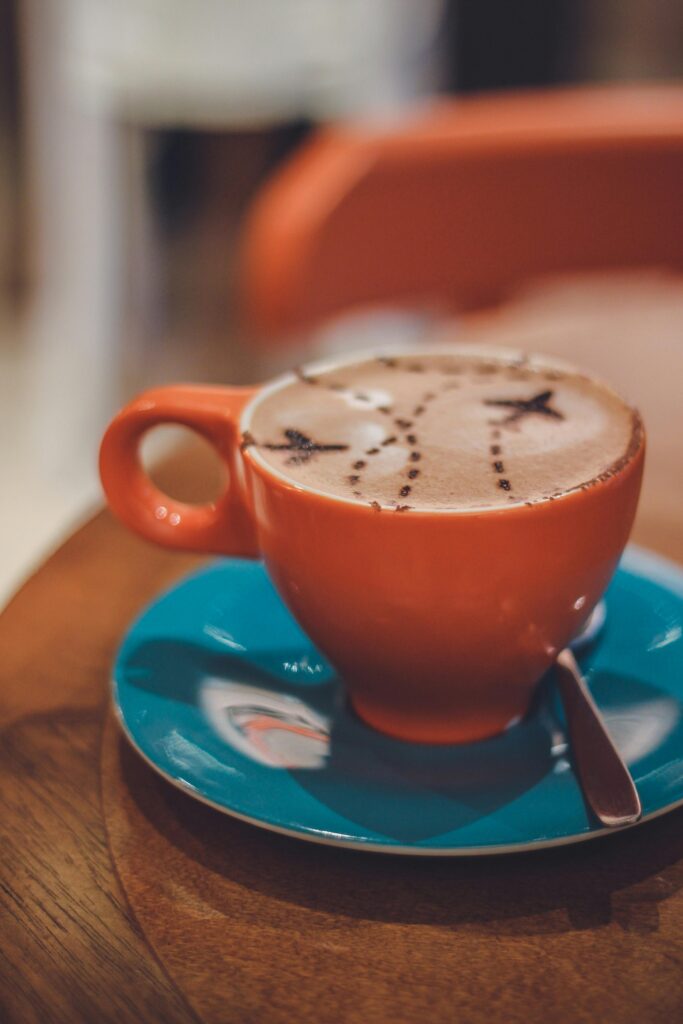
Offering coffee in Brazil is a social norm.
Guests are often served coffee shortly after arriving. In business environments, coffee may be offered during meetings as a sign of welcome.
The act of offering coffee is informal but consistent. It reinforces social connection without requiring ceremony.
Unlike more ritualised cultures, the emphasis is on frequency rather than process.
Modern Coffee Culture
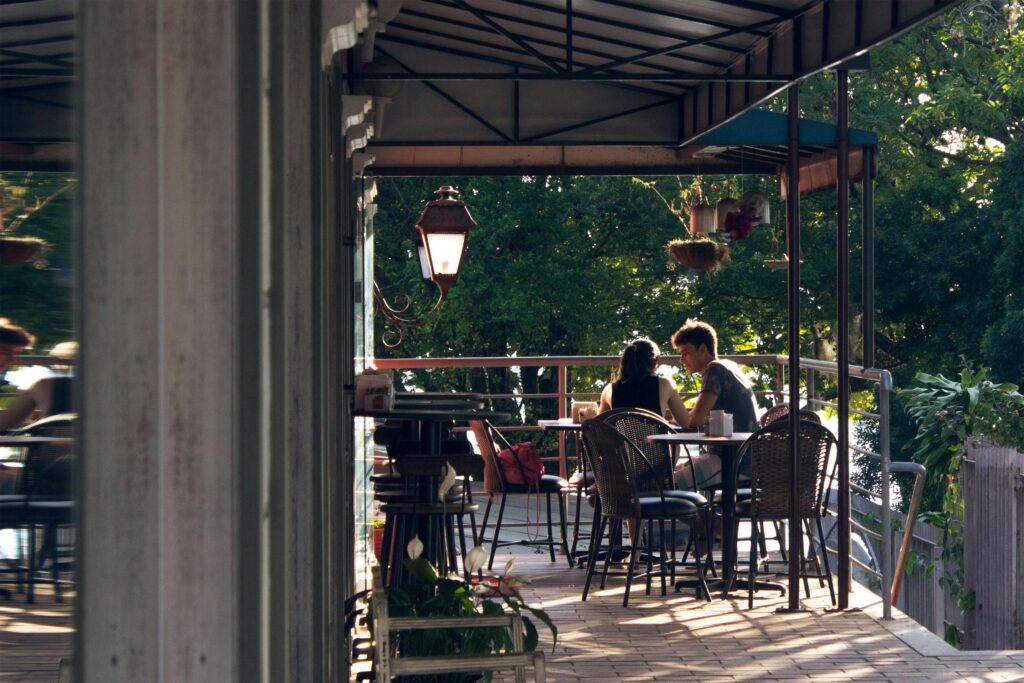
Cities such as São Paulo have seen growth in specialty coffee shops and modern café concepts.
These venues introduce lighter roasts, single origins and alternative brewing methods. However, they exist alongside traditional consumption habits rather than replacing them.
For most people, coffee remains simple and functional.
Specialty coffee in Brazil is growing, but it represents a segment rather than the mainstream.
How Brazilian Coffee Is Best Understood
Brazilian coffee culture developed around availability, scale and routine.
Coffee is produced in large volumes, consumed frequently and served with minimal formality. The cafezinho reflects this approach: small, strong and offered regularly.
While Brazil plays a major role in global coffee production, domestically coffee remains straightforward.
It is not defined by experimentation or ceremony, but by consistency and everyday use.