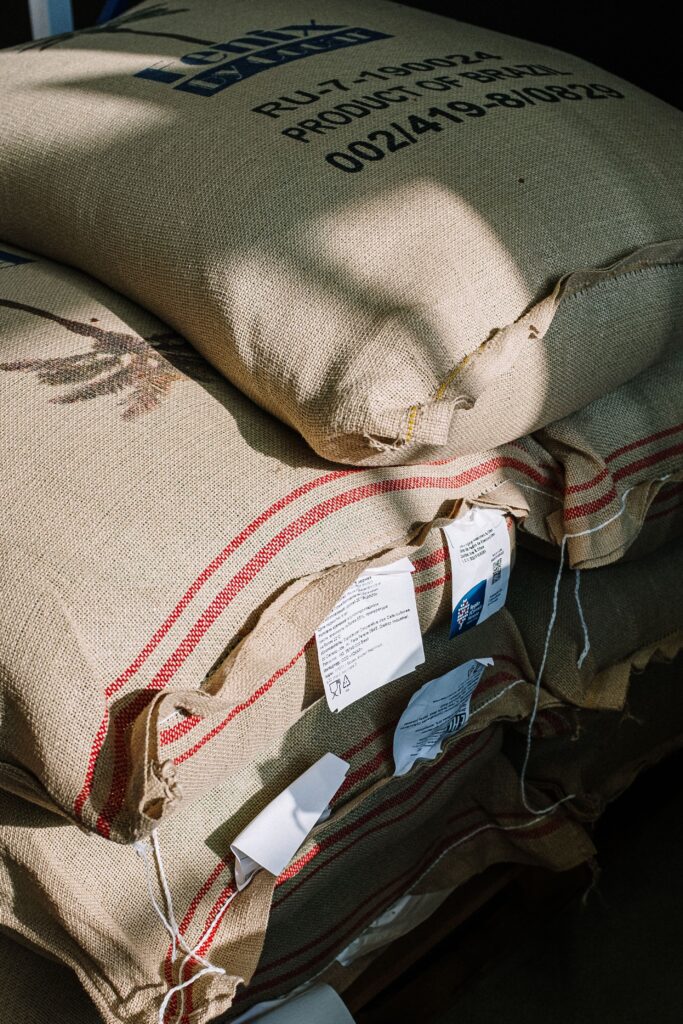
Saudi Arabian coffee culture is strongly tied to hospitality, tradition and social etiquette. Coffee is not typically treated as a casual drink or personal habit. Instead, it plays a central role in welcoming guests and marking social gatherings.
Serving coffee in Saudi Arabia is a gesture of respect and generosity. It reflects long-standing customs that remain visible in both homes and formal settings.
Coffee’s Historical Role in Arabia
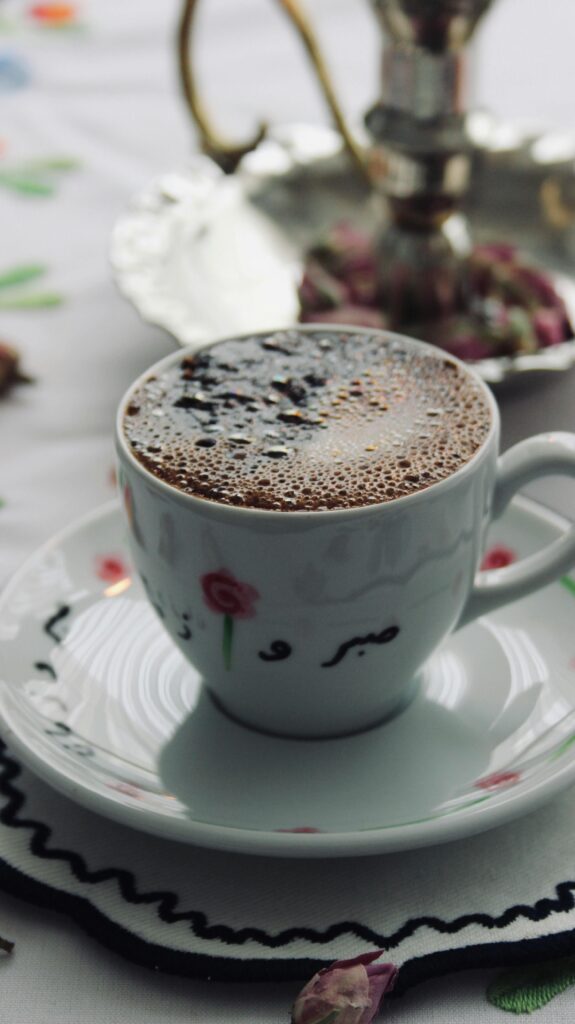
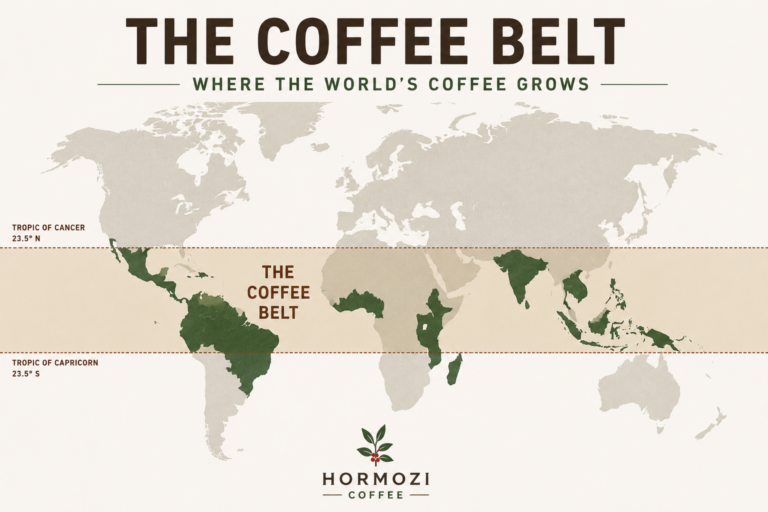
Saudi Arabia sits close to the region where coffee first spread into wider trade networks.
Coffee cultivation began in neighbouring Yemen centuries ago, and from there it moved across the Arabian Peninsula. As coffee travelled, it became integrated into local customs surrounding hospitality and social interaction.
Over time, coffee developed into a symbolic part of Arab culture, particularly in the Gulf region.
The Tradition of Arabic Coffee
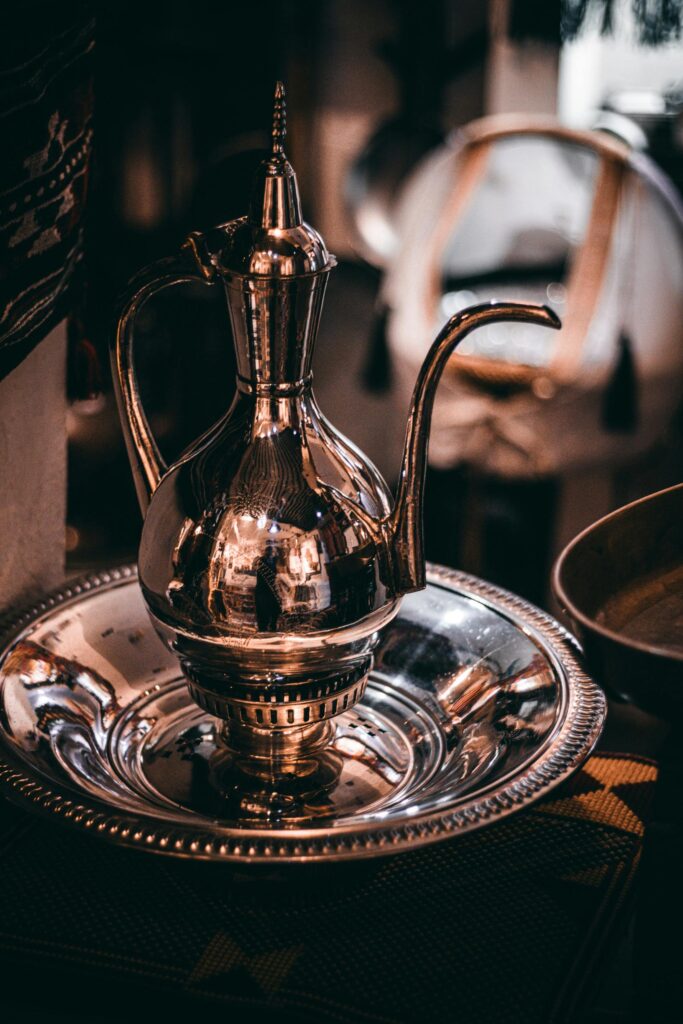
In Saudi Arabia, traditional coffee is known as Arabic coffee, or qahwa.
Unlike the darker Turkish-style coffees common elsewhere in the Middle East, Arabic coffee is usually lighter in colour and brewed with spices. Cardamom is the most common addition, though saffron or cloves may also be used.
The coffee is brewed in a metal pot known as a dallah and served in small handleless cups.
Because the drink is relatively light in body, it is often consumed in multiple small servings during a single visit.
Click here to order Blonde roast now!
Serving Etiquette
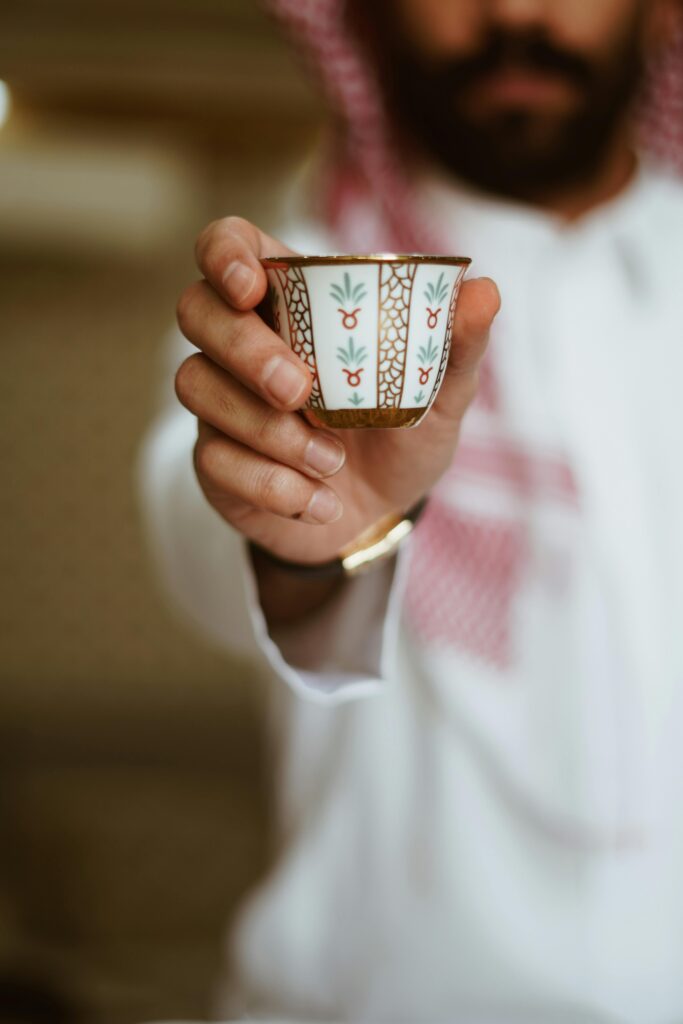
Serving coffee follows specific customs.
The host pours coffee from the dallah into small cups called finjan. Guests are typically served one at a time, starting with the most senior person present.
Cups are filled only partially, allowing guests to drink several rounds if they wish. When finished, a guest gently shakes the cup to signal that they do not want more.
These details reflect the importance of respect and attentiveness within the ritual of serving coffee.
Coffee and Dates
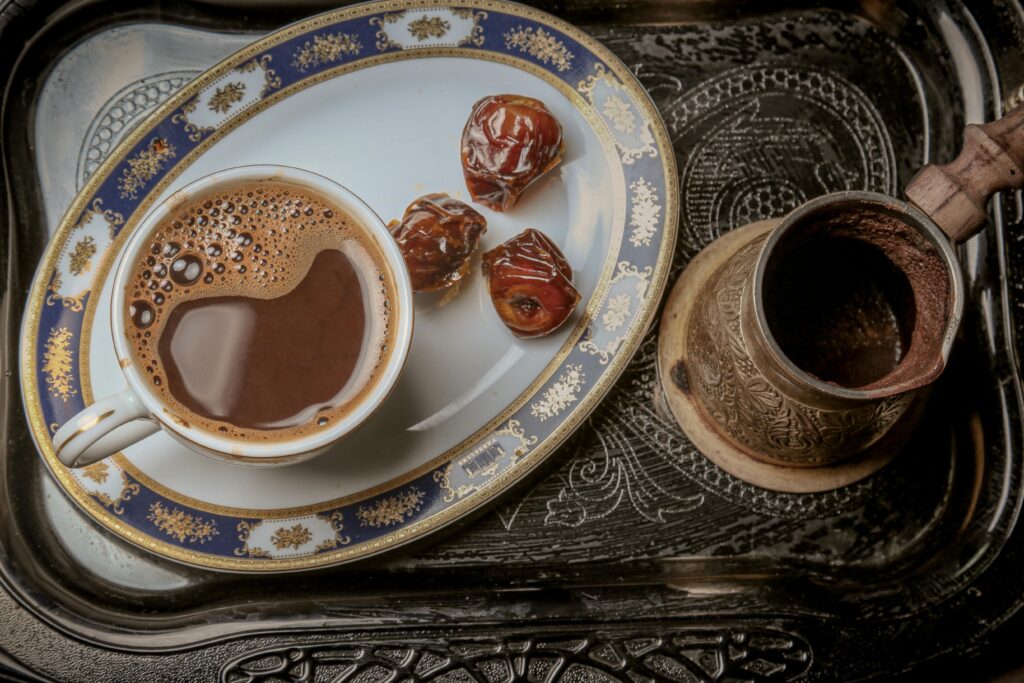
Coffee in Saudi Arabia is frequently served with dates.
The sweetness of dates complements the lightly roasted, spiced coffee and balances its bitterness. This pairing is common in both homes and formal gatherings.
Together, the two form a simple but culturally significant offering to visitors.
Coffee in Social Life
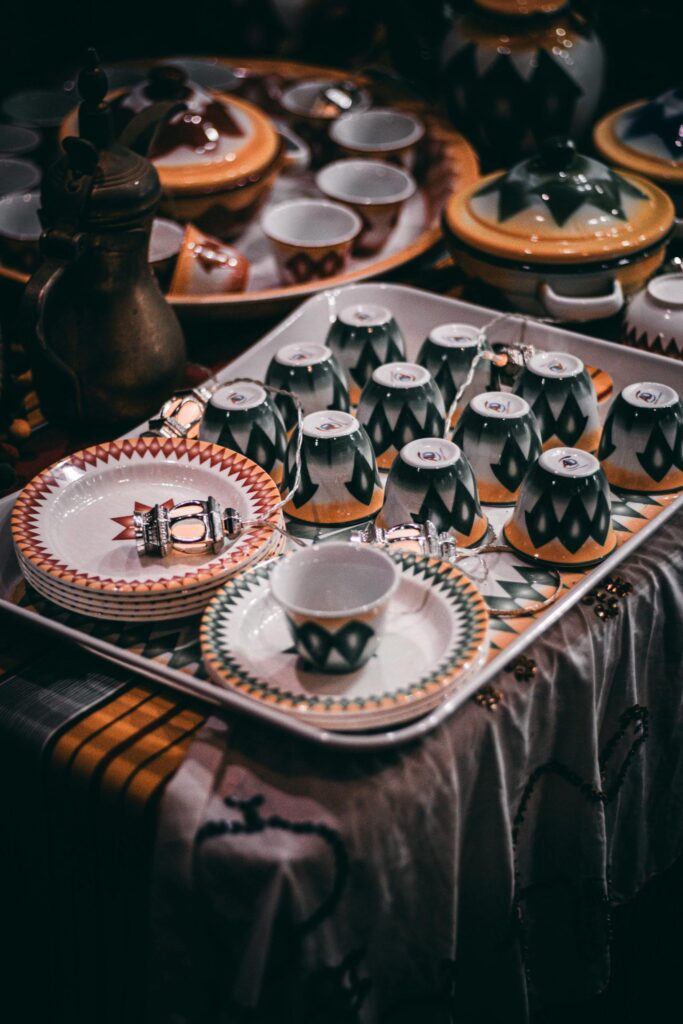
Coffee accompanies a wide range of social occasions.
Family visits, business meetings and celebrations often begin with coffee being served. In some settings, the act of preparing and serving coffee is itself part of the social interaction.
The drink helps establish a welcoming atmosphere and signals hospitality.
Modern Coffee Culture
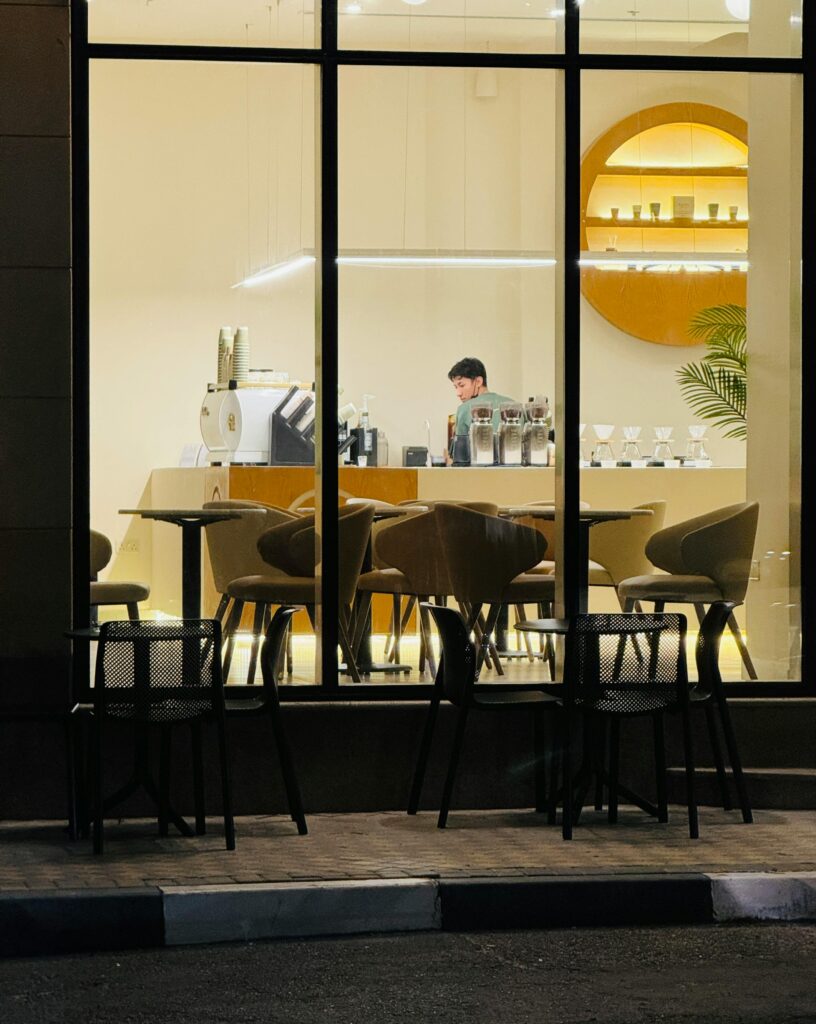
Cities such as Riyadh and Jeddah have seen rapid growth in modern café culture.
Specialty coffee shops, espresso bars and international chains are now common in urban areas. Younger consumers in particular have embraced new brewing methods, lighter roasts and café-style environments.
Despite this expansion, traditional Arabic coffee remains an important cultural reference point.
How Saudi Arabian Coffee Is Best Understood
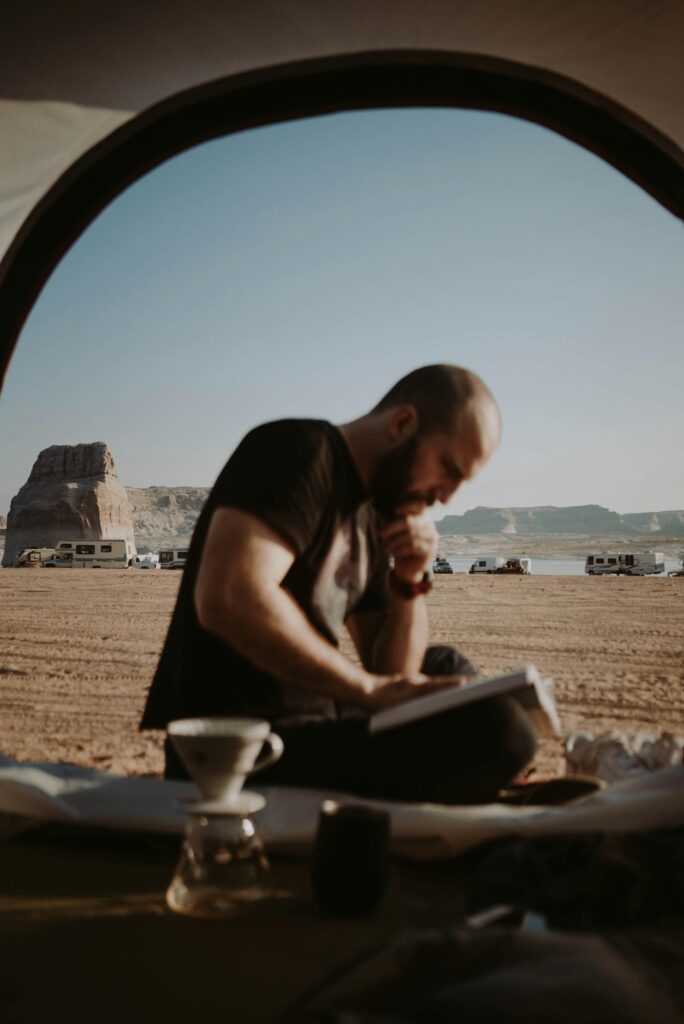
Saudi coffee culture developed around hospitality and social etiquette rather than café commerce.
Coffee is prepared lightly, often spiced, and served repeatedly during conversation. The process of offering and sharing coffee carries as much meaning as the drink itself.
While modern café culture continues to grow in Saudi cities, traditional Arabic coffee remains one of the most recognisable symbols of welcome across the region.