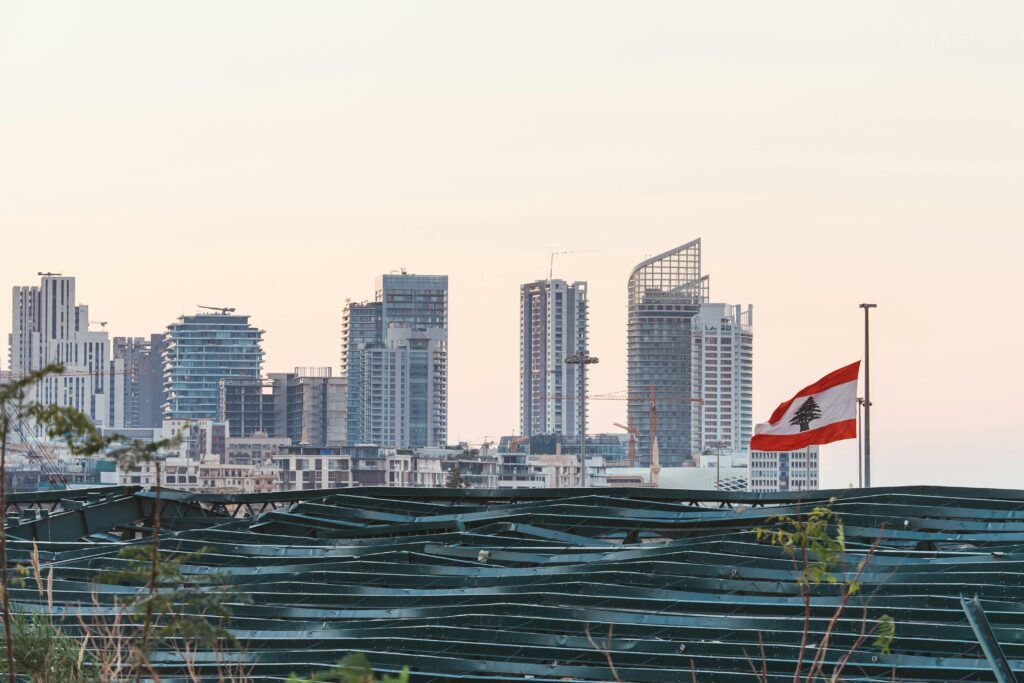
Lebanese coffee culture is defined by hospitality, conversation and strong tradition. Coffee is not treated as a quick drink or a commercial product but as a central part of welcoming guests and maintaining social relationships.
In many Lebanese homes, offering coffee is one of the first gestures of hospitality. Refusing it is uncommon, and accepting it signals participation in the social moment.
Coffee in Lebanon is therefore less about café trends and more about everyday cultural practice.
Historical Roots
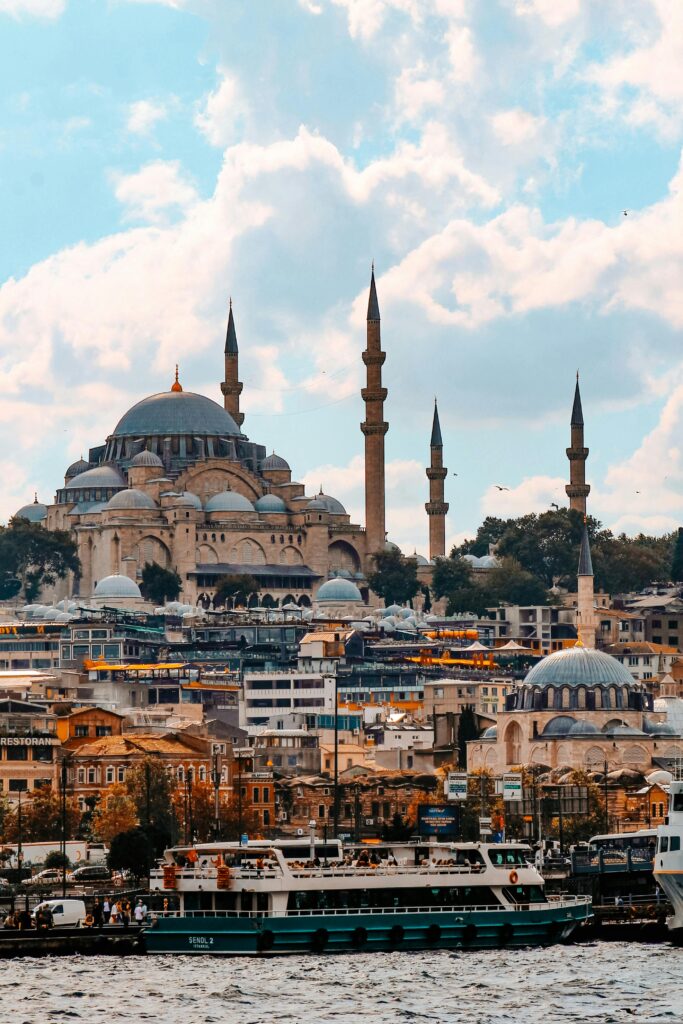
Lebanon encountered coffee through the wider Ottoman world, where coffee had already become an established part of daily life.
As trade routes and cultural influences spread across the Eastern Mediterranean, coffee preparation methods and café traditions travelled with them.
Over time, these influences developed into what is now recognised as Lebanese coffee culture. While it shares similarities with neighbouring countries, it has its own customs, serving styles and expectations around hospitality.
Preparation Style
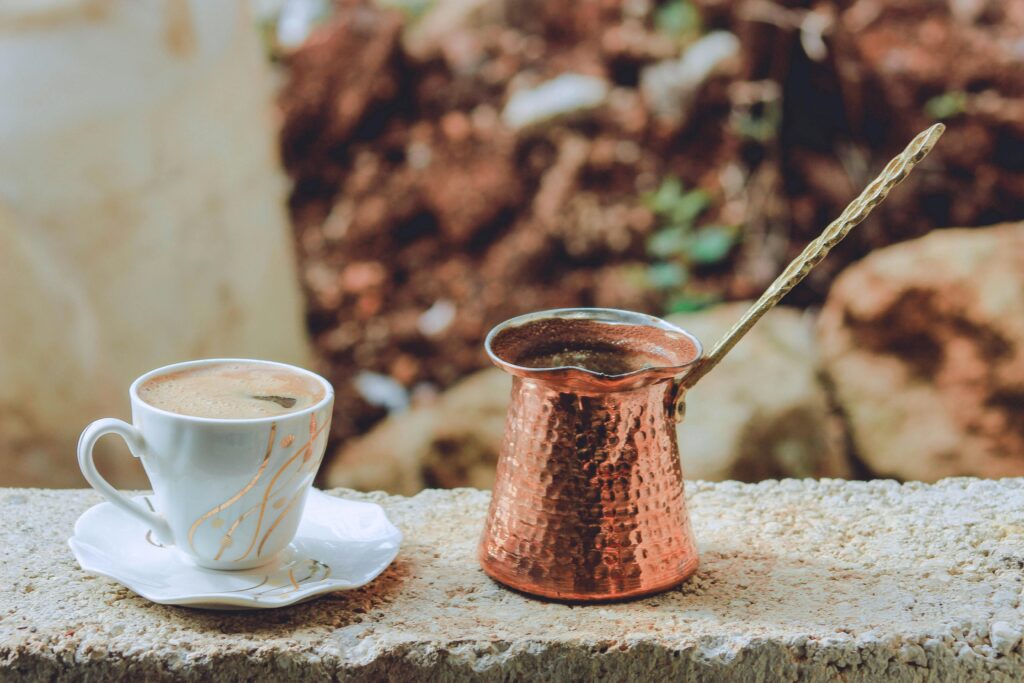
Lebanese coffee is typically prepared in a way similar to Turkish coffee.
Very finely ground coffee is simmered slowly in water, usually in a small pot known as a rakwe or cezve. The coffee is then poured directly into small cups without filtering.
Because the grounds remain in the cup, the drink is thick, strong and concentrated. The texture is heavier than most Western brewing methods, and the flavour is intense.
The coffee is designed to be sipped slowly rather than consumed quickly.
Click here to order Turkish coffee now!
Sweetness Preferences

Coffee in Lebanon is commonly prepared with sugar during brewing rather than added afterwards.
Orders are typically described according to sweetness level:
Sada – no sugar
Mazbout – medium sweetness
Helwe – sweet
This system allows the coffee to be balanced during preparation rather than adjusted later.
Coffee and Hospitality
Serving coffee is a central part of hospitality in Lebanese culture.
Guests are often offered coffee shortly after arriving. It may accompany conversation, desserts or family gatherings. Even short visits frequently include coffee as a gesture of respect and welcome.
In larger social gatherings, coffee may be served repeatedly as people arrive and depart.
The act of serving coffee therefore carries social meaning beyond the drink itself.
Coffee Houses and Urban Life
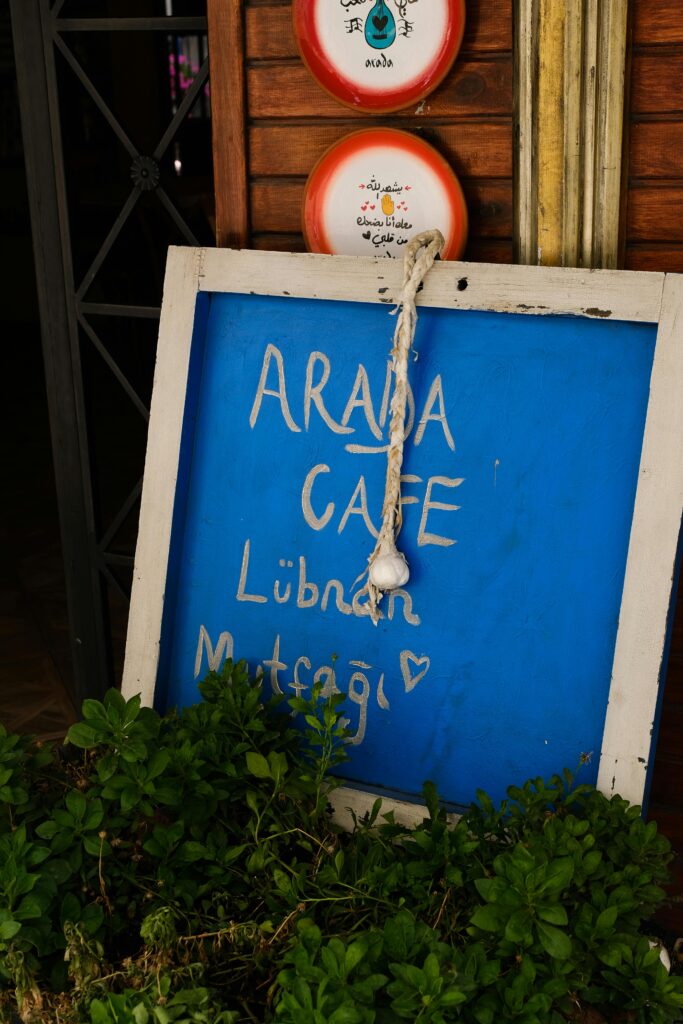
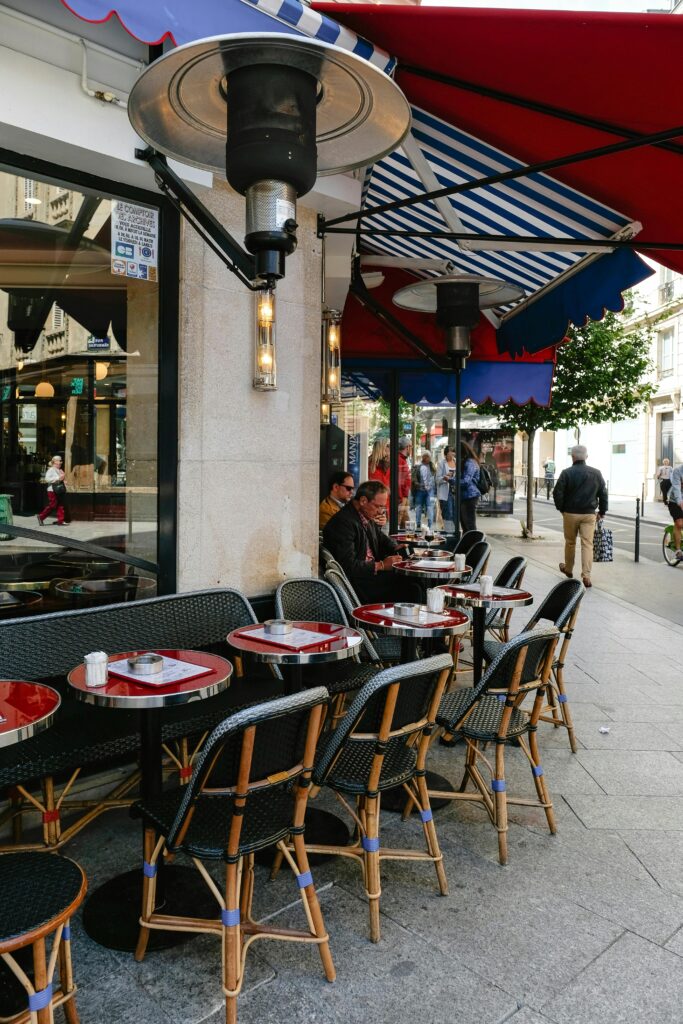
Cities such as Beirut host a wide range of cafés, from traditional neighbourhood spots to modern espresso bars.
Traditional cafés emphasise conversation and slow service. Customers may spend long periods sitting with friends, discussing daily life, politics or family matters.
Modern cafés, influenced by European and global coffee culture, now serve espresso drinks, speciality beans and contemporary brewing methods.
Both forms of coffee culture exist side by side.
Modern Lebanese Coffee Culture
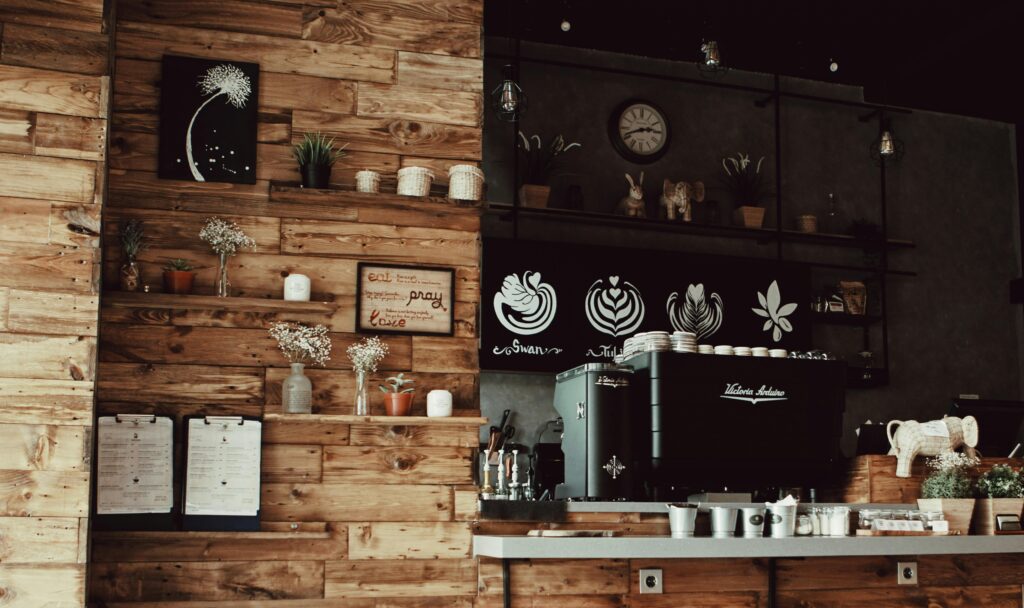
Younger urban consumers increasingly engage with global specialty coffee trends. Espresso-based drinks, latte art and lighter roasted coffees are more visible in major cities than they were a decade ago.
However, traditional Lebanese coffee remains culturally important. It continues to represent hospitality, family and everyday conversation.
Rather than disappearing, the traditional style exists alongside newer café formats.
How Lebanese Coffee Is Best Understood
Lebanese coffee culture developed around hospitality rather than commerce.
Coffee is prepared strong, served in small cups and shared during conversation. Its role is not simply to provide caffeine but to facilitate social connection.
While modern cafés have introduced new brewing styles and international influences, the traditional cup of Lebanese coffee remains a symbol of welcome and community.