If you’ve ever wondered where coffee grows, the answer isn’t simply “hot countries.” Coffee is grown in a relatively narrow band around the equator known...

Hot chocolate flakes are already a step above standard drinking chocolate. They melt more naturally, produce a thicker texture and tend to deliver a more balanced flavour. But like coffee, the result still depends heavily on how they are prepared.
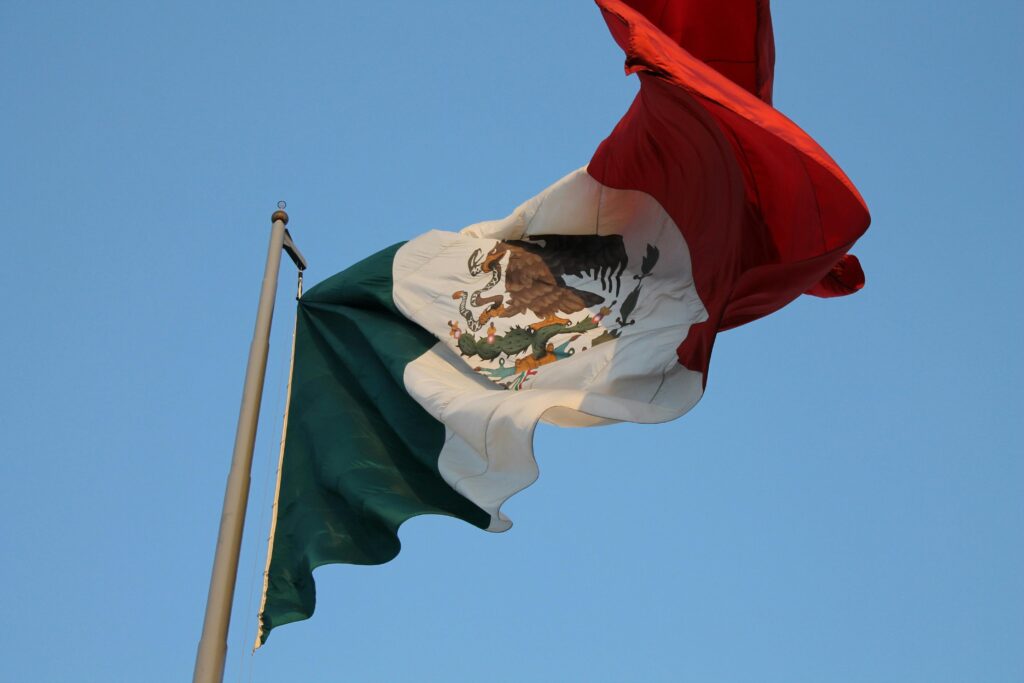
Mexican coffee culture is shaped by tradition, accessibility and regional identity. Unlike countries where coffee is defined by café standards or export reputation, Mexico’s relationship with coffee is rooted in domestic preparation and everyday consumption. Coffee is widely consumed, often
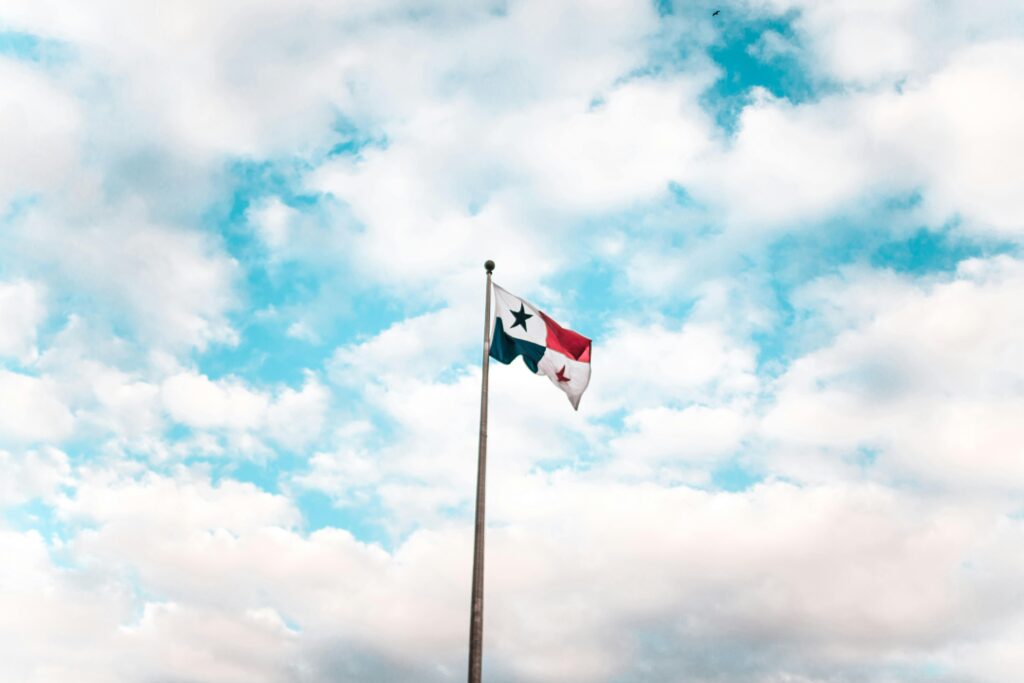
Panamanian coffee culture is often associated with rarity, precision, and high value. Unlike larger producing countries where coffee is defined by scale or routine consumption, Panama’s reputation is built on small production volumes and exceptional quality. Coffee in Panama is
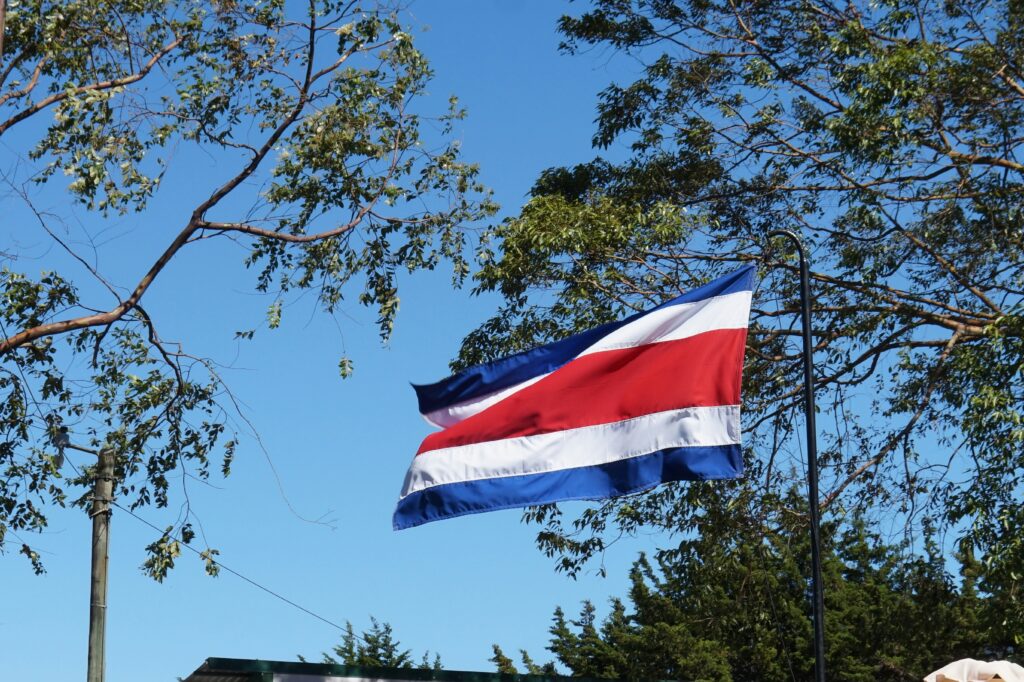
Costa Rican coffee culture is often associated with quality, structure and consistency. That reputation is not accidental. It is the result of deliberate regulation, controlled production and a long-standing focus on arabica coffee. Unlike countries where coffee culture is shaped
Kenyan coffee culture is often associated with intensity, clarity and high acidity. That reputation is accurate, but it reflects how coffee is produced and traded rather than how it is traditionally consumed. Unlike many countries where coffee culture is defined
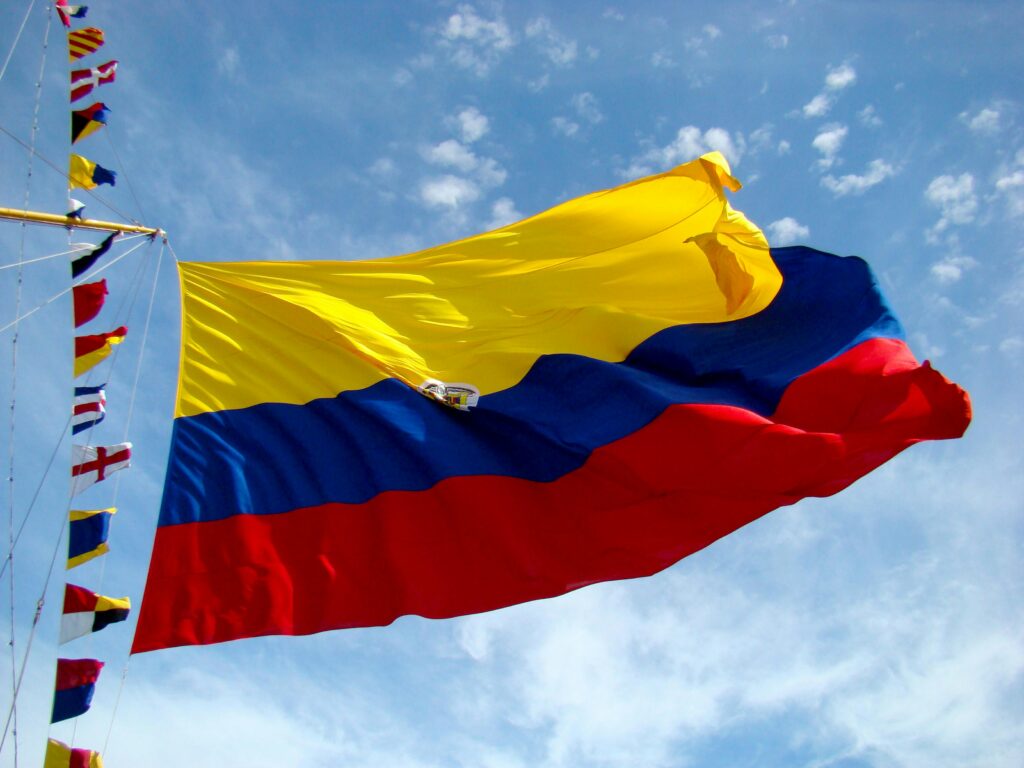
Colombian coffee culture is closely tied to identity, agriculture and global reputation. Unlike countries where coffee is primarily consumed as a social ritual, in Colombia coffee is both a national product and a source of pride. It is grown across

