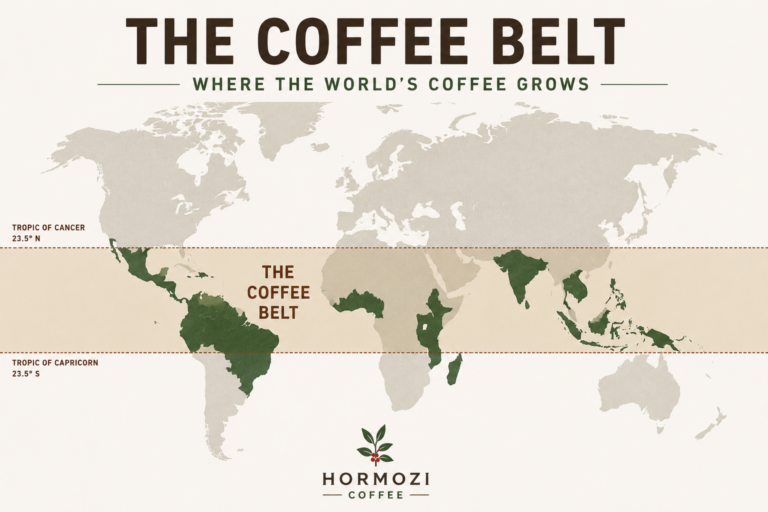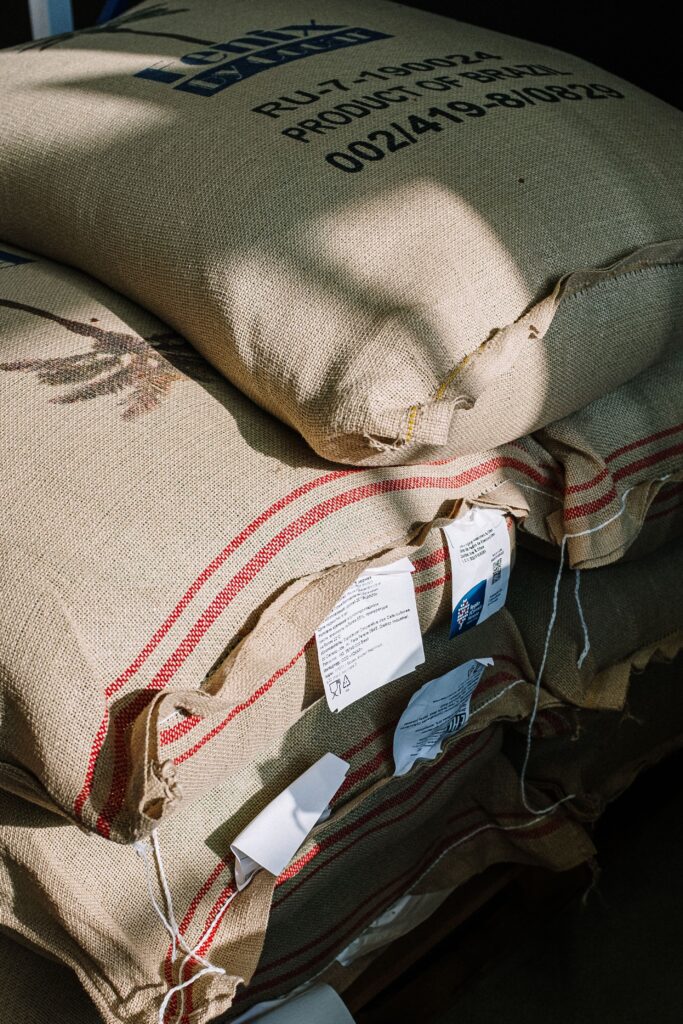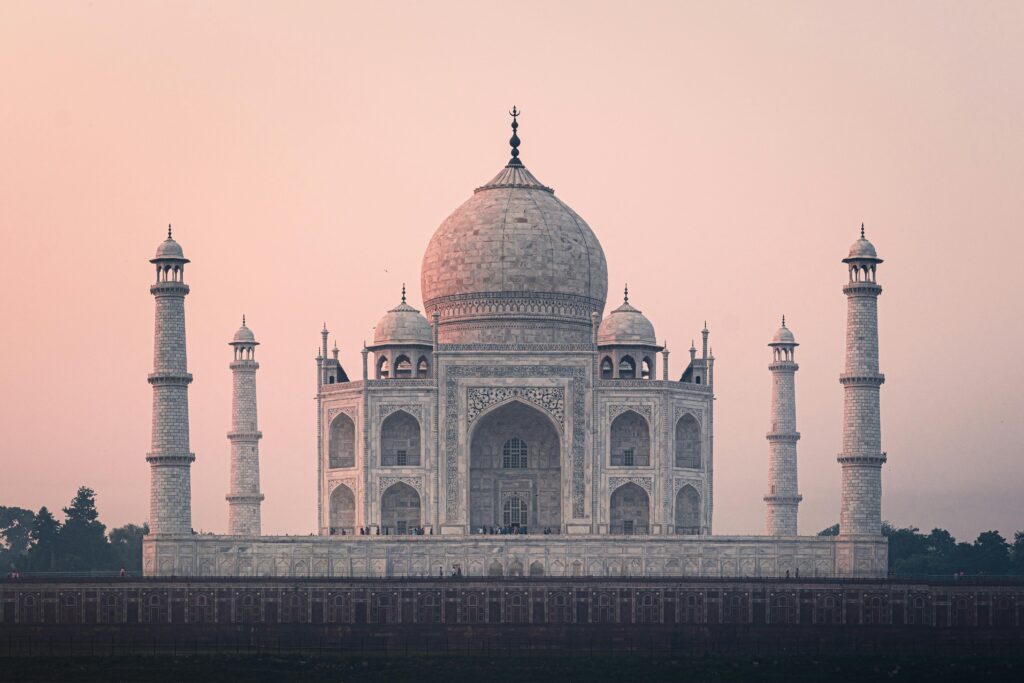
India is one of the world’s major coffee-producing countries, but its coffee culture is often overlooked or misunderstood outside the region.
That is partly because India’s relationship with coffee has developed differently from countries where coffee became a dominant everyday drink. In India, coffee is both agricultural and regional rather than nationally uniform.
Coffee Is Not India’s Primary Hot Drink
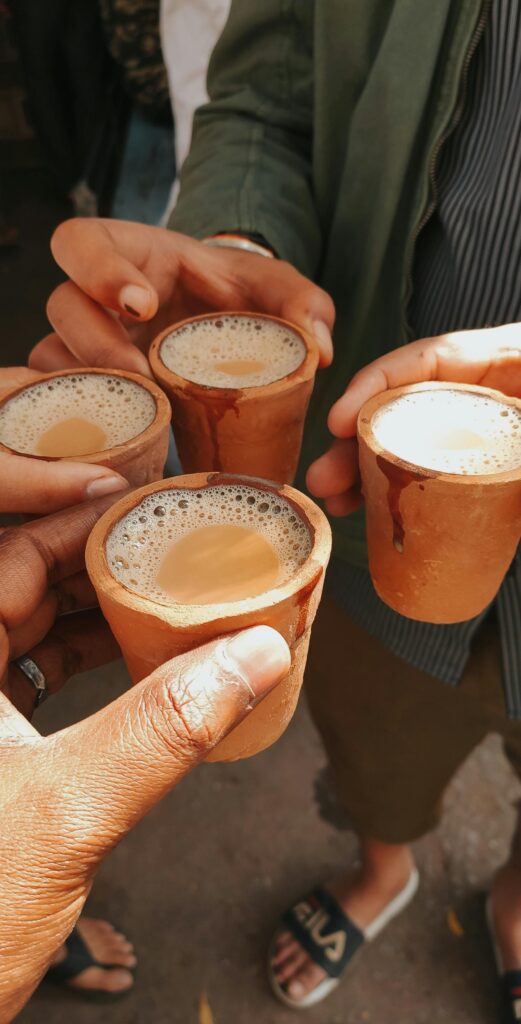
India has not historically been a coffee-drinking country as a whole.
Tea has been the dominant hot beverage for much of modern Indian history, particularly from the nineteenth century onwards. Coffee was present, but it remained regionally concentrated rather than widespread.
This distinction matters. Coffee in India developed quietly, alongside tea, rather than replacing it.
Coffee Production Came First, Consumption Came Later
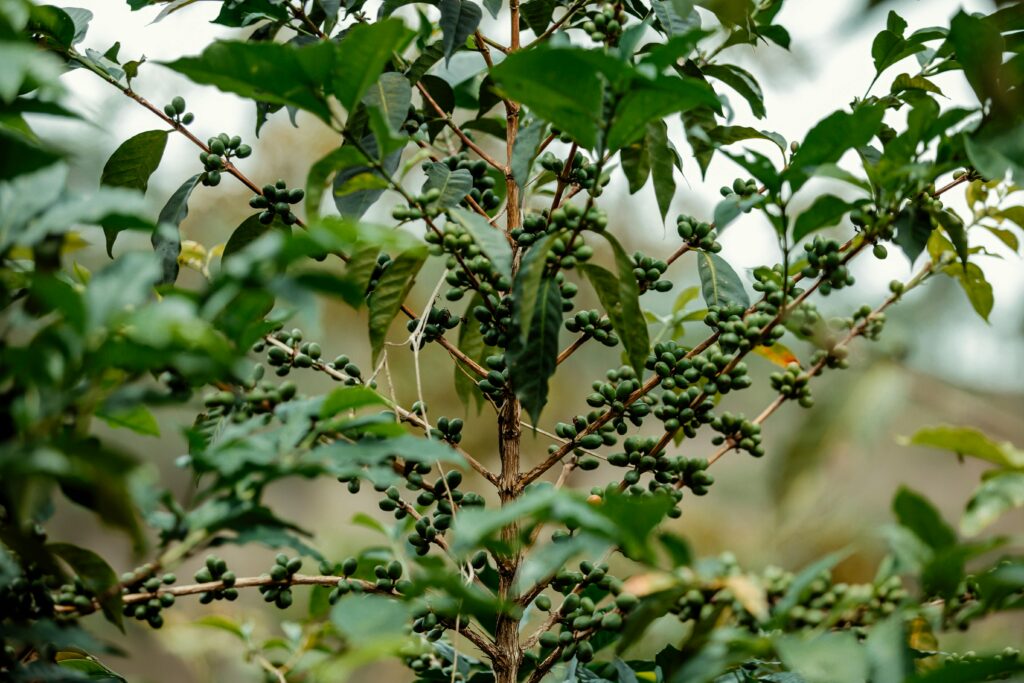
India’s importance in coffee is primarily agricultural.
Coffee cultivation began in southern India in the seventeenth century and expanded under colonial trade networks. Over time, India became a significant producer of both Arabica and Robusta coffee, much of it grown for export.
The industry is overseen by bodies such as the Coffee Board of India, which supports growers, research and quality standards.
For much of the twentieth century, a large proportion of Indian coffee was exported rather than consumed domestically.
Southern India Is the Centre of Coffee Culture
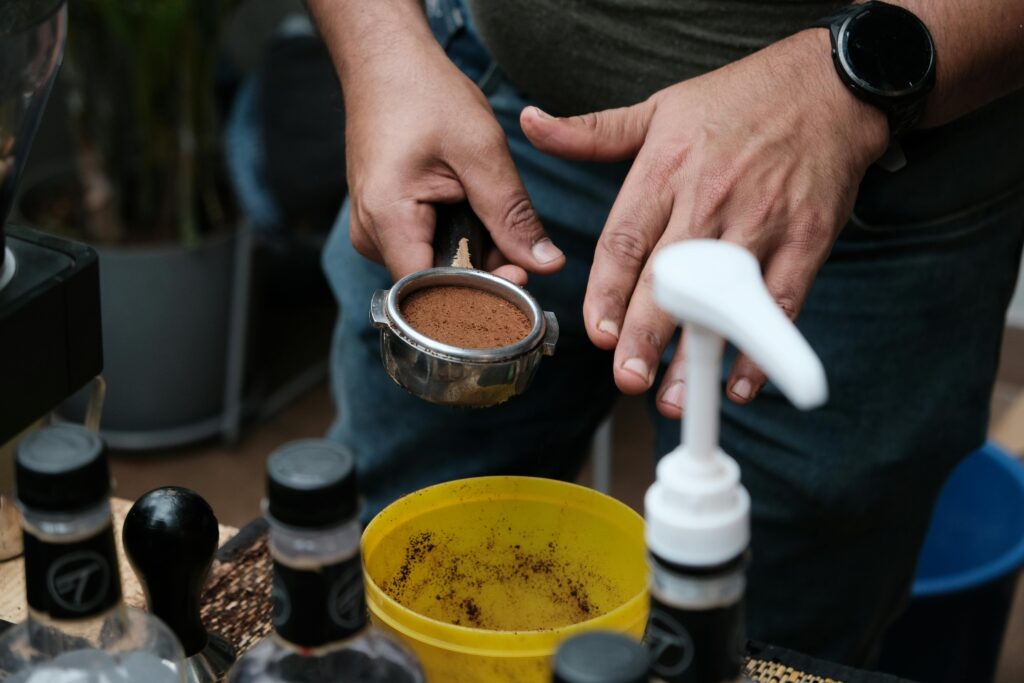
Coffee drinking in India is strongly regional.
It is most closely associated with the southern states, particularly Karnataka, Kerala and Tamil Nadu. Within these regions, coffee has long been part of daily life.
Areas such as Chikmagalur and Coorg are among the most established coffee-growing regions in the country.
Outside the south, tea has traditionally been more common, though this has begun to change in urban areas.
How Coffee Is Traditionally Drunk in India
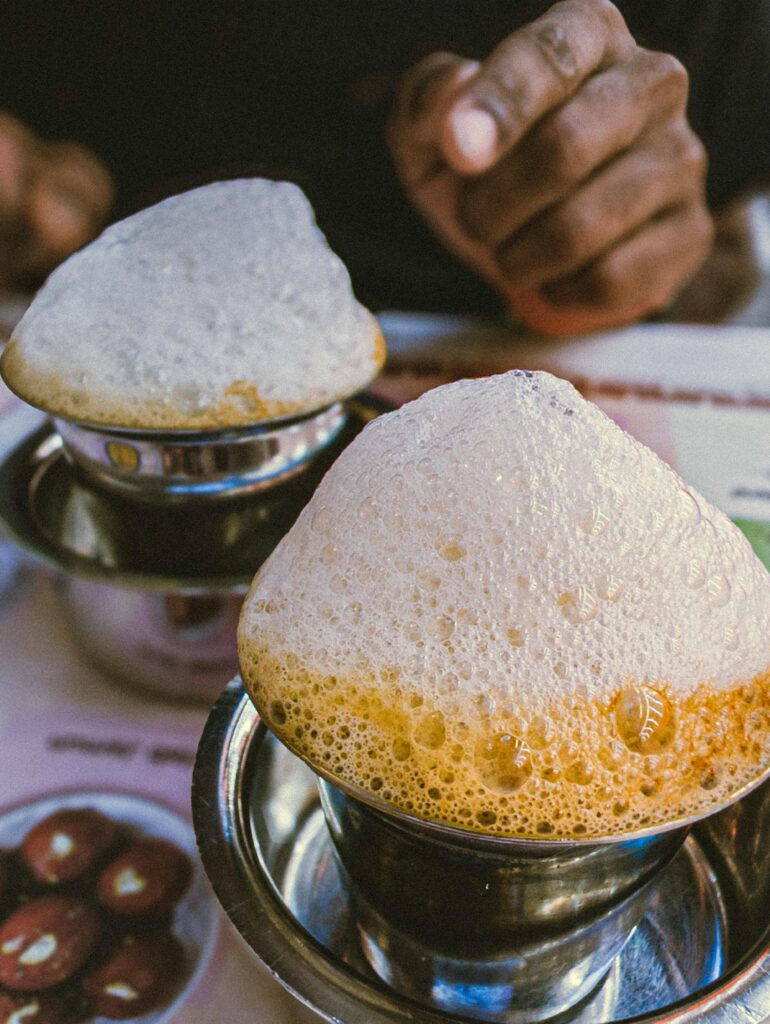
One of the most distinctive aspects of Indian coffee culture is its preparation.
South Indian filter coffee is typically:
- Brewed strong using a metal filter
- Made with a blend of coffee and chicory
- Mixed with hot milk and sugar
- Served in a tumbler and saucer
This style developed to suit local tastes and available ingredients. Chicory was often added to increase body and bitterness and to stretch supply during periods when coffee was scarce or expensive.
The result is a coffee that is milky, robust and designed to be drunk hot rather than sipped slowly.
Coffee as a Domestic Drink
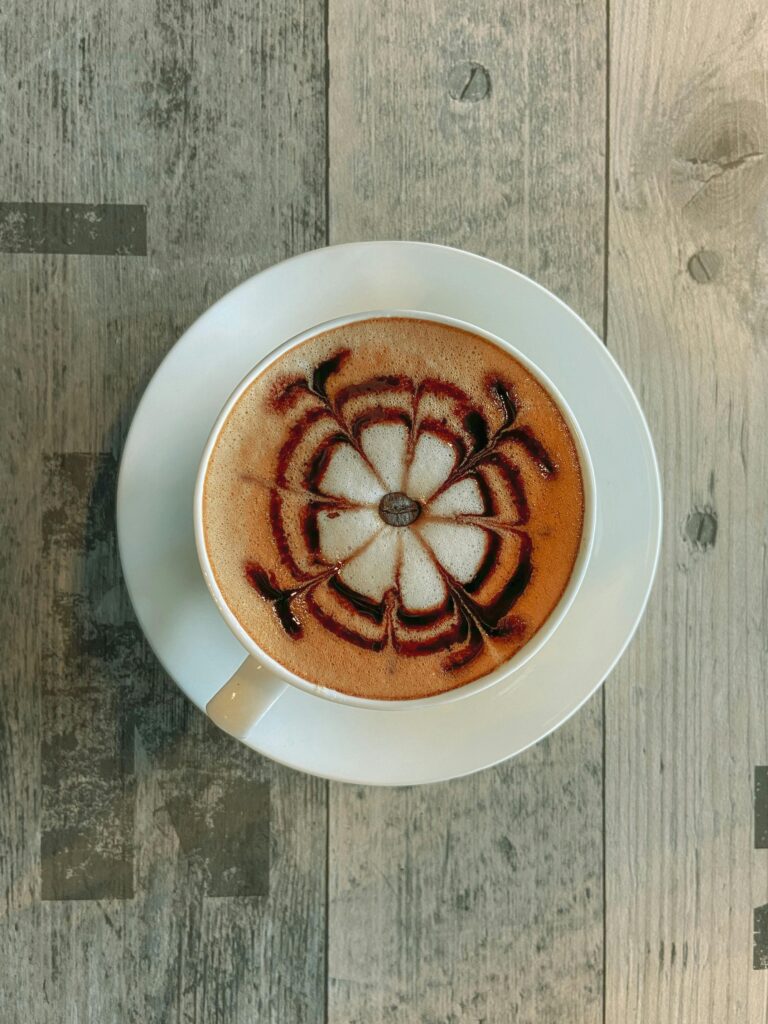
Unlike café-led cultures, traditional Indian coffee culture has been primarily domestic.
Coffee was prepared at home and shared within households rather than consumed in public spaces. This contrasts with espresso-based cultures that developed around cafés and social settings.
Because of this, coffee in India became associated with routine and familiarity rather than experimentation or variety.
Modern Cafés and Urban Change

In recent decades, coffee consumption in India has expanded beyond its traditional regions.
Urbanisation, rising incomes and exposure to international café culture have led to the growth of modern coffee shops in major cities. These cafés often serve espresso-based drinks similar to those found elsewhere, alongside traditional options.
This newer café culture exists alongside, rather than replacing, established home-brewing traditions.
Indian Coffee as a Product
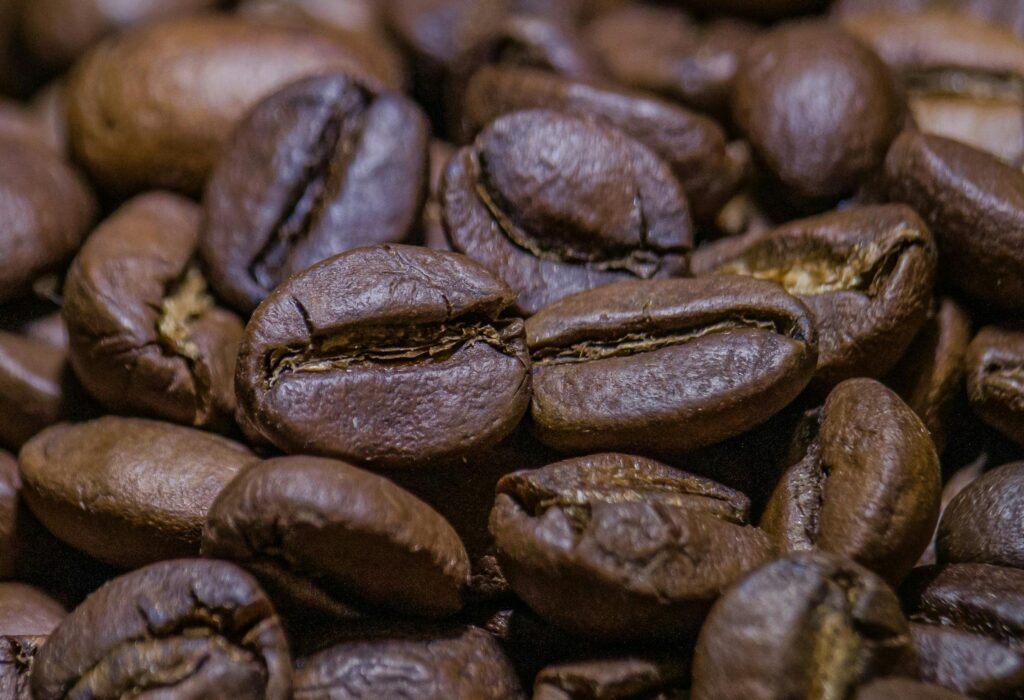
From a production perspective, India is known for:
- Shade-grown coffee
- Biodiversity-rich plantations
- Both Arabica and Robusta cultivation
Indian coffees are often described as lower in acidity with earthy, spicy or nut-like characteristics, though flavour varies significantly by region, processing and roast.
Historically, much Indian coffee was used in blends, but interest in origin-specific Indian coffees has increased internationally in recent years.
We stock a variety of delicious Indian coffees:
India Cherry AA
India Monsoon Robusta
India Ratnagiri
How Indian Coffee Is Best Understood
Indian coffee culture is not singular.
It is regional, domestic and shaped by agricultural history as much as by taste. Coffee has long been part of everyday life in some parts of India, while remaining secondary in others.
Rather than following a single model, Indian coffee reflects the country’s wider diversity. It exists comfortably alongside tea, adapts to local habits, and continues to evolve without abandoning its established forms.