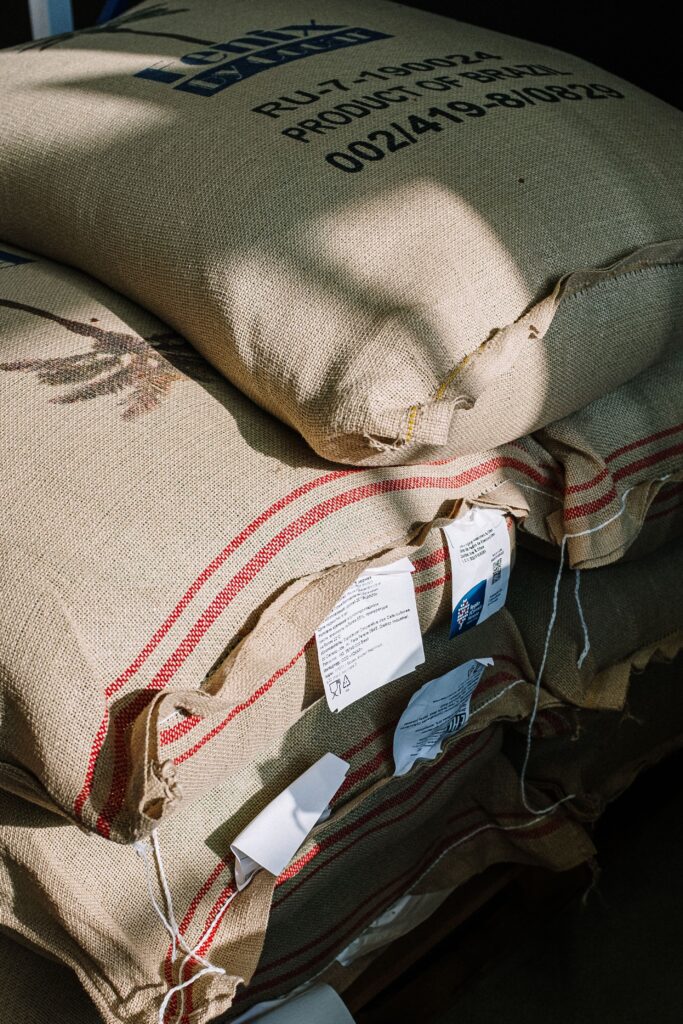
Natural processed coffee beans, also known as dry processed beans, represent one of the oldest and most intriguing methods of coffee preparation. With roots tracing back centuries to Ethiopia—the birthplace of coffee—this method has stood the test of time. Today, natural processing is celebrated not just for its practicality in arid regions but for the vibrant, fruit-forward flavors it imparts to coffee. As the specialty coffee world evolves, naturals have re-emerged as both a nod to tradition and a frontier of innovation.
Understanding the Natural Process
Unlike the washed (wet) method, where coffee cherries are depulped and fermented to remove mucilage before drying, the natural process skips water altogether. Instead, ripe cherries are dried whole—pulp, skin, and all—under the sun for weeks. This simple, low-water technique allows sugars and fruit acids from the pulp to infuse into the beans, creating complex, layered flavors.
The method involves four key stages:
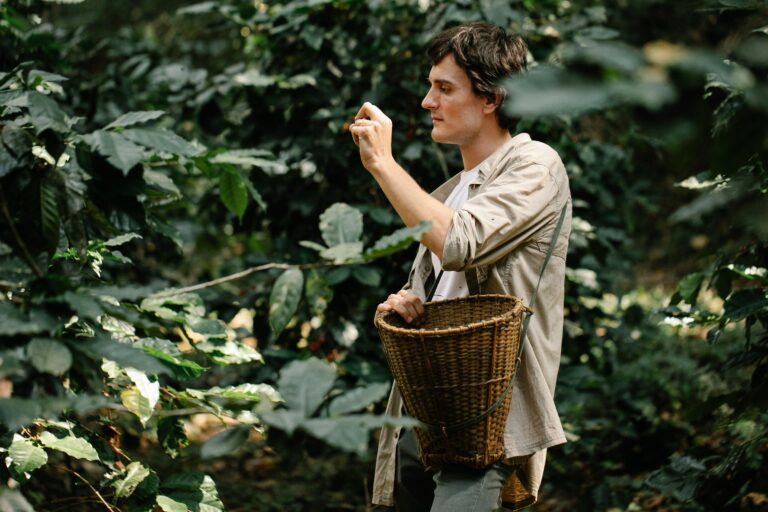
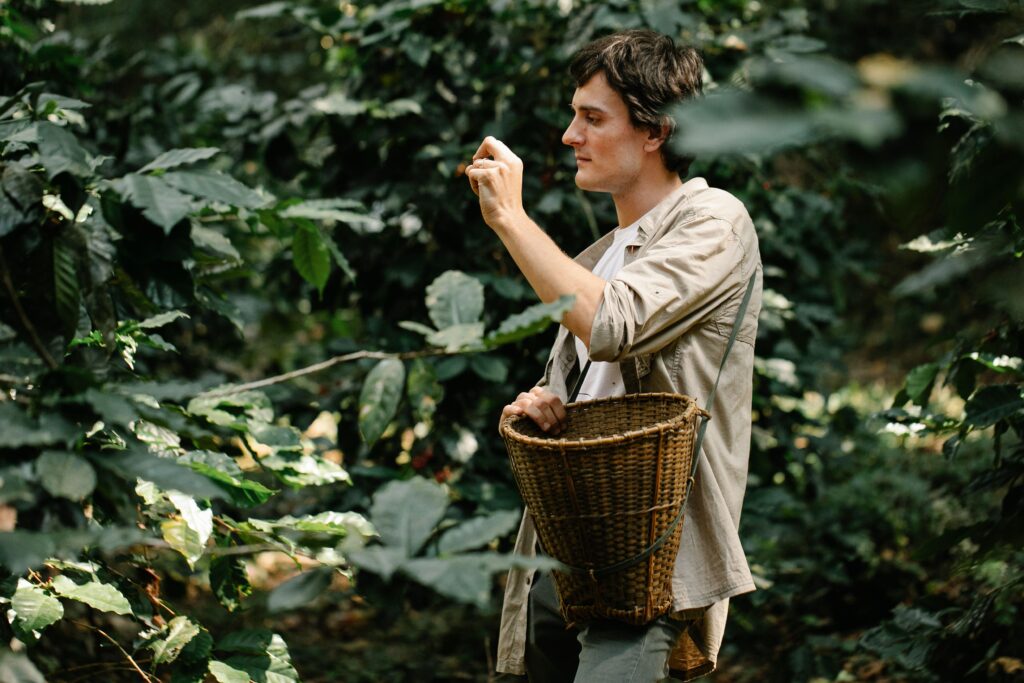
- Harvesting: Only the ripest cherries are selected. Inconsistent picking leads to flavor defects.
- Drying: Cherries are spread on raised beds or patios and turned regularly to prevent fermentation hotspots, mold, or rot.
- Hulling: Once fully dried, the outer fruit layers are mechanically removed to reveal the green beans inside.
- Sorting and Grading: Beans are sorted by density, size, and quality before roasting.
Natural processing requires meticulous attention, especially during drying, where poor practices can ruin entire batches. But when done right, the rewards are remarkable.

Flavor Profile and Cup Characteristics
Natural processed coffees are known for their bold, expressive profiles. Because the beans dry within the fruit, they absorb sugars and acids that elevate their flavor complexity.
Common tasting notes include:
- Blueberry, strawberry, raspberry
- Tropical fruits like mango, papaya, or pineapple
- Winey or fermented undertones
- Syrupy body and velvety mouthfeel
- Lower acidity, but balanced by sweetness
The result is often a cup that bursts with aroma and exotic fruit character, distinguishing naturals from their washed counterparts, which tend to be cleaner and brighter.
Regions and Notable Examples
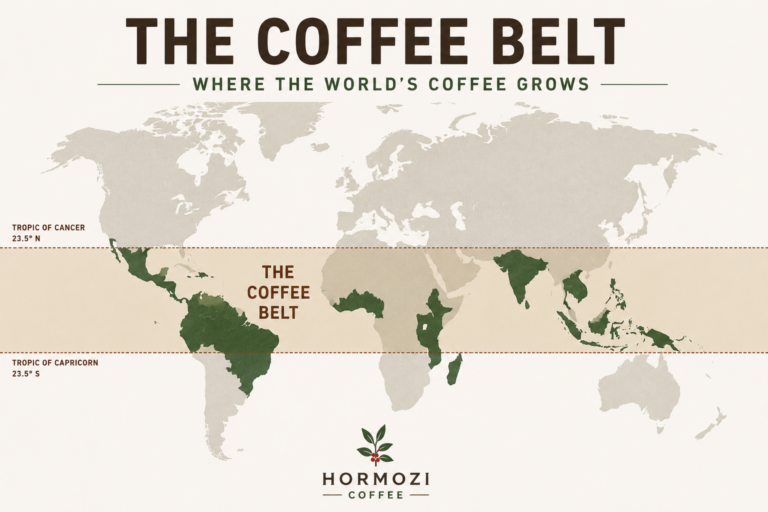
- Ethiopia: The birthplace of coffee is home to legendary natural-processed beans, especially from regions like Djimmah and Yirgacheffe. These coffees are often intensely aromatic with blueberry, jasmine, and citrus notes.
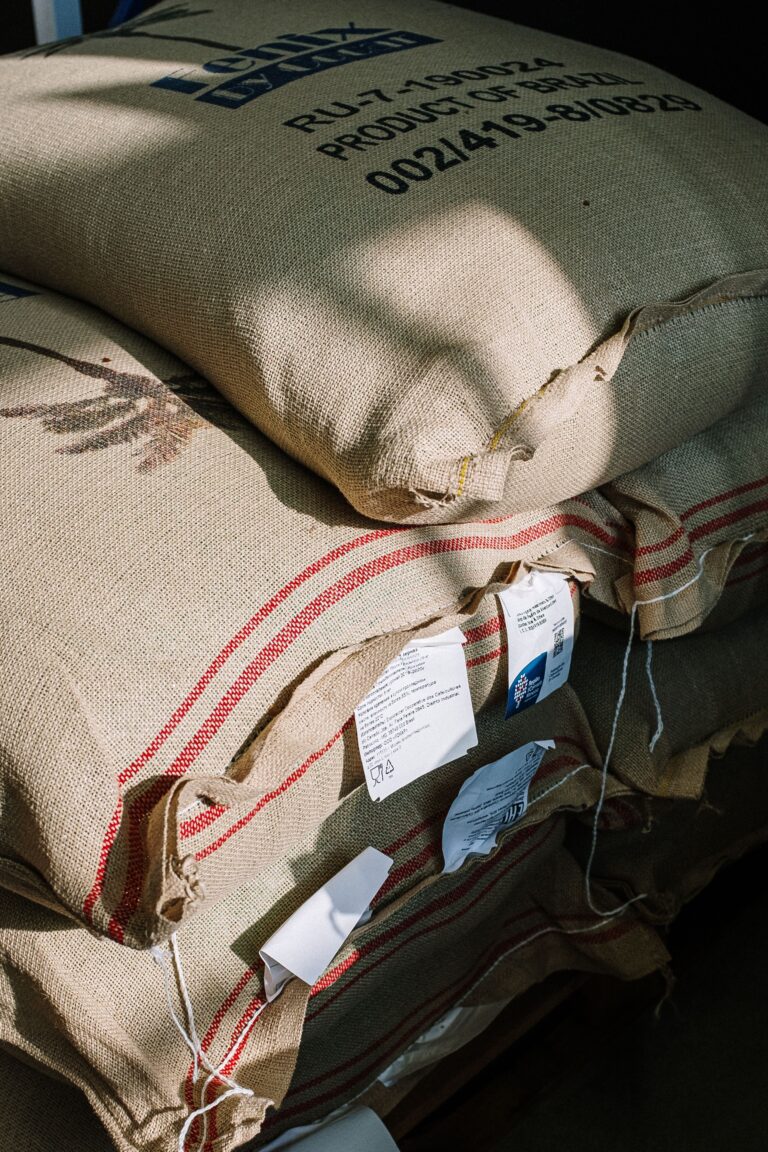
- Brazil: As the world’s largest coffee producer, Brazil relies heavily on natural processing. The result is typically low-acid, full-bodied coffee with notes of chocolate, nuts, and subtle fruit.
- Guatemala: Known historically for washed coffees, Guatemala has recently embraced experimental natural processing—especially in regions like Huehuetenango and Atitlán. These naturals exhibit bright red fruit, tropical notes, a creamy mouthfeel, and balanced structure, offering a fresh take on Central American terroir.
Each region brings distinct influences to the cup—altitude, varietal, soil, and climate all shape the final flavor.

Pros and Cons of Natural Processing
Advantages:
- Flavor intensity: The process enhances sweetness, fruitiness, and body.
- Water conservation: Requires little to no water—ideal for dry environments.
- Consumer appeal: Unique flavors attract specialty coffee enthusiasts.
Challenges:
- Risk of inconsistency: Fermentation must be carefully controlled to avoid off-flavors.
- Labor and space demands: Requires careful drying, regular turning, and extended time.
- Weather vulnerability: Rain or humidity during drying can spoil an entire batch.
The Role of Naturals in Specialty Coffee
In the third wave coffee movement, where transparency, craftsmanship, and traceability are key, naturally processed coffees have become increasingly sought after. Roasters often highlight naturals as single-origin offerings to showcase a farm’s unique profile and processing skill.
Competitions like the Cup of Excellence regularly feature naturals among top scorers, and advances in fermentation science—like anaerobic and carbonic maceration—are pushing natural coffees into new dimensions of flavor and consistency.
The craft and innovation surrounding natural processing are not only shaping how coffee tastes, but also how consumers connect with its origin, its producers, and its journey.

To Summarise
Natural processed coffee is more than just a drying method—it’s an art form that bridges ancient tradition and modern experimentation. While it demands precision and patience, the results can be extraordinary. Whether you’re drawn to jammy Ethiopian profiles, the chocolatey depth of Brazilian naturals, or the rising stars from Guatemala, natural coffees offer a tasting experience that is as bold as it is memorable.
For those ready to explore the wilder, fruitier side of coffee, natural processing offers a rich and rewarding path from cherry to cup.