Vietnamese coffee culture is built around strength, practicality, and routine. It is not concerned with subtlety or complexity. The coffee is meant to be bold, long-lasting, and satisfying in hot weather.
Across Vietnam, coffee is brewed strong and drunk slowly. It is often sweetened, frequently iced, and designed to deliver body and intensity rather than brightness.
This is coffee as fuel, adapted to climate and daily life.
Why Vietnamese Coffee Is So Strong

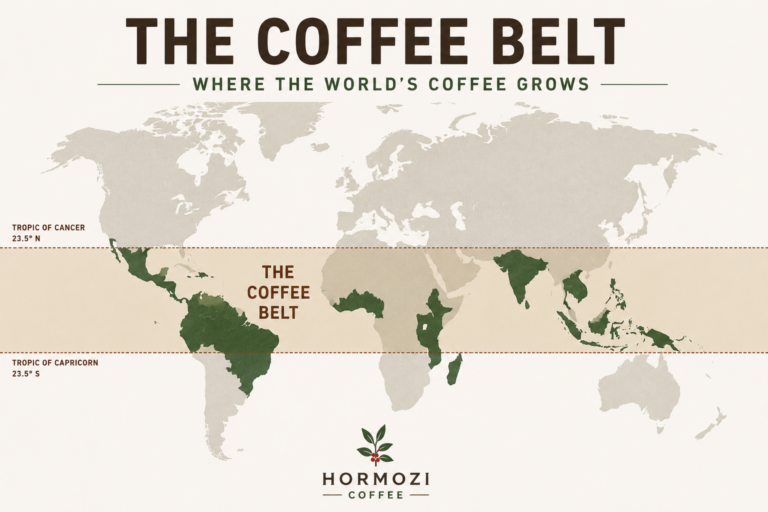
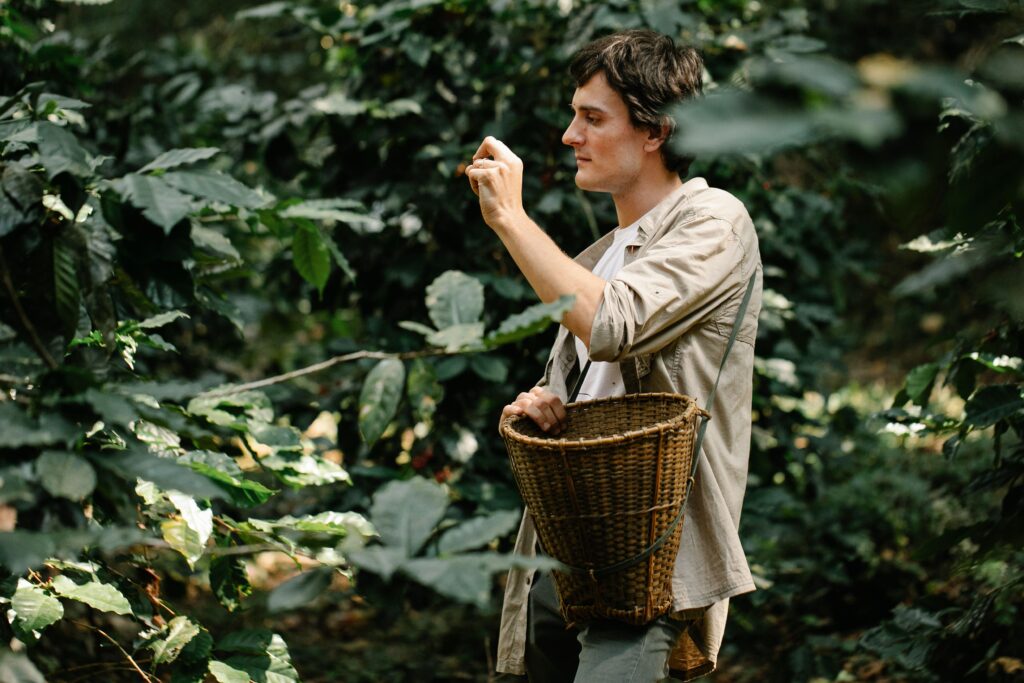
Vietnam is one of the world’s largest coffee producers, with a long-standing focus on Robusta rather than Arabica.
Robusta is favoured because it:
- Contains more caffeine
- Produces heavier body
- Tastes bolder and more bitter
- Holds up well to milk and sugar
Vietnamese coffee is not trying to be delicate. It is designed to be powerful and resilient, both in flavour and effect.
The Phin Filter
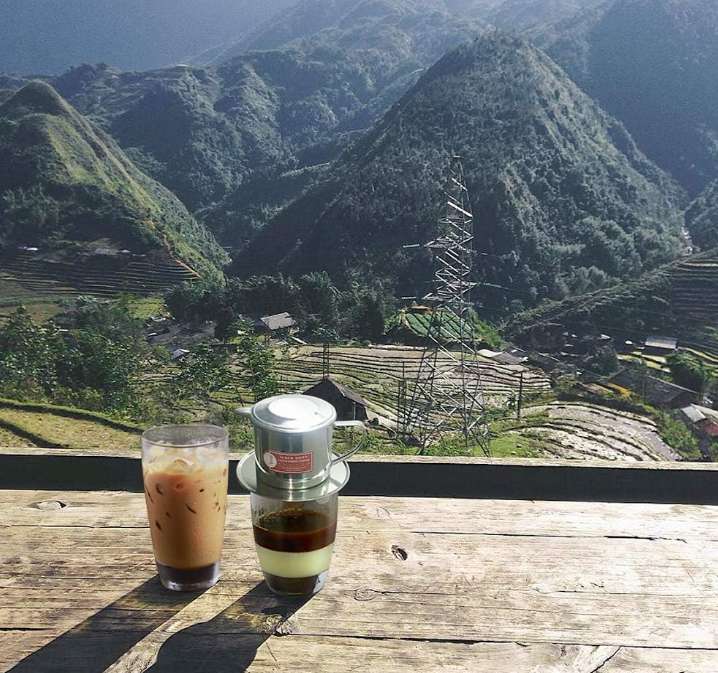
The most common way to brew coffee in Vietnam is using a small metal filter known as a phin.
The phin sits directly on top of the cup. Hot water is added, and the coffee slowly drips through over several minutes. There is no paper filter, which allows oils and body to remain in the cup.
A typical phin brew is:
- Slow
- Concentrated
- Full-bodied
This method encourages patience. The coffee takes time, and that time is part of the experience.
Press here if you’d like to buy one now from Amazon for around £11!
Coffee with Condensed Milk
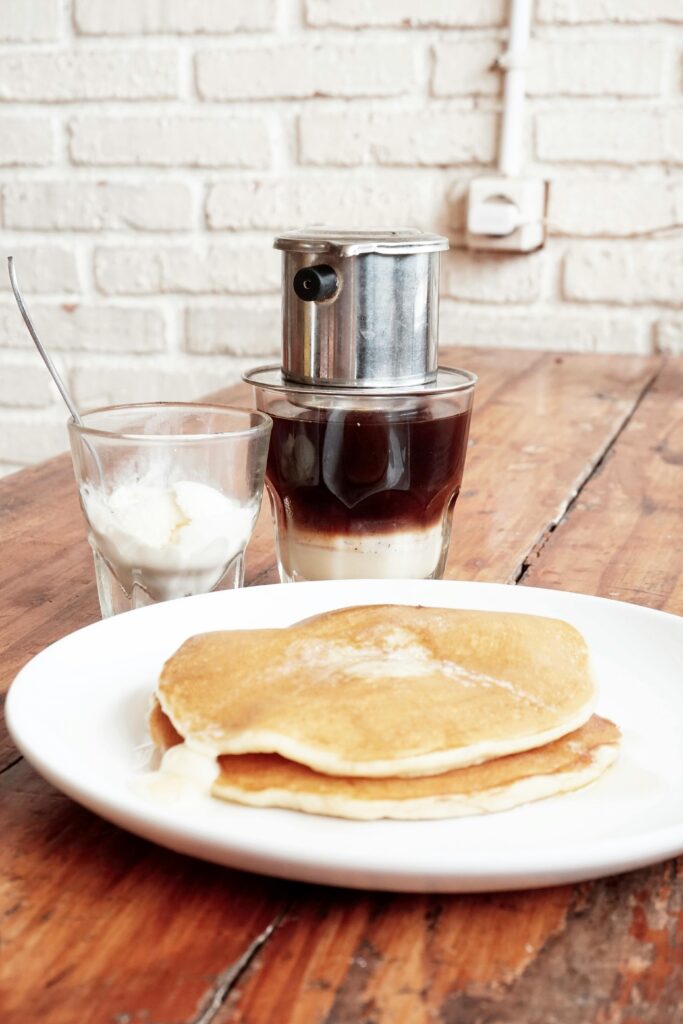
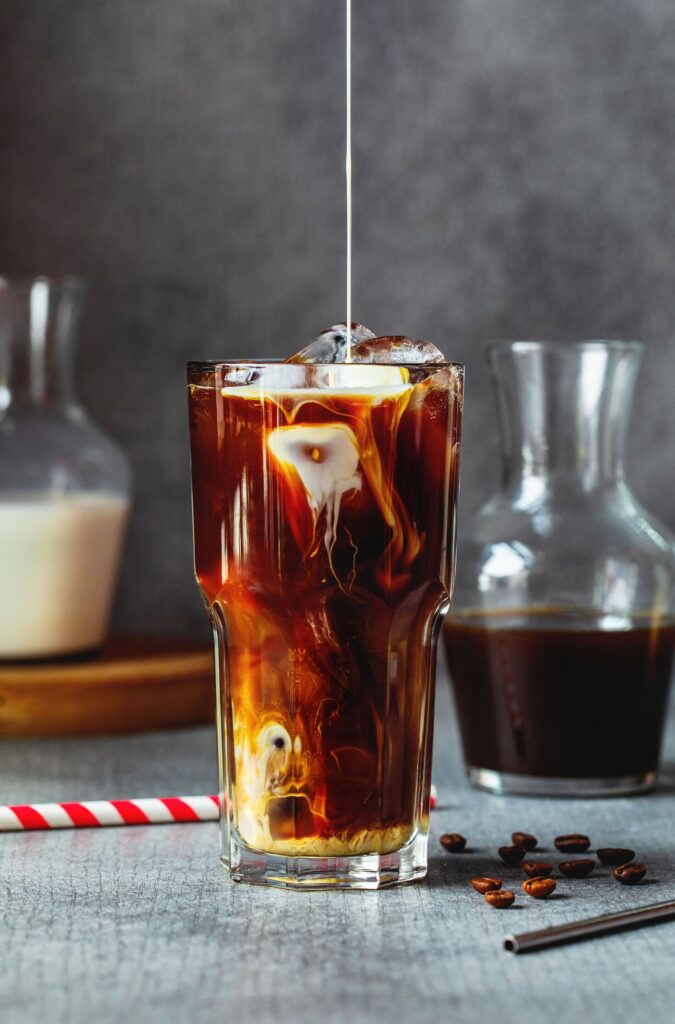
One of the most recognisable Vietnamese coffee drinks is cà phê sữa, coffee with sweetened condensed milk.
Condensed milk became common during periods when fresh milk was scarce. Over time, it became part of the flavour profile rather than a substitute.
The combination works because:
- Strong coffee balances sweetness
- Condensed milk adds weight and richness
- The bitterness of Robusta prevents it from becoming cloying
Served hot or over ice, it is deeply satisfying and unmistakably Vietnamese.
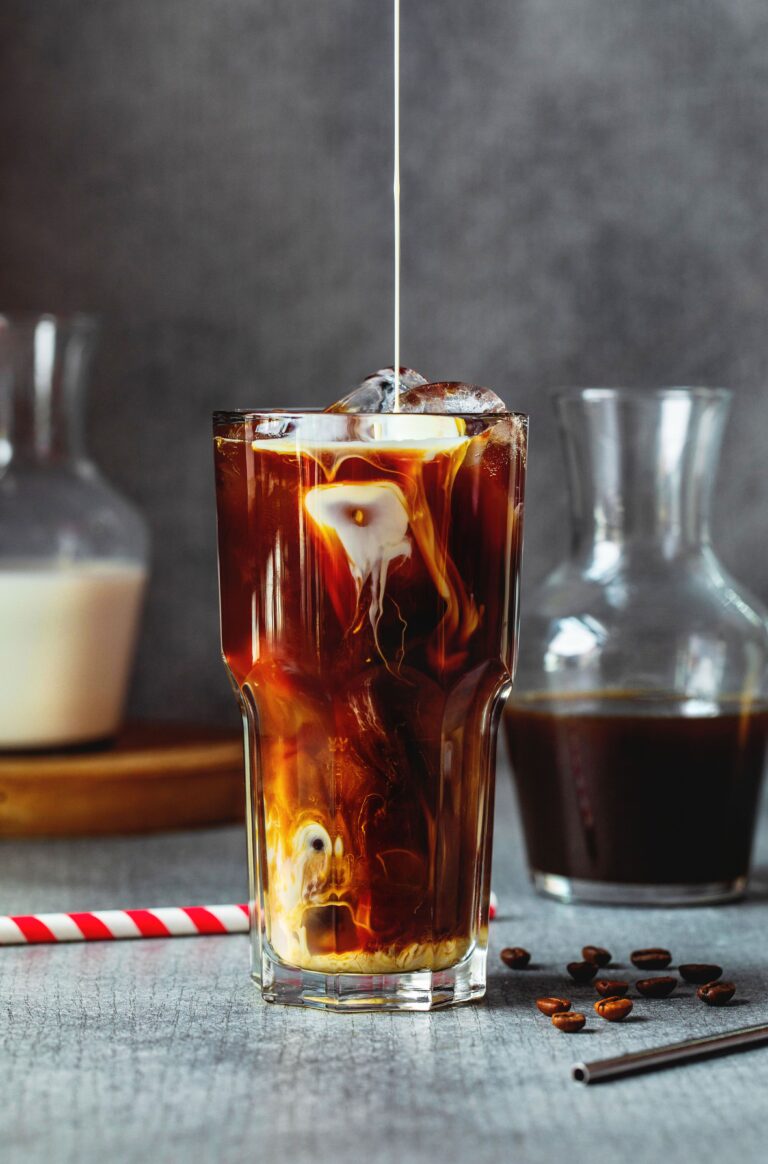
Iced Coffee Is the Default
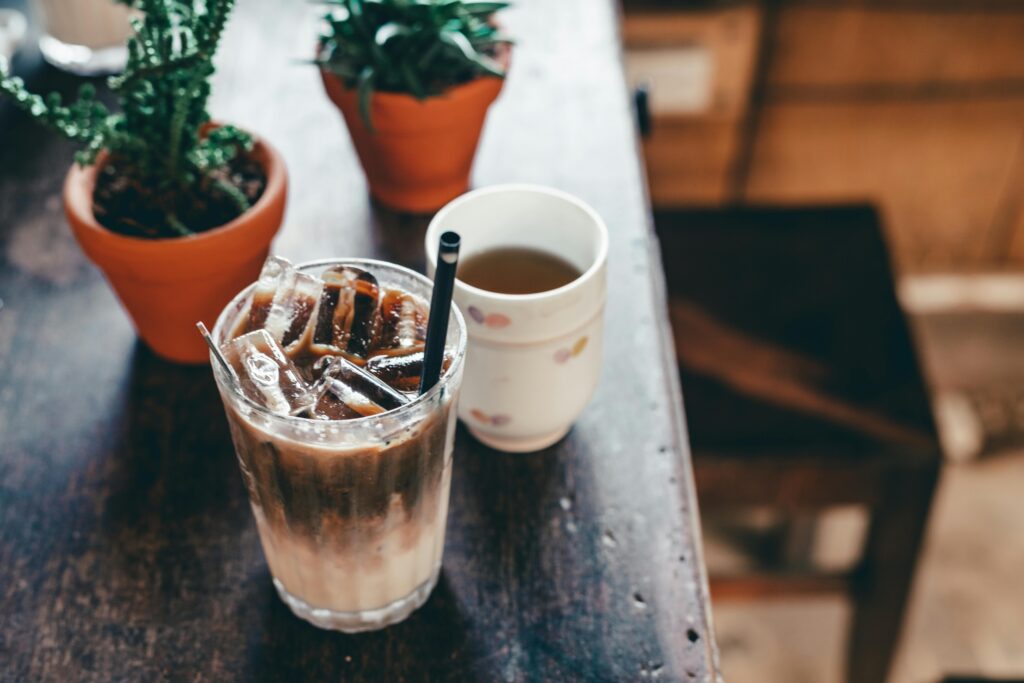
In Vietnam’s climate, iced coffee is not seasonal. It is standard.
Coffee is often brewed hot and then poured over ice, rather than brewed cold. This preserves intensity while making it more refreshing.
The result is a drink that remains strong even as the ice melts.
Bean Choice and Roast Style
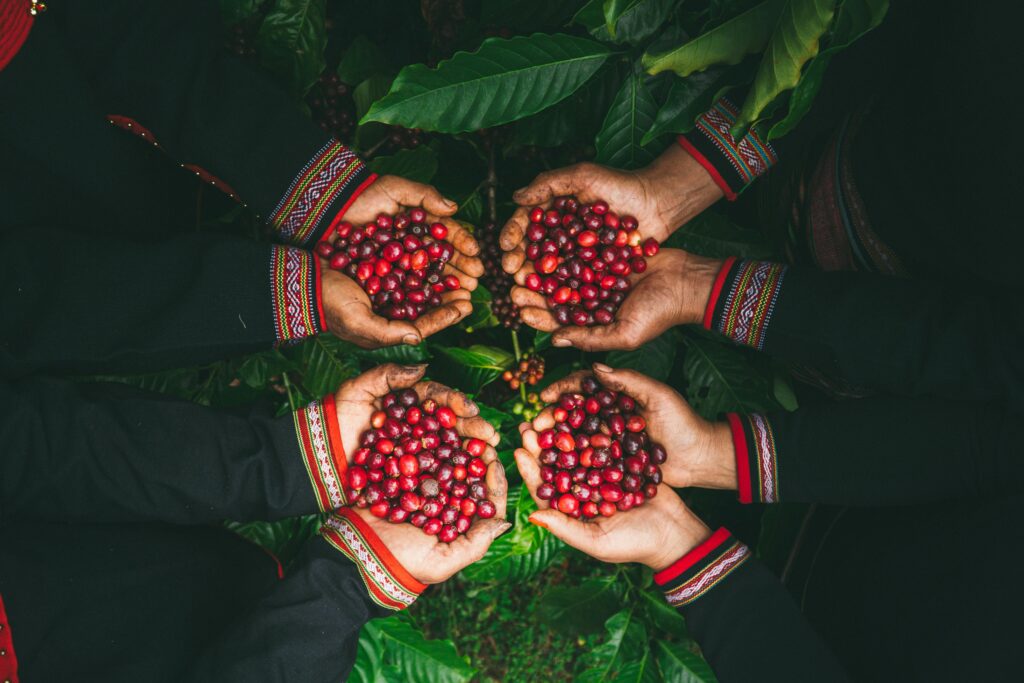
Vietnamese coffee traditionally uses darker roasts that emphasise body and bitterness. The goal is consistency and strength, not acidity or fruit notes.
This is where Vietnamese Robusta excels. When roasted well, it delivers:
- Cocoa and roasted grain notes
- Thick mouthfeel
- Exceptional performance with milk
This is the same reason we offer a Vietnamese Robusta. Not as a novelty, but as a purposeful coffee for people who like their cup strong and dependable.
Click here to try our Vietnamese Robusta now!
Coffee as a Daily Habit

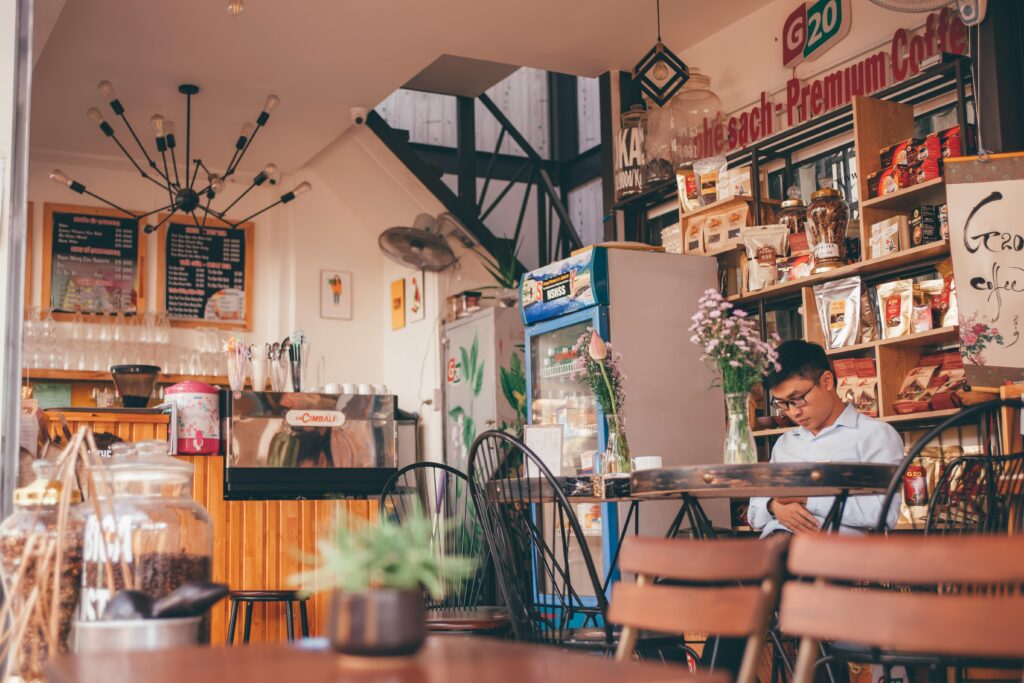
Vietnamese coffee is not rushed. People sit with it, often outside, letting it drip or melt over ice.
It is common to spend a long time with a single cup, particularly in cities like Ho Chi Minh City, where coffee is woven into daily rhythms rather than squeezed between tasks.
Why Vietnamese Coffee Endures
Vietnamese coffee works because it is honest about what it is trying to do.
Strong beans.
Simple equipment.
Clear purpose.
It does not chase trends or apologise for bitterness. It leans into it.