Nordic coffee culture is often described as light and modern, but at its core it is practical and deeply habitual. Coffee here is not treated as a treat or a break. It is part of the day, taken often and in large amounts.
Across the Nordic region, particularly Sweden, Norway, and Finland, coffee is consumed more frequently per person than almost anywhere else in the world. The emphasis is not on strength per cup, but on consistency and volume over time.
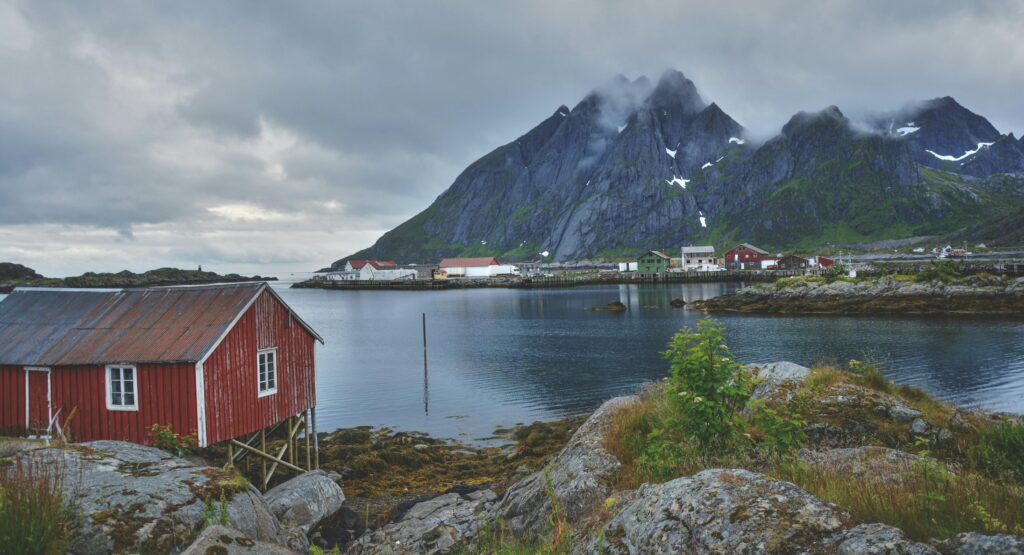
Did you know that we Hormozis are half Spanish, half Norwegian?!
Filter Coffee Dominates
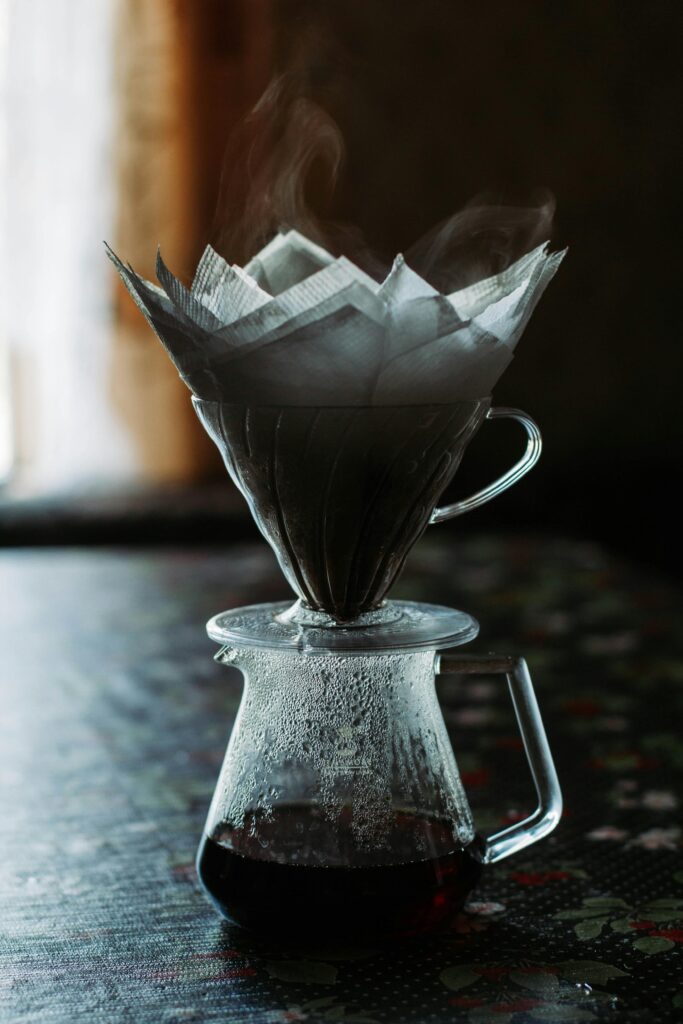
Nordic coffee culture is centred on filter coffee. Espresso exists, but it is not the default in homes or many workplaces.
Typical Nordic filter coffee is:
- Light to medium roasted
- Clean and straightforward
- Brewed in large quantities
- Drunk black more often than not
The goal is a coffee you can drink repeatedly without fatigue.
Do you have a dripper at home? Click here to order a V60 now!
Light Roast, Practical Reasons

Nordic coffees are roasted lighter than Southern European styles, but this is not about chasing flavour trends. Lighter roasts suit the way coffee is consumed in the region.
They offer:
- Less bitterness over multiple cups
- A cleaner finish
- Better drinkability throughout the day
This matters when coffee is being consumed from morning through late afternoon.
Click here to browse our store! We offer some amazing light roast coffees.
Coffee Is a Social Pause

In countries like Sweden, coffee breaks are formalised. Fika is a scheduled pause in the day, often shared with colleagues or friends.
Coffee is usually accompanied by something small to eat, and the point is the pause itself, not the drink alone.
This reinforces the idea that coffee is part of routine, not a quick caffeine hit.
Milk Is Optional, Not Central
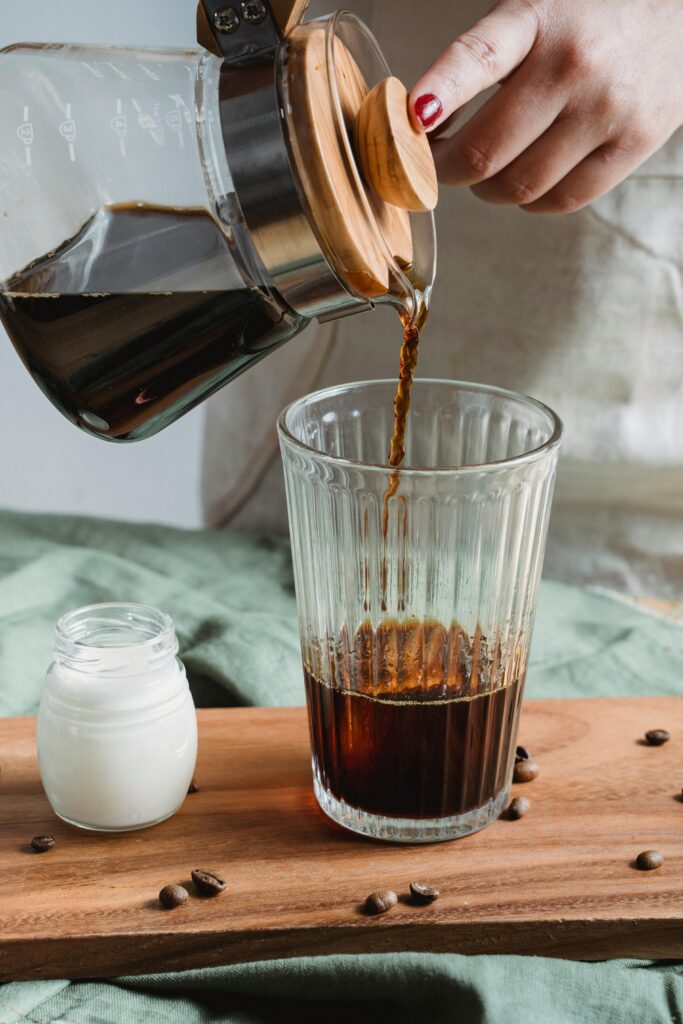
Milk is available, but it is not expected. Many people drink their coffee black, especially at home or work.
There are no strong rules around milk, but the default assumption is that the coffee stands on its own.
This is very different to Southern European cultures where milk and espresso are closely intertwined.
Equipment Is Simple
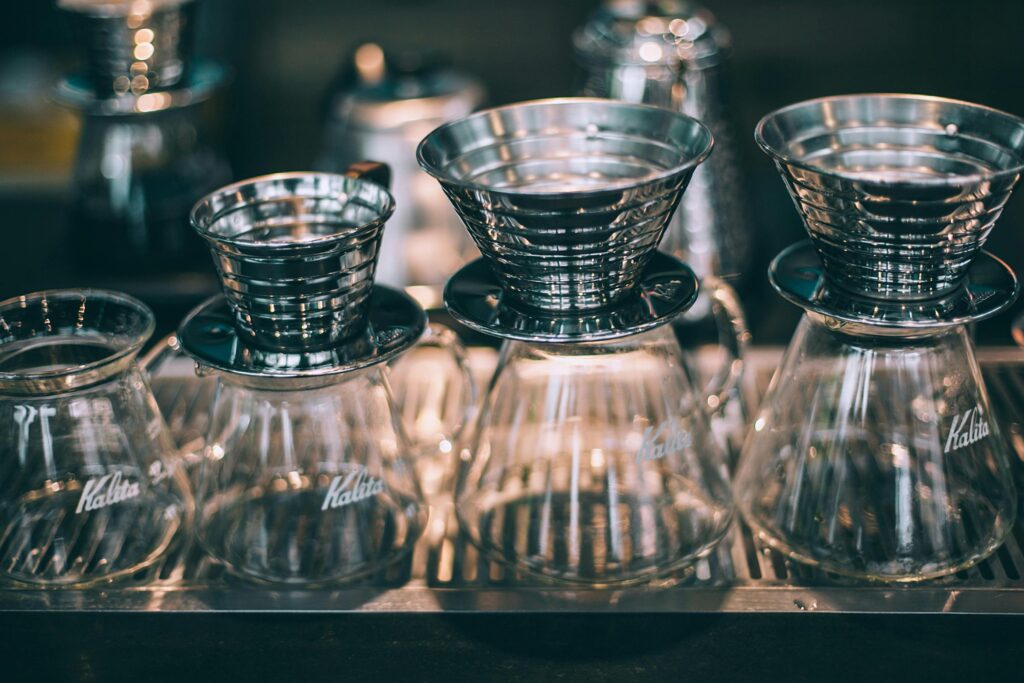
Despite the reputation for design and precision, everyday Nordic coffee equipment is straightforward.
Drip machines, batch brewers, and simple manual pour-over methods are common. The focus is on reliability and ease rather than experimentation.
Coffee is made to be repeated, not perfected.
Coffee as a Daily Constant

In the Nordic countries, coffee is always present. At work. At home. With guests. During meetings.
It is rarely discussed, rarely analysed, and rarely skipped.
The cup is often refilled without comment.
Why Nordic Coffee Works
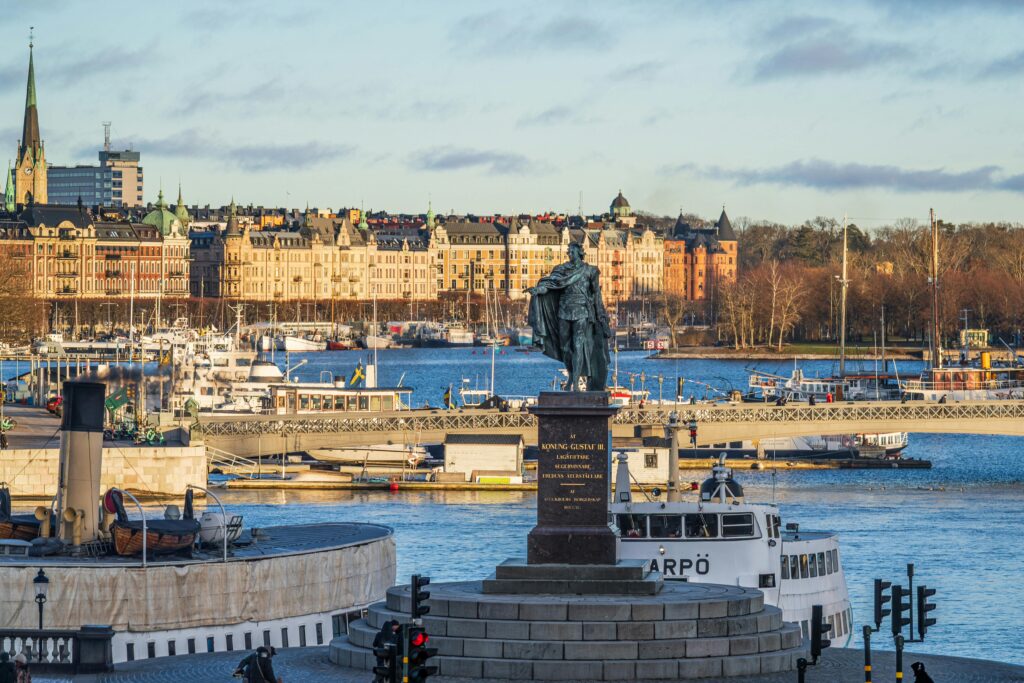
Nordic coffee culture works because it is built for longevity.
Lighter coffee.
Bigger cups.
More of them.
It is coffee designed to support the day, not interrupt it.