Greek coffee culture is slower than most. It is not built around speed, efficiency, or caffeine delivery. It is built around time, conversation, and staying put.
Across Greece, coffee is something you sit with. It is ordered with intention, prepared carefully, and rarely rushed. This is coffee that assumes you are not in a hurry.
What Greek Coffee Actually Is

What most people call “Greek coffee” is a finely ground, unfiltered coffee brewed slowly in a small pot. It is closely related to Turkish coffee, but in Greece it has its own identity and cultural meaning.
The coffee is:
- Very finely ground
- Brewed with the grounds in the cup
- Served without filtering
- Meant to settle before drinking
Once served, it is never stirred.
If you’d like to try this at home, click here to order a briki now!
How Greek Coffee Is Made
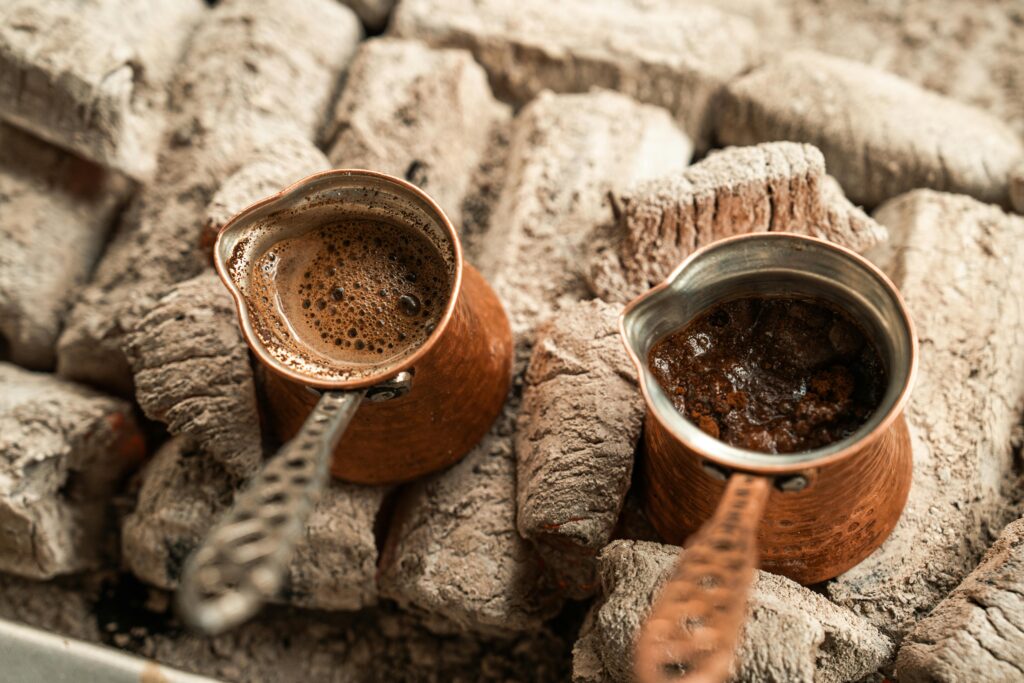
Greek coffee is traditionally prepared in a small pot, often called a briki. Cold water, finely ground coffee, and sugar (if used) are combined before heating.
Key points:
- Sugar is added before brewing, not after
- The coffee is heated slowly
- Foam is important and carefully preserved
Once poured, the grounds sink to the bottom. The final sip is usually left undrunk.
Sweetness Is Part of the Order
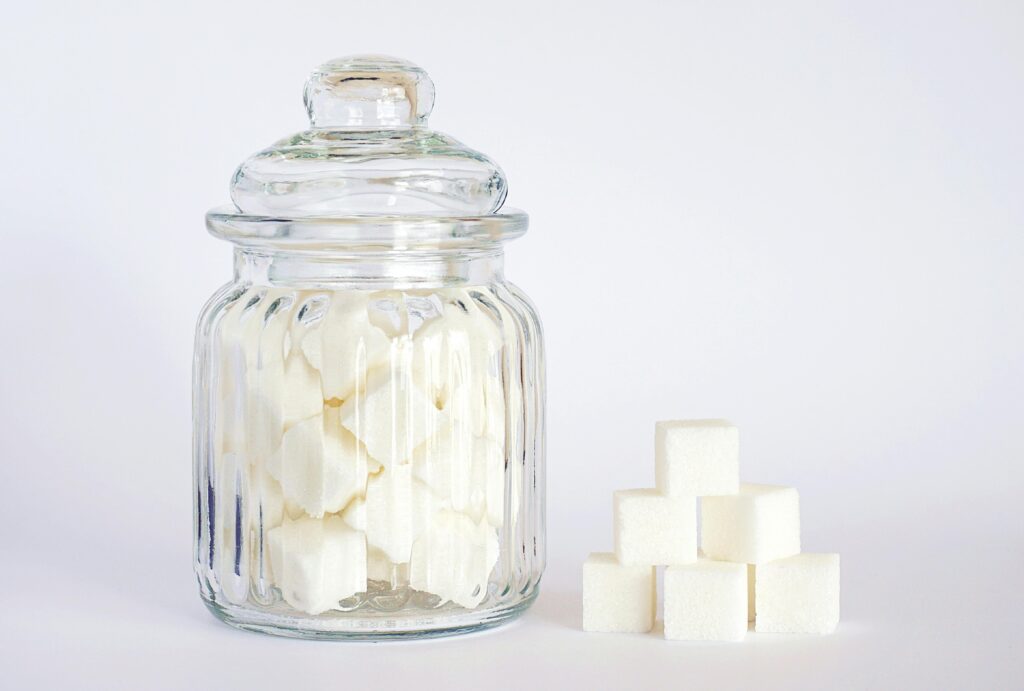
As with Turkish coffee, sweetness is decided when ordering.
Common options include:
- Sketos: no sugar
- Metrios: medium sweetness
- Glykos: sweet
Because the sugar is brewed into the coffee, there is no adjustment once it is served.
How and When It Is Drunk
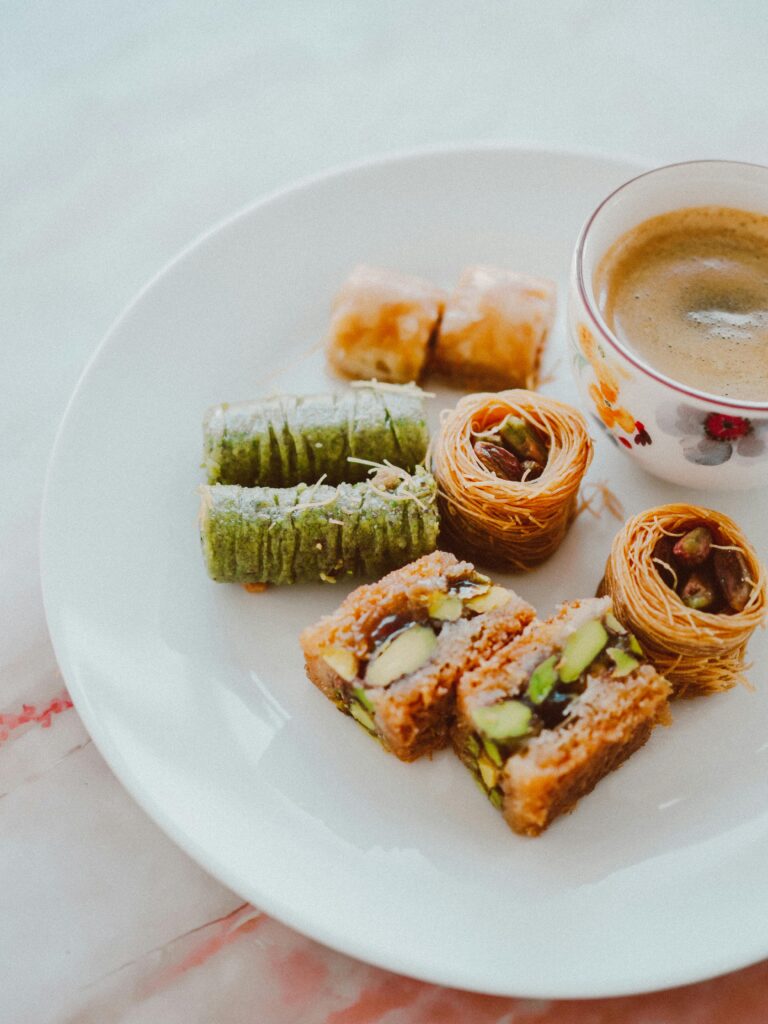
Greek coffee is often served after meals or during long social visits. It is common to sit for extended periods, talking while the coffee cools.
It is usually accompanied by:
- A glass of water
- Something small and sweet
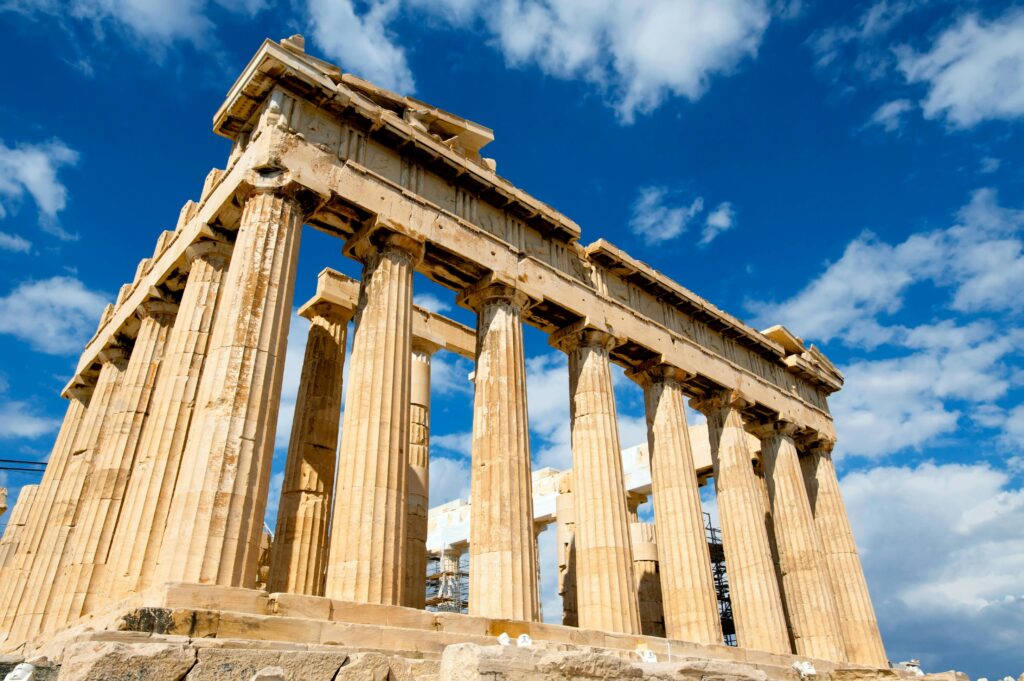
In places like Athens, it is normal to see people sitting with the same cup of coffee for a long time. The coffee marks the moment, not the schedule.
Modern Greek Coffee Culture
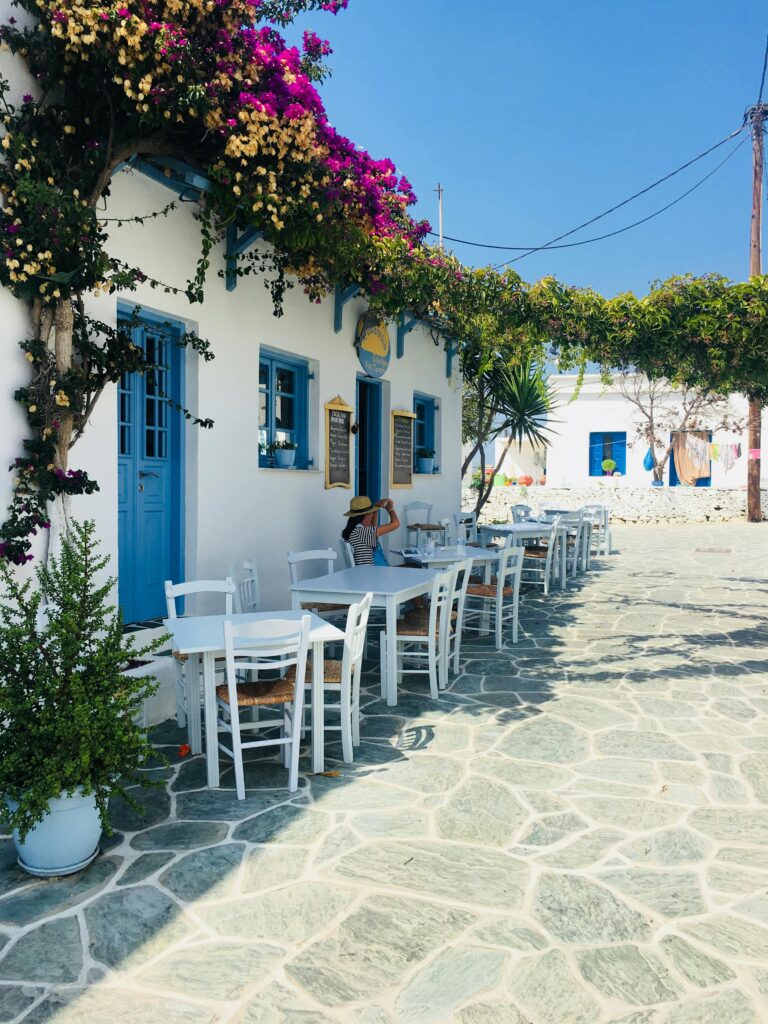
Alongside traditional Greek coffee, modern café culture is widespread. Espresso and iced coffee drinks are popular, particularly in warmer months.
However, traditional Greek coffee remains a constant. It is still the drink associated with conversation, hospitality, and older routines.
It is not replaced. It exists alongside everything else.
Coffee as a Social Anchor

Greek coffee culture values presence over pace. The drink itself is small, but the time around it is generous.
You are expected to stay.
You are expected to talk.
You are not expected to rush.
Why Greek Coffee Endures

Greek coffee has lasted because it resists urgency. It does not adapt to convenience or trends.
Small cup.
Slow pace.
Time built in.
It is coffee that assumes life happens around it, not the other way round.