Filipino coffee culture is shaped by practicality, local tradition and strong everyday consumption habits. Unlike countries where coffee is centred on cafés or specialty brewing, coffee in the Philippines has historically been focused on accessibility and routine.
At the same time, a modern specialty scene has begun developing alongside these established habits.
A Long Coffee History
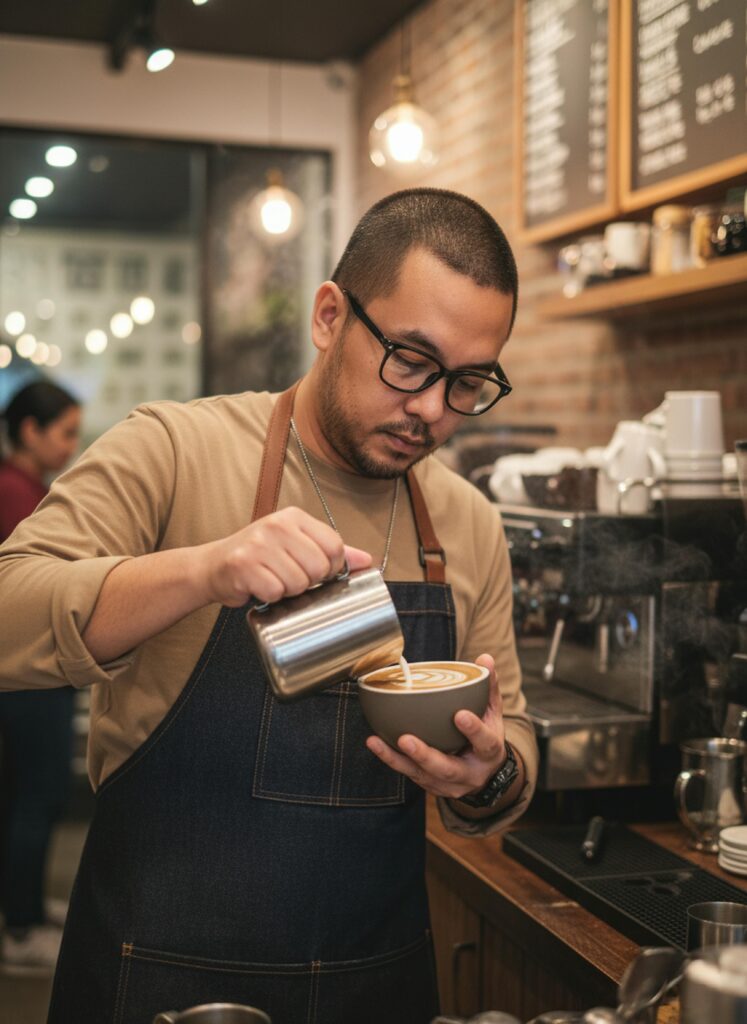
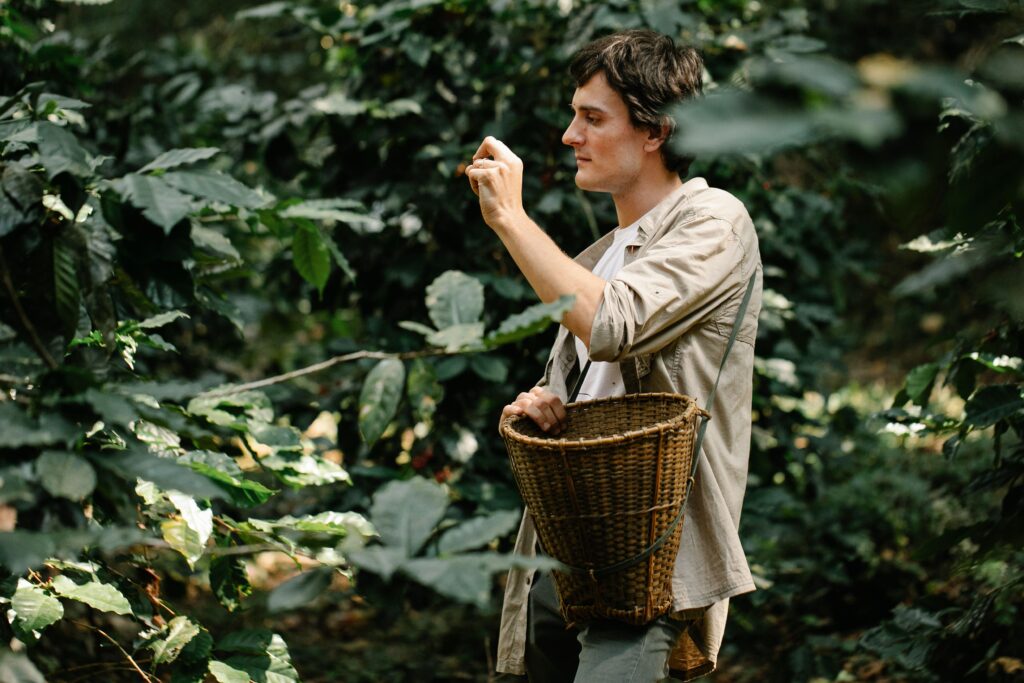
Philippines has a long history with coffee production.
Coffee was introduced during the Spanish colonial period and expanded significantly during the nineteenth century. At one stage, the Philippines was among the world’s major coffee exporters before disease severely reduced production.
Despite this decline, coffee remained part of daily life.
Multiple Coffee Species
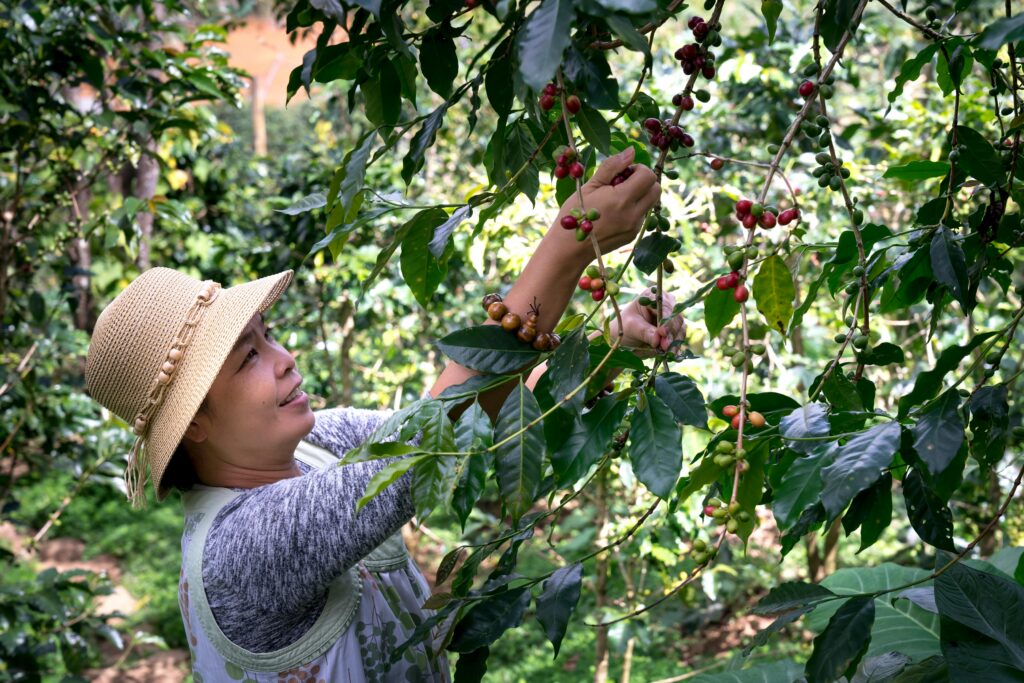
A distinctive feature of the Philippines is that it grows all four major commercial coffee species:
• Arabica
• Robusta
• Liberica
• Excelsa
Liberica, locally known as Kapeng Barako, is particularly associated with Filipino coffee culture.
Kapeng Barako is known for:
- Strong flavour
- Smoky characteristics
- Heavier body
It represents a more traditional and locally recognised coffee style.
Unfortunately, we do not currently stock any Filipino coffee, but Indonesian and Vietnamese are quite similar and nearby.
Click here to try our Vietnam Robusta Wet Polished or here to try our Indonesia Old Brown Java.
Coffee as an Everyday Habit
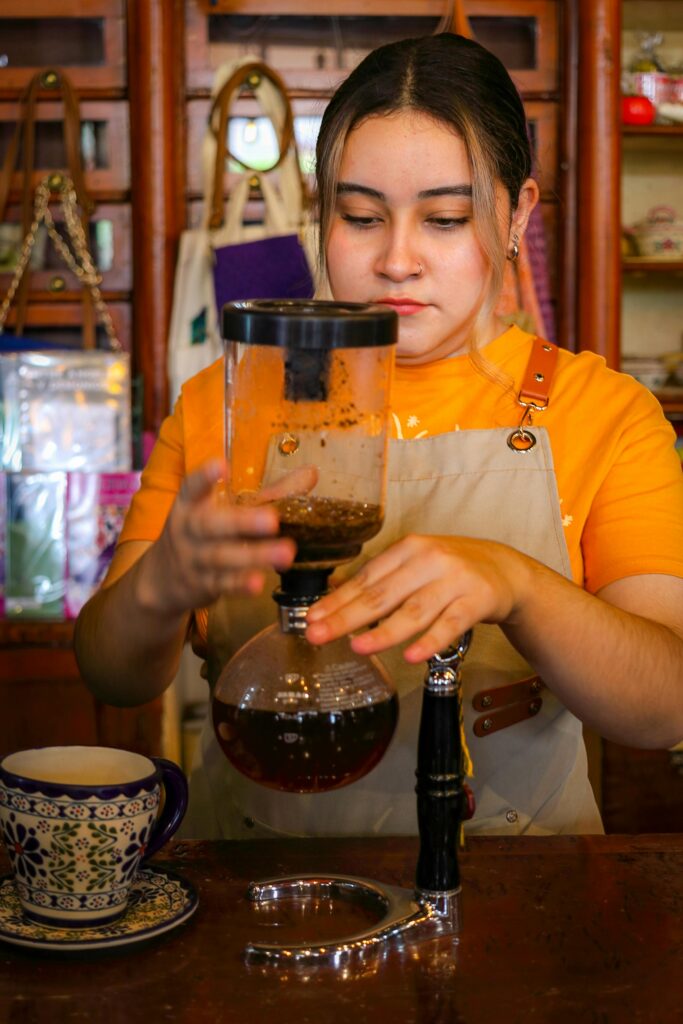
Coffee is consumed widely across the Philippines.
Historically, instant coffee has played a major role due to affordability and convenience. Ready-mixed coffee sachets combining coffee, sugar and creamer are extremely common.
This established coffee as a practical daily drink rather than a specialist product.
Convenience remains central to consumption habits.
Traditional Brewing Methods
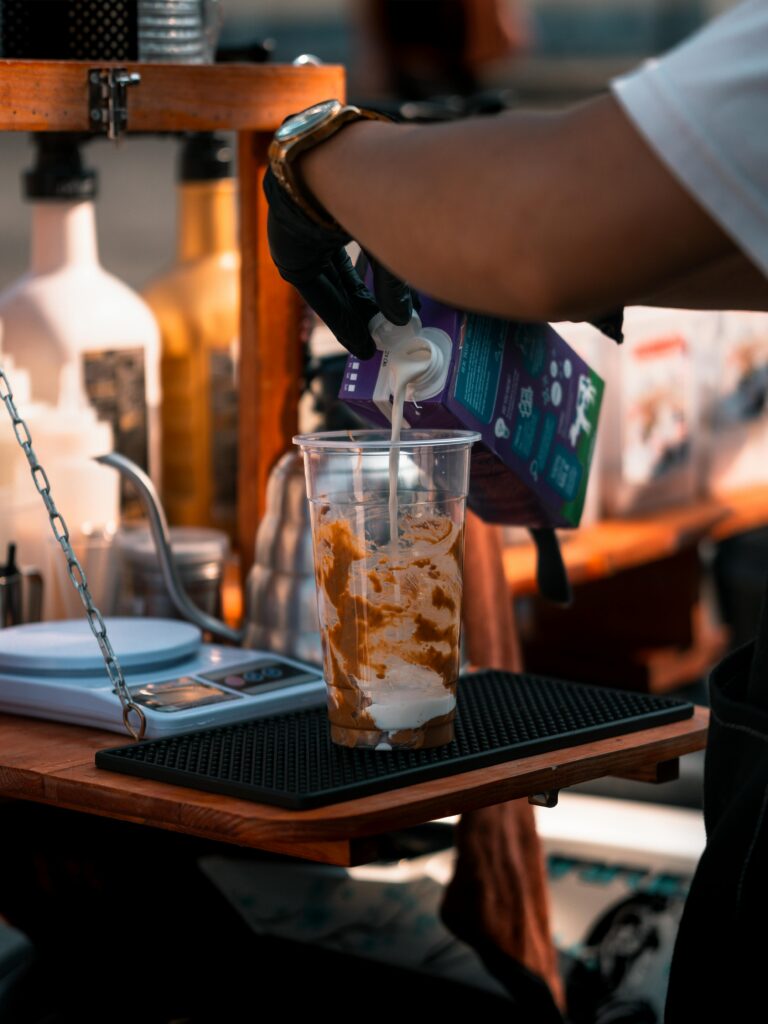
Traditional Filipino coffee preparation is generally simple.
Ground coffee is often brewed directly in pots or through cloth filters. The focus is on strength and familiarity rather than precision extraction.
Coffee is commonly consumed sweetened, reflecting local taste preferences.
Coffee and Social Routine
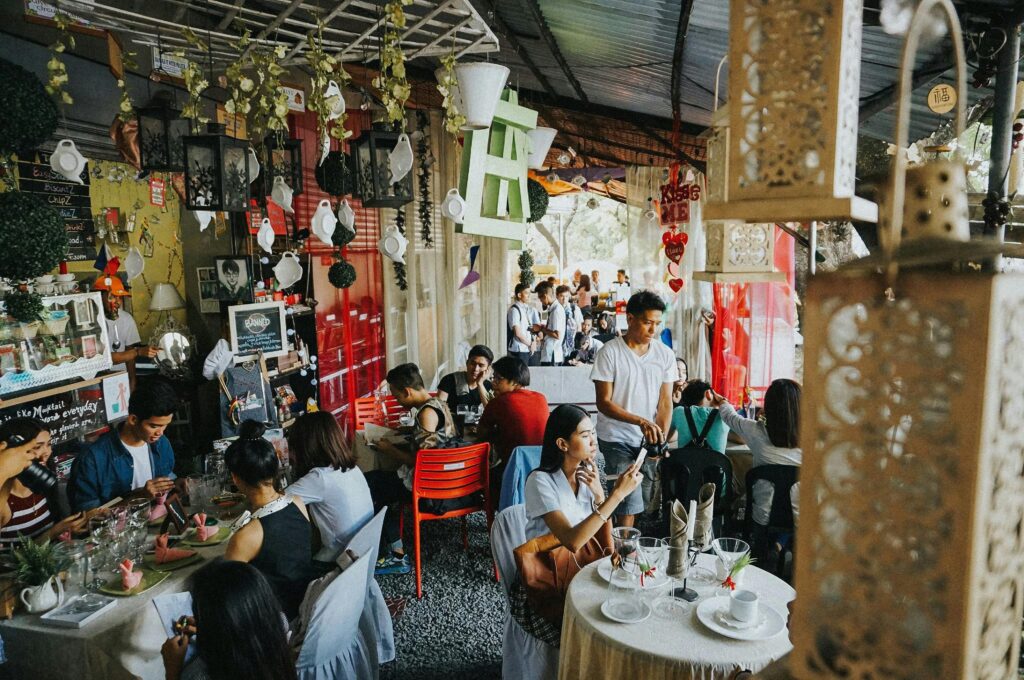
Coffee is closely tied to routine and social interaction.
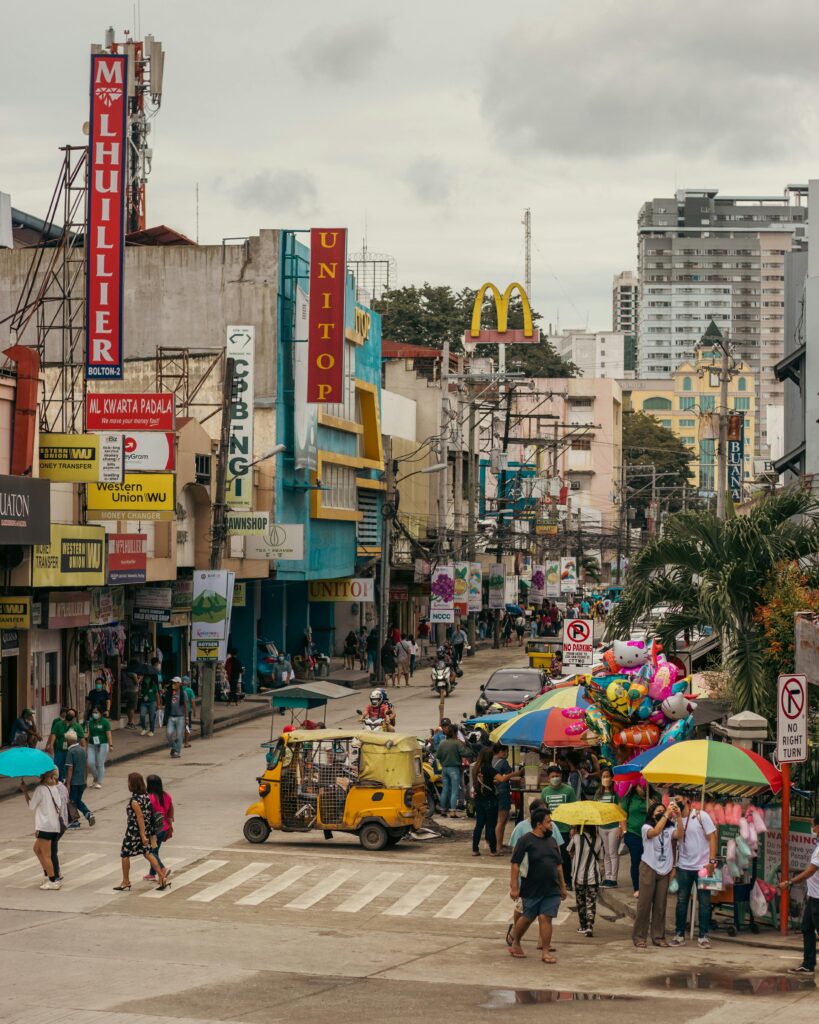
It is consumed during breakfast, work breaks and informal gatherings. Small local cafés and roadside stalls are common, though historically they have focused more on accessibility than specialty preparation.
Coffee functions as part of daily structure rather than ceremony.
Modern Café Culture
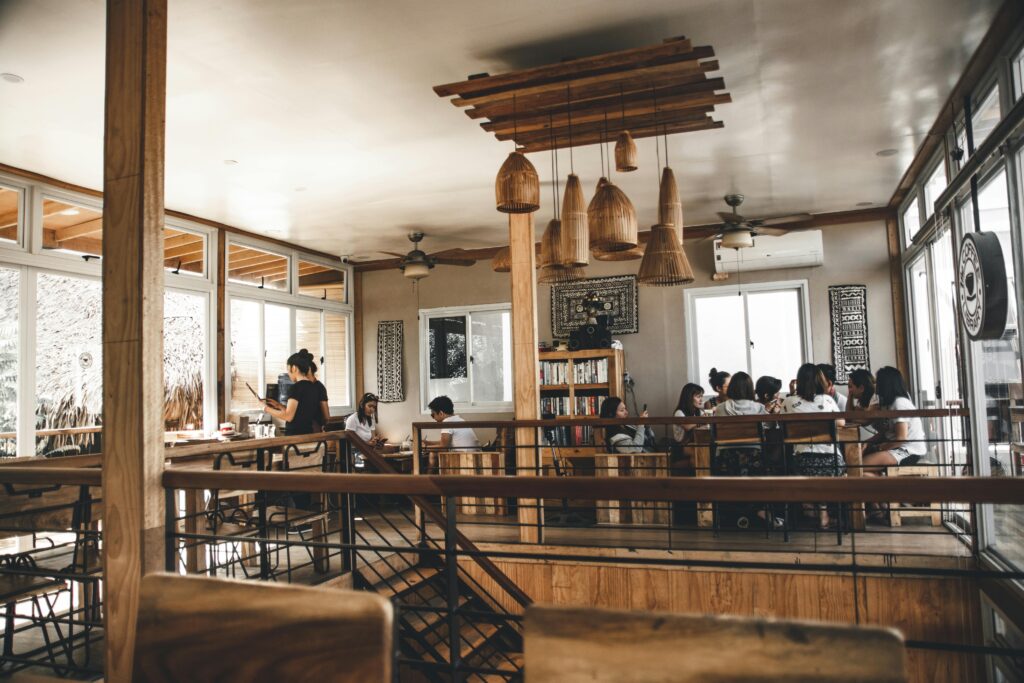
Cities such as Manila have seen significant growth in modern café culture.
Specialty cafés, espresso-based drinks and manual brewing methods are becoming more visible, particularly among younger consumers.
This newer café scene often combines international coffee trends with local ingredients and flavours.
Specialty Coffee Growth
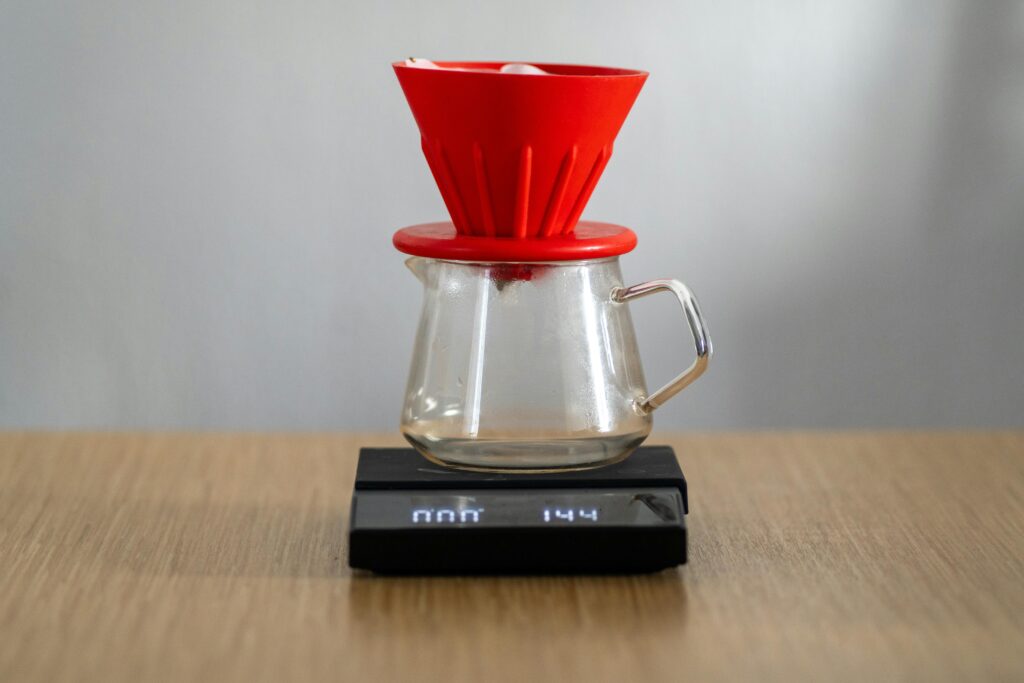
Domestic specialty coffee has expanded in recent years.
Higher-quality arabica production in mountainous regions has helped improve local perception of Filipino coffee. More cafés now highlight origin, processing and brewing technique.
However, instant and convenience coffee still dominate overall consumption.
How Filipino Coffee Is Best Understood
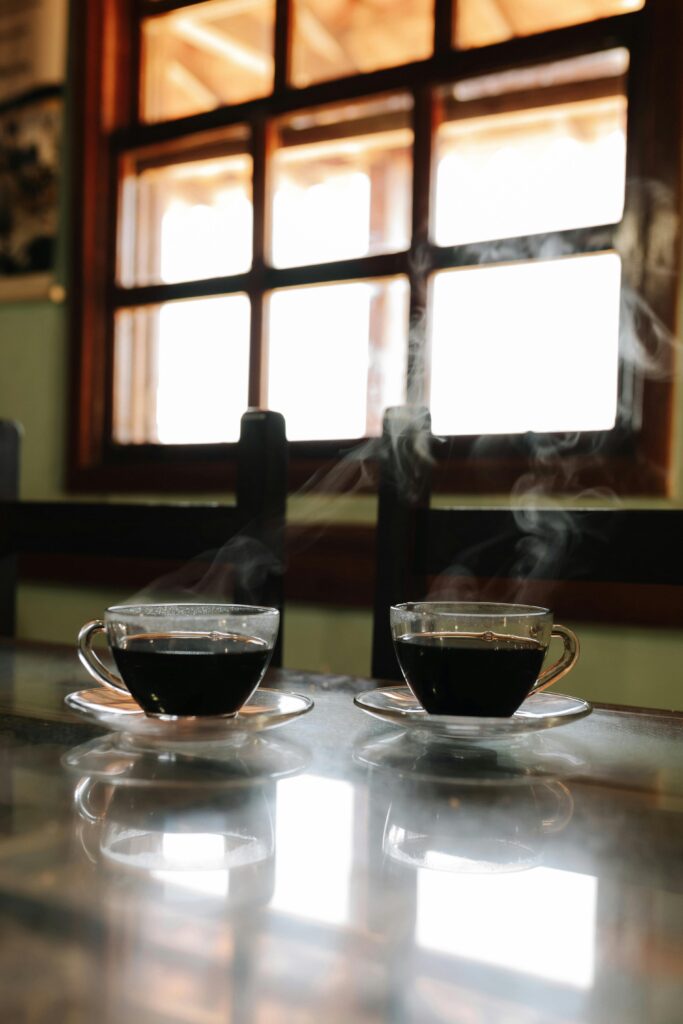
Filipino coffee culture is built around accessibility, routine and strong local identity.
Coffee is consumed daily, often sweetened and prepared using simple methods. Kapeng Barako remains an important symbol of traditional Filipino coffee.
At the same time, modern café culture continues to grow in urban areas.
The result is a coffee culture that combines long-standing everyday habits with an emerging interest in specialty coffee and local production.