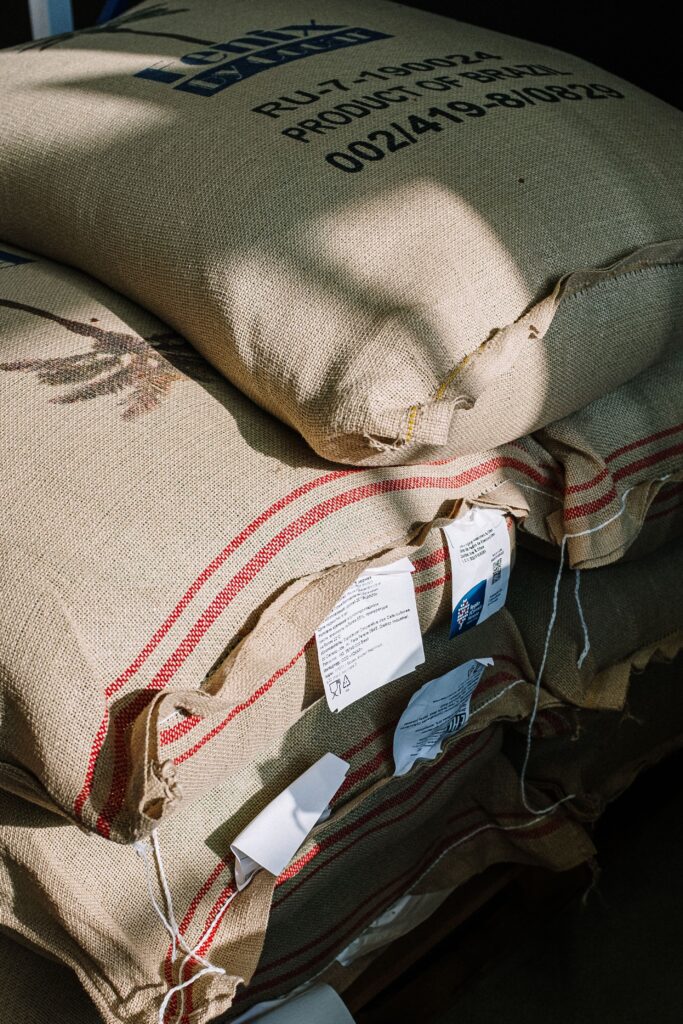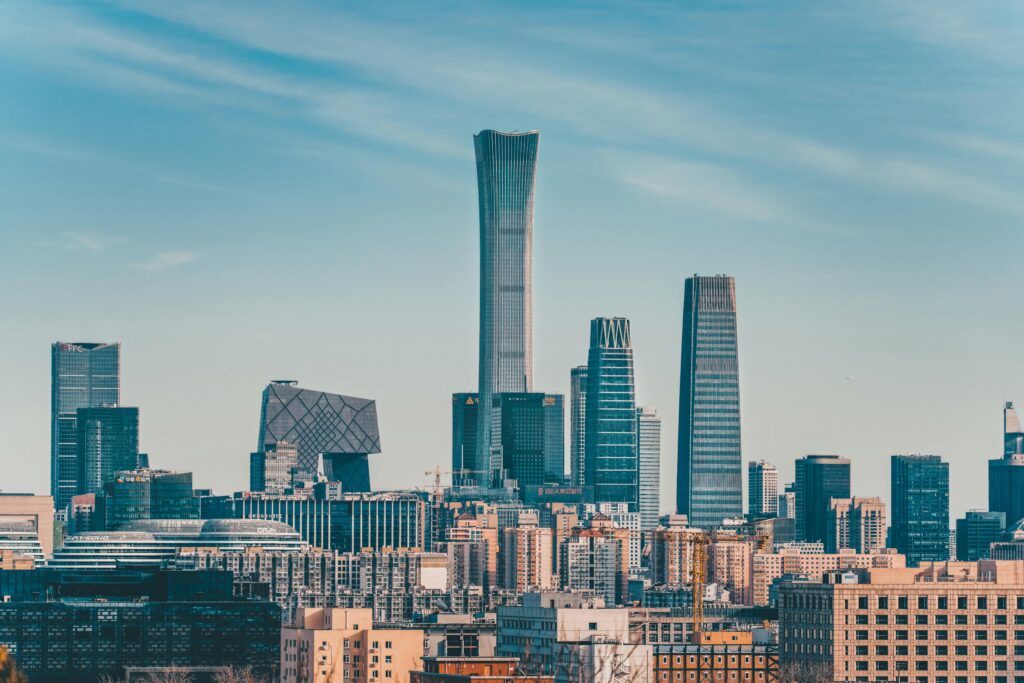
Chinese coffee culture is defined by rapid growth, urban influence and coexistence with a much older tea tradition. Unlike countries where coffee developed gradually over time, China’s coffee scene has expanded quickly, particularly in major cities.
Coffee in China is not replacing tea. It is establishing itself alongside it.
A Tea-First Culture
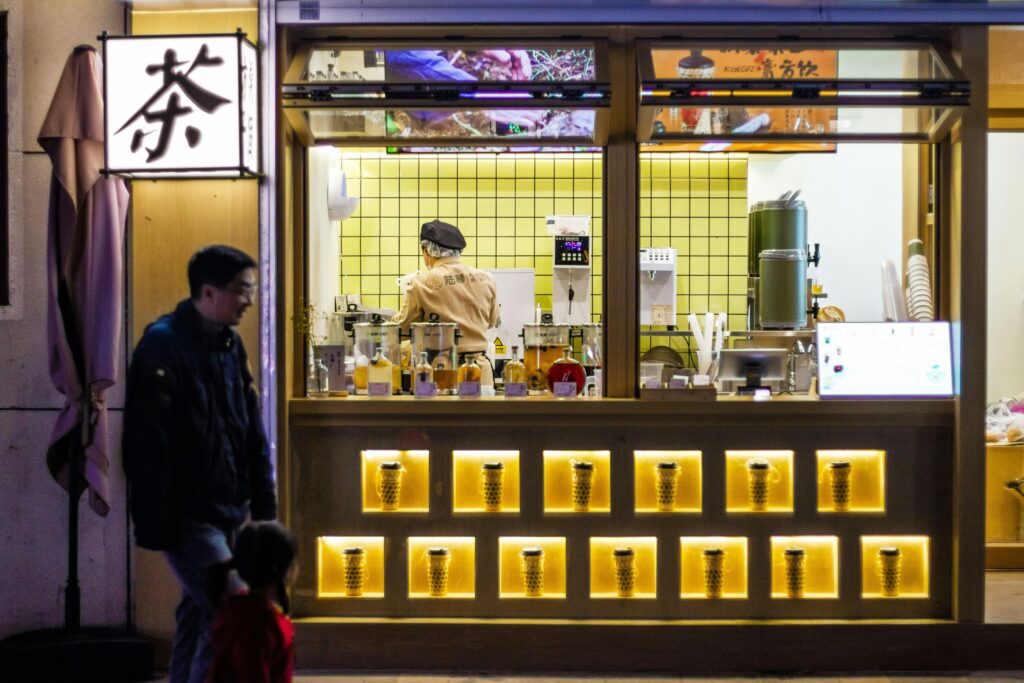
China has a long-standing relationship with tea that predates coffee by centuries.
Tea remains central to daily life, particularly in traditional settings. Coffee, by comparison, is a relatively recent addition and is more closely associated with modern lifestyles.
This contrast shapes how coffee is perceived. It is often linked to work, urban life and convenience rather than tradition.
Coffee’s Rapid Expansion
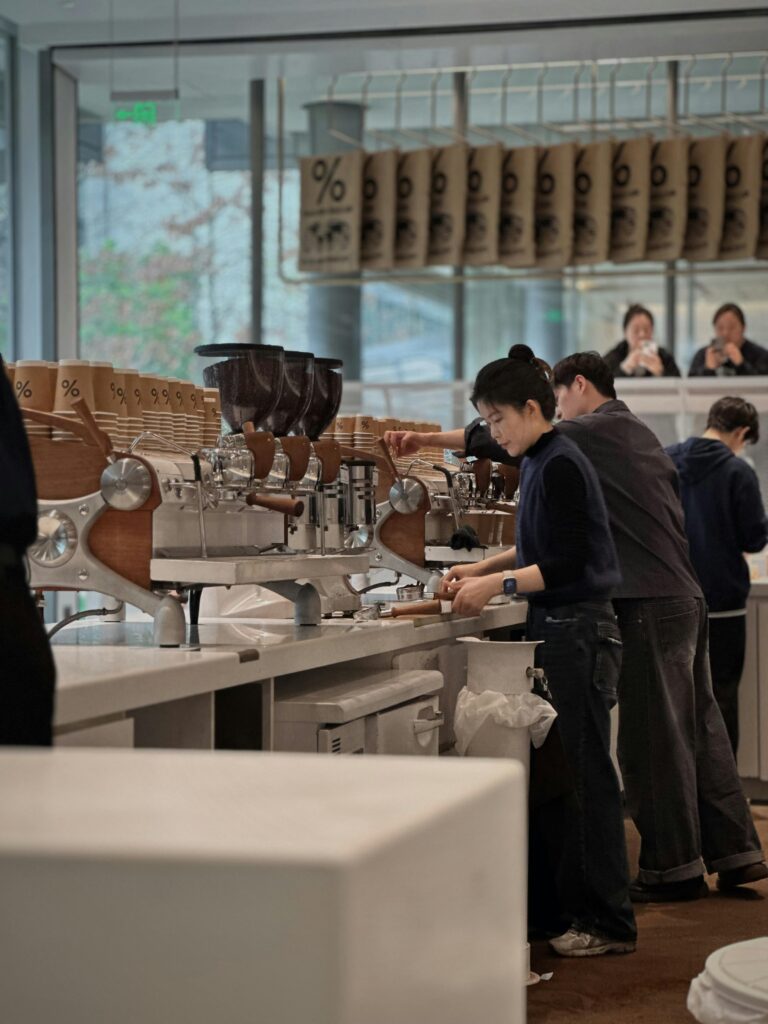
Coffee consumption in China has grown significantly over the past two decades.
This growth has been driven by urbanisation, changing work patterns and the expansion of café chains. Coffee is widely available in cities, with both international brands and domestic chains contributing to its accessibility.
The pace of growth has been faster than in many other markets, making China one of the most dynamic coffee environments globally.
Convenience and Accessibility

Convenience plays a major role in Chinese coffee culture.
Takeaway coffee, ready-to-drink products and app-based ordering systems are widely used. Coffee is often consumed on the move rather than in a traditional sit-down setting.
This reflects a broader emphasis on efficiency and integration with daily routines.
Espresso and Modern Drinks

Espresso-based drinks are common, particularly in urban areas.
Lattes, cappuccinos and iced coffees are widely available, often adapted to local taste preferences. Sweeter drinks and flavoured options are popular, reflecting demand for approachable and familiar flavours.
Coffee is often customised rather than standardised.
Domestic Coffee Production
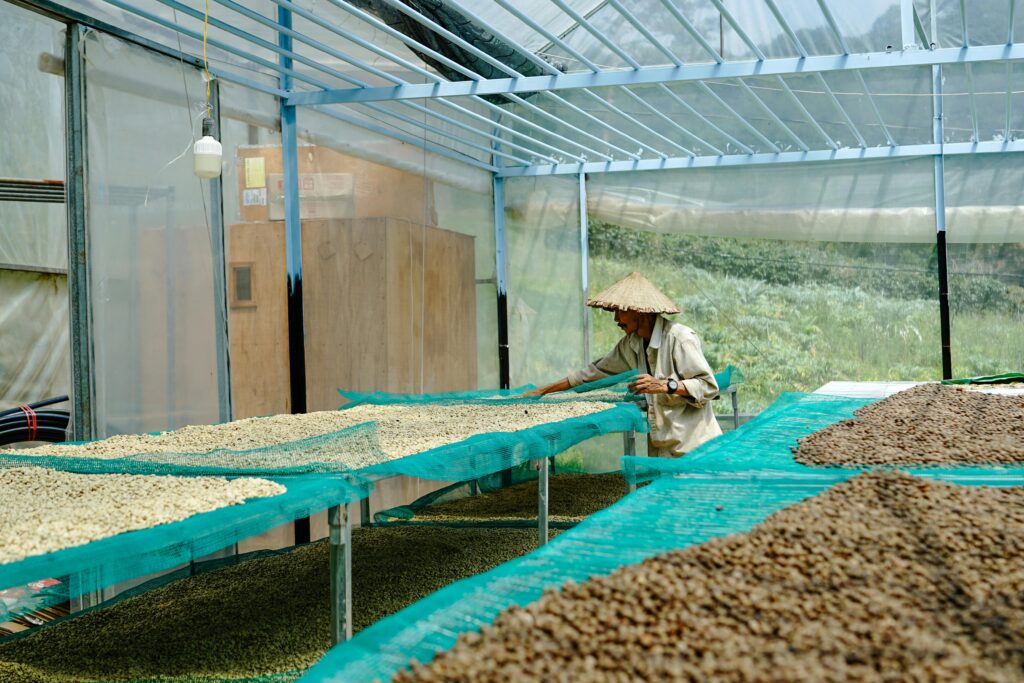
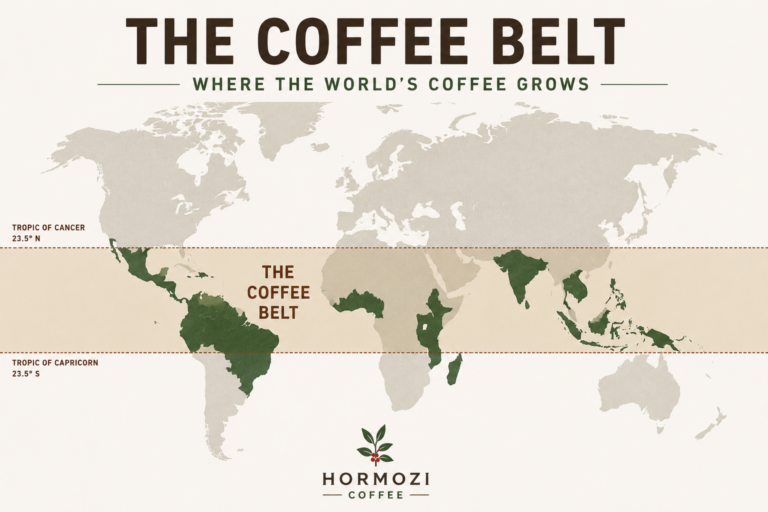
China also produces coffee, primarily in the Yunnan region.
Yunnan’s climate allows for arabica cultivation, and quality has been improving in recent years. While still smaller in scale compared to major producing countries, Chinese coffee is gaining recognition in specialty markets.
This adds a domestic dimension to what is otherwise a consumption-driven culture.
Click here to order some Chinese coffee now!
Café Culture and Urban Life
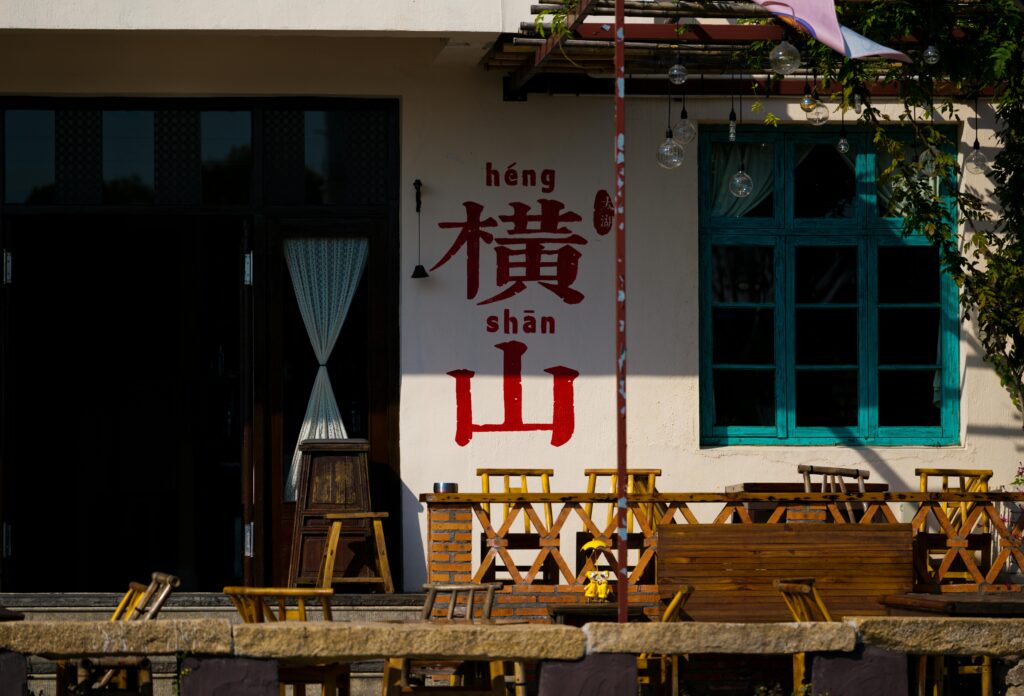
Cities such as Shanghai and Beijing have developed extensive café scenes.
Cafés serve multiple roles, including meeting spaces, work environments and social venues. Design and atmosphere are important, though functionality and speed remain key.
Unlike slower café cultures, time spent in cafés can vary significantly depending on context.
Specialty Coffee Growth
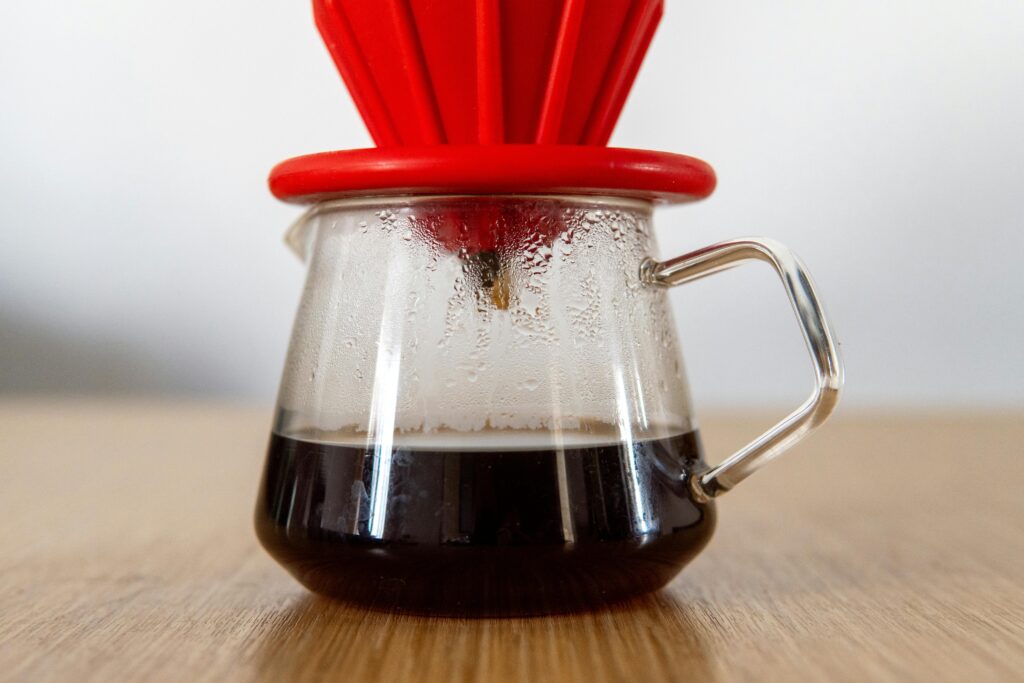
Specialty coffee has gained traction in larger cities.
Independent cafés and roasters are introducing lighter roasts, single origins and alternative brewing methods. These reflect global trends and appeal to a growing segment of consumers.
However, specialty coffee remains a smaller part of the overall market compared to convenience-driven consumption.
How Chinese Coffee Is Best Understood
Chinese coffee culture is modern, fast-growing and shaped by urban lifestyles.
It exists alongside a deeply established tea culture rather than replacing it. Coffee is associated with convenience, work and contemporary habits, particularly in cities.
While specialty coffee continues to expand, the broader market is driven by accessibility and speed.
China demonstrates how quickly coffee culture can develop when supported by urban demand and infrastructure.