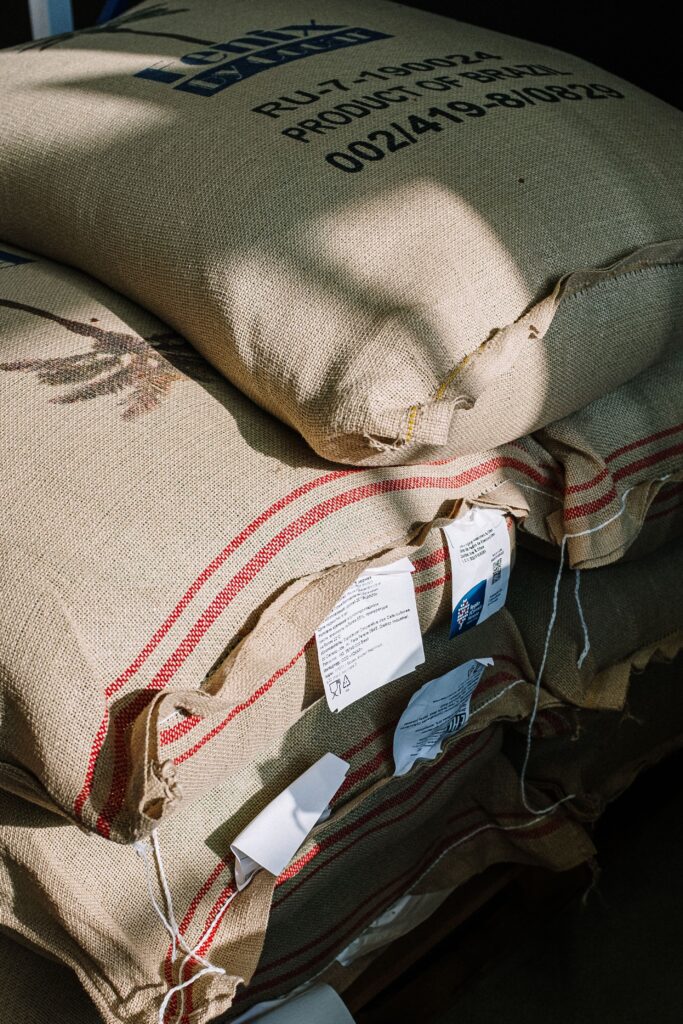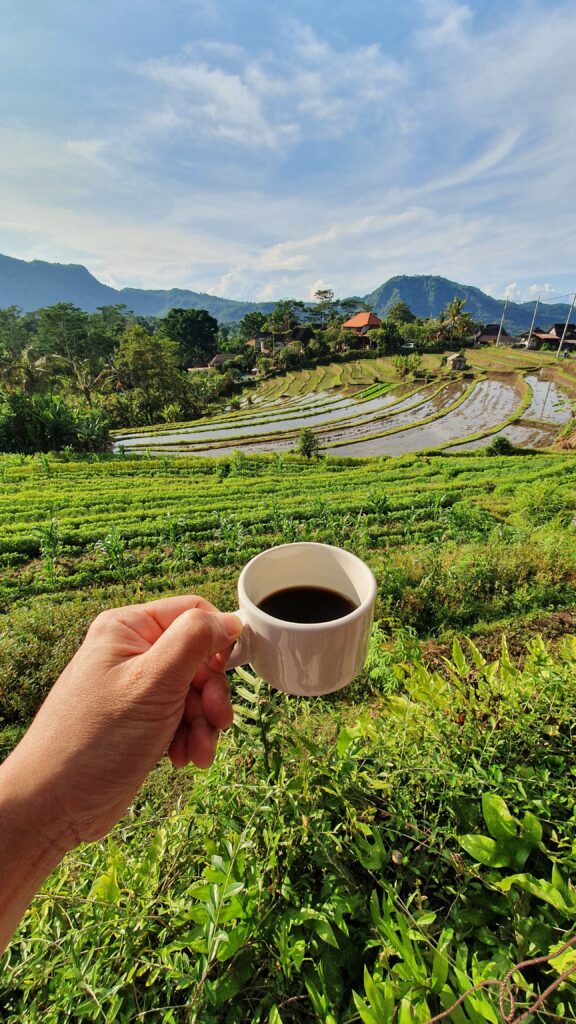
If you’ve been reading about rising coffee prices or changing harvests, you may have wondered how climate change is affecting coffee farms around the world.
Coffee has always depended on nature. Unlike manufactured products, it cannot simply be produced faster when demand increases. Every crop relies on the right balance of temperature, rainfall, sunlight and healthy soil.
When those conditions change, farmers face new challenges. Some harvest fewer cherries, others struggle with pests and disease, while some are moving entire coffee plantations to higher ground in search of cooler temperatures.
Although coffee remains one of the world’s most popular drinks, growing it is becoming increasingly unpredictable.
Why Is Climate Change Affecting Coffee Farms?
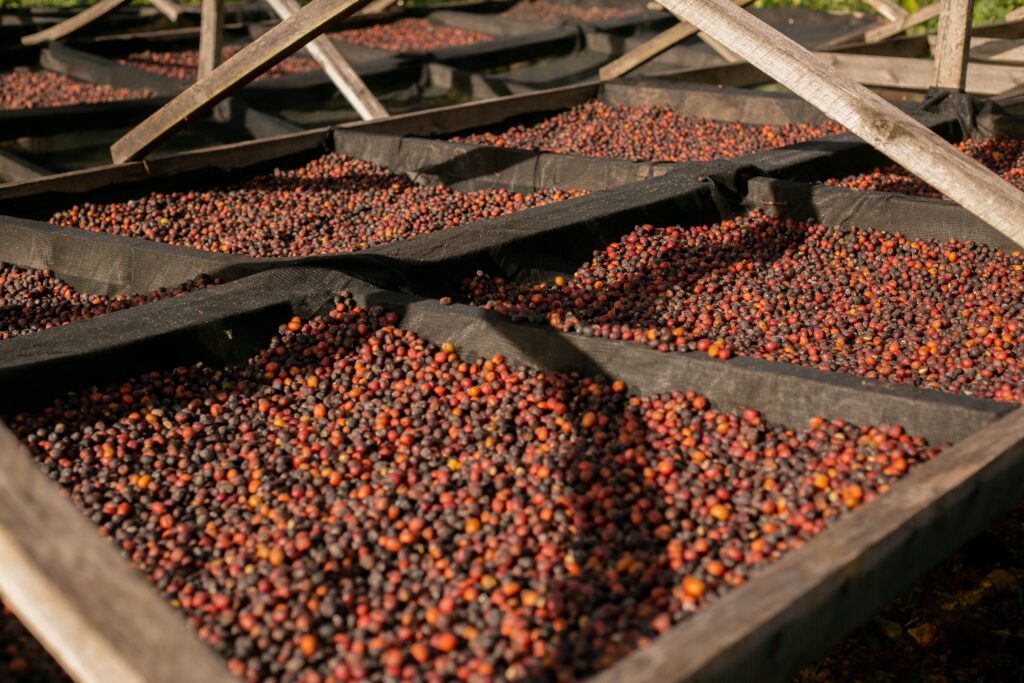
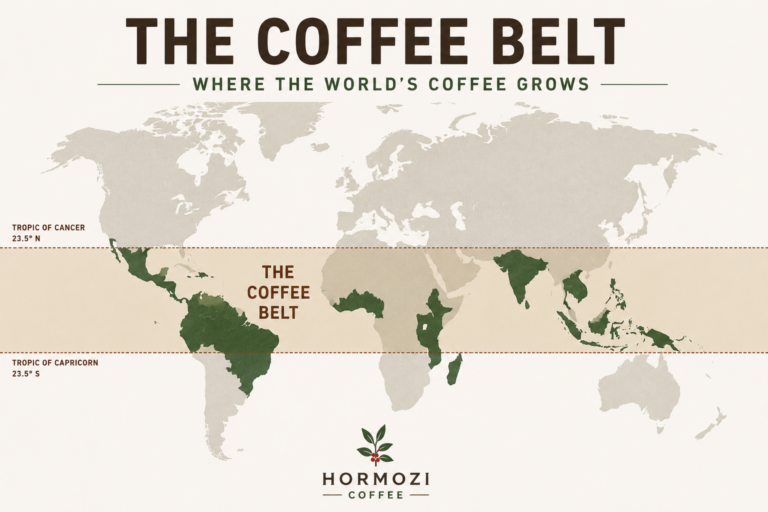
Coffee plants are surprisingly sensitive.
Most speciality coffee comes from Arabica trees, which grow best in tropical mountain regions with mild temperatures, seasonal rainfall and fertile soils.
Small changes can have surprisingly large effects.
A warmer growing season may sound harmless, but even a difference of one or two degrees can alter flowering, fruit development and bean quality.
Unlike annual crops, coffee trees remain in the ground for decades. Farmers cannot simply move to another field next season if conditions change.
Rising Temperatures Put Coffee Trees Under Stress
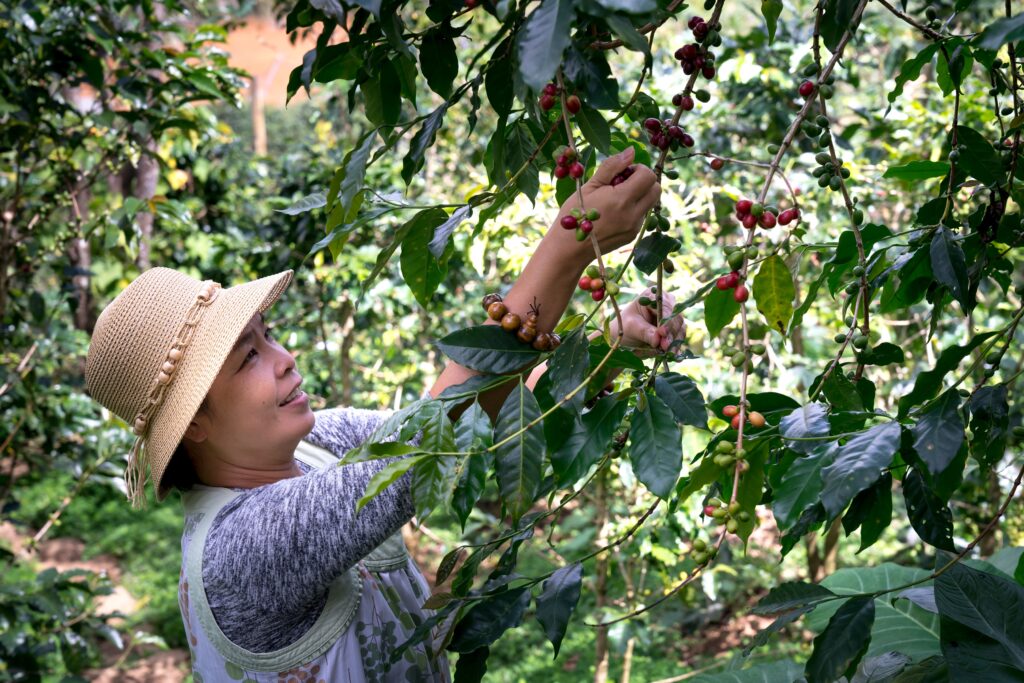
One of the clearest ways climate change is affecting coffee farms is through increasing temperatures.
When coffee trees become too hot, they experience greater stress.
This can lead to:
- fewer flowers
- smaller harvests
- slower cherry development
- lower bean quality
- reduced plant health
In many coffee-producing countries, farmers are already planting at higher elevations where temperatures remain cooler.
Unfortunately, mountains only go so high.
Rainfall Is Becoming Less Predictable
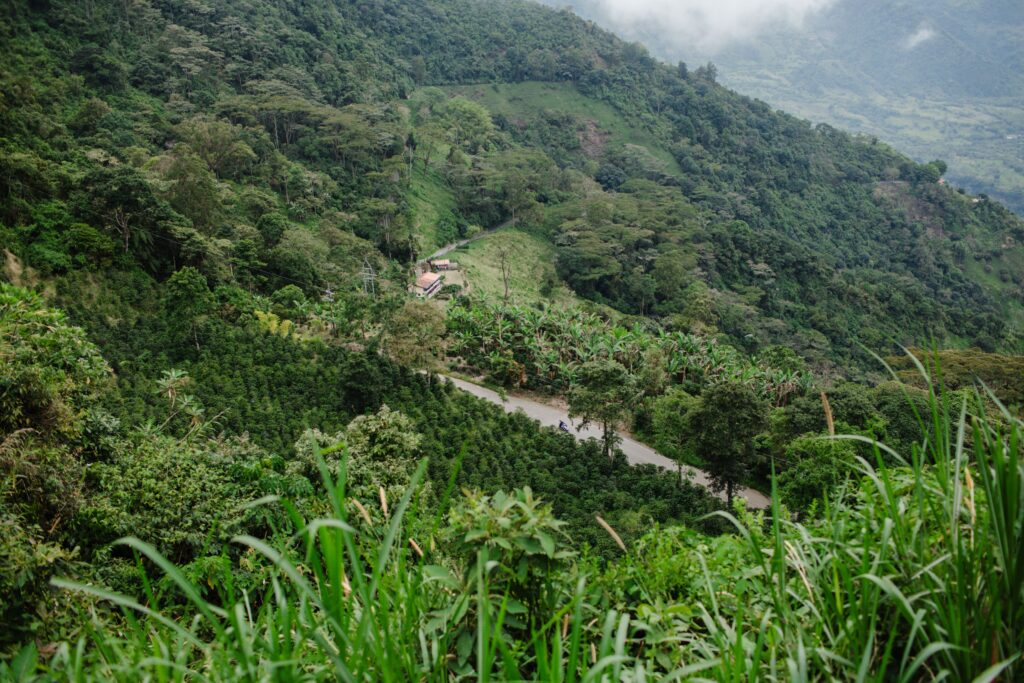
Coffee trees depend on seasonal rainfall to trigger flowering.
Traditionally, farmers could rely on relatively consistent wet and dry seasons.
Today, rainfall is becoming much harder to predict.
Some farms experience prolonged droughts.
Others receive intense rainfall within a short period, increasing erosion and damaging crops.
When flowering becomes irregular, cherries ripen at different times, making harvesting slower, more expensive and often less productive.
For farms already operating on tight margins, this creates another layer of uncertainty.
Pests and Diseases Are Expanding
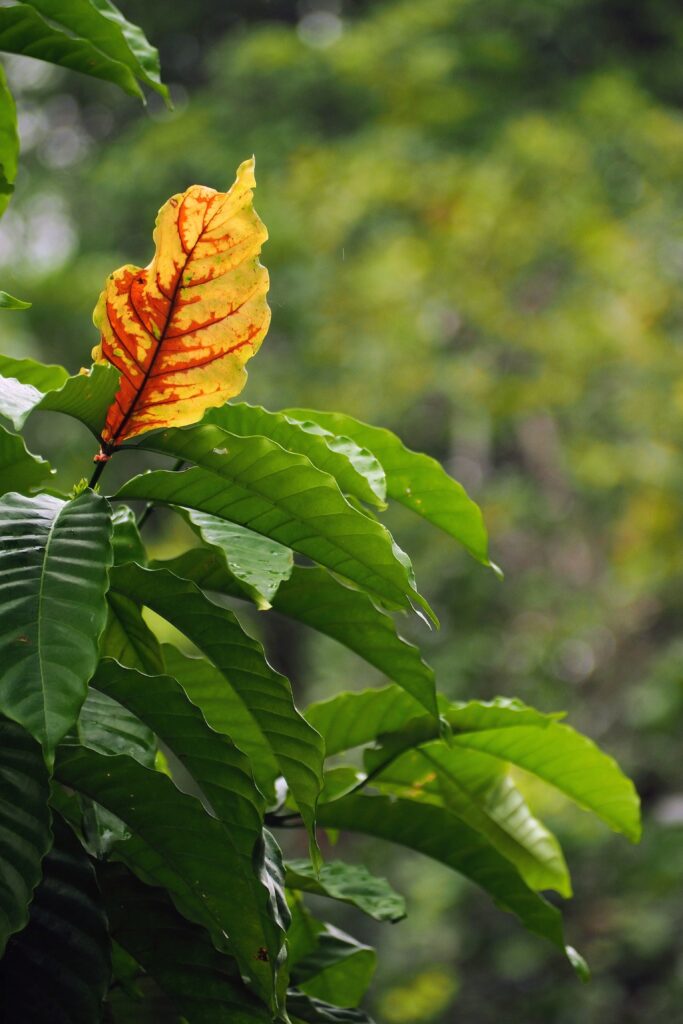
Warmer temperatures also allow pests and plant diseases to spread into areas that were previously protected by cooler climates.
One of the best-known examples is Coffee Leaf Rust, a fungal disease that attacks the leaves of coffee trees.
Without healthy leaves, trees struggle to produce enough energy to develop quality cherries.
Another major threat is the Coffee Berry Borer, a tiny beetle that burrows directly into coffee cherries, damaging the beans before they are harvested.
Farmers now spend more time monitoring crops and protecting plantations than ever before.
Extreme Weather Can Destroy Entire Harvests
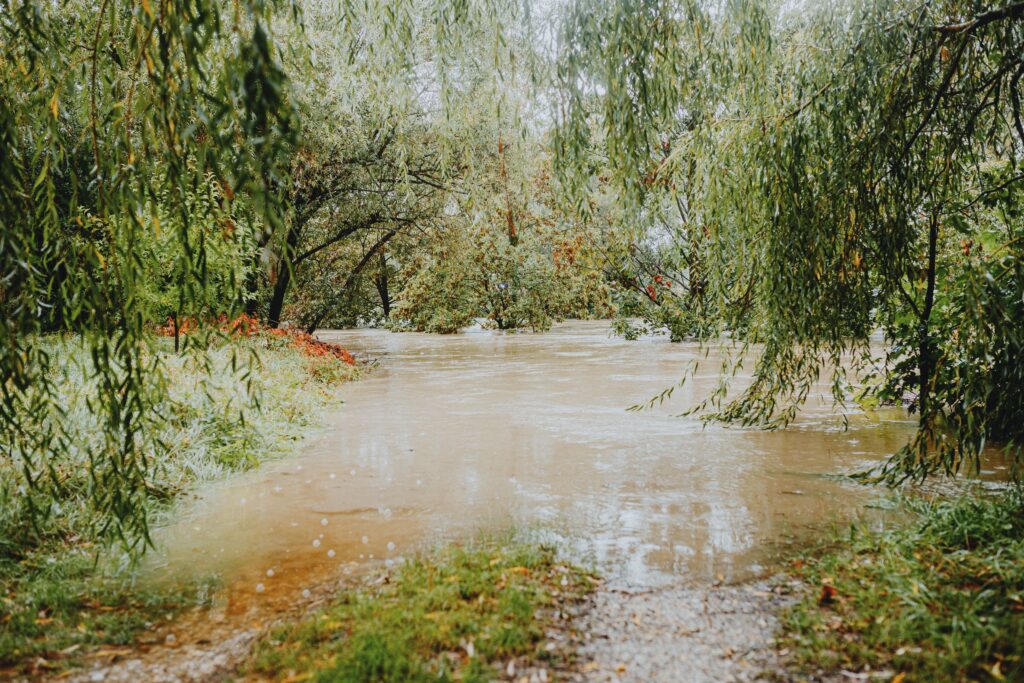
Climate change is not just about average temperatures.
Extreme weather events are becoming increasingly important.
Coffee farms may now face:
- prolonged drought
- flooding
- landslides
- heatwaves
- unusually strong storms
- unexpected frosts
Even a single severe event can damage an entire year’s crop.
Because coffee trees take years to mature, recovering from a major disaster is rarely quick.
Farmers Are Adapting
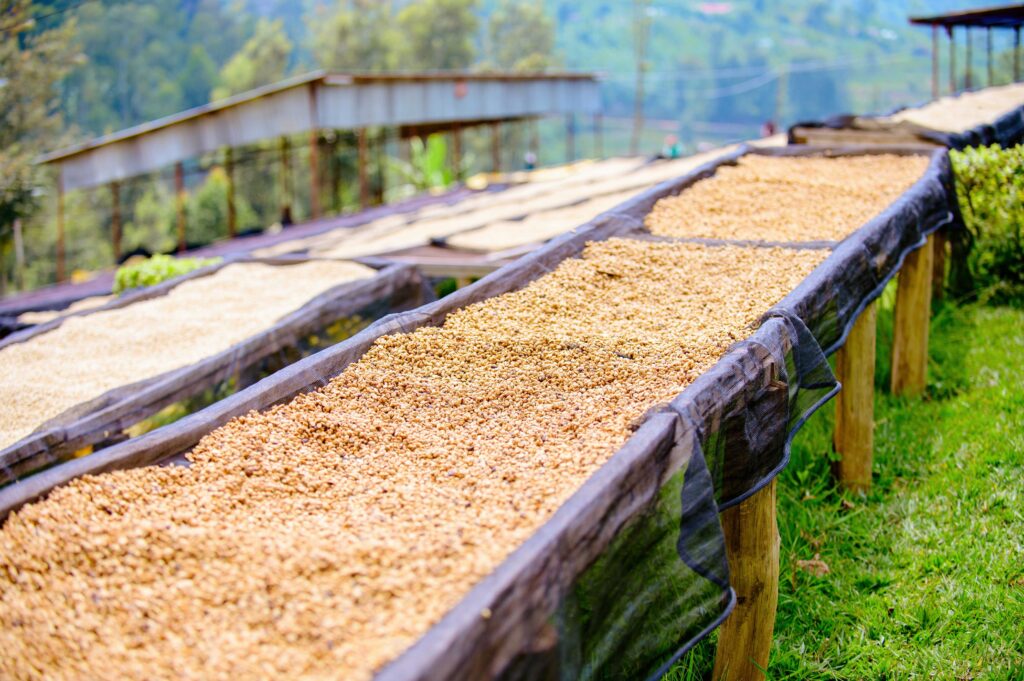
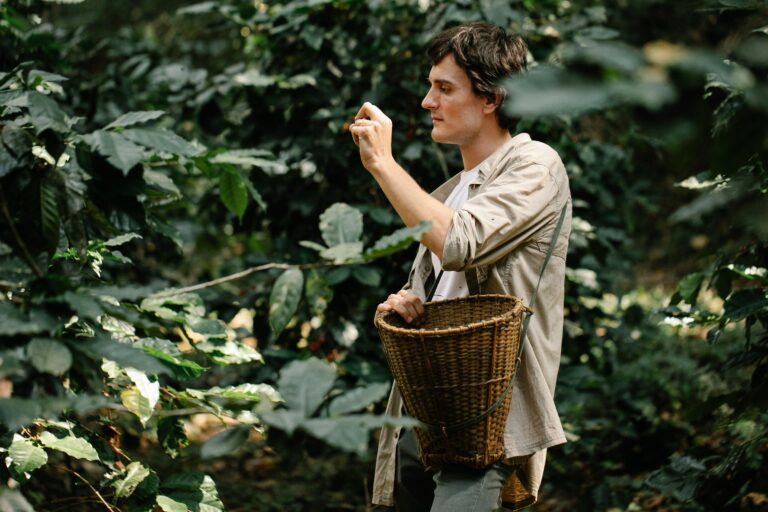
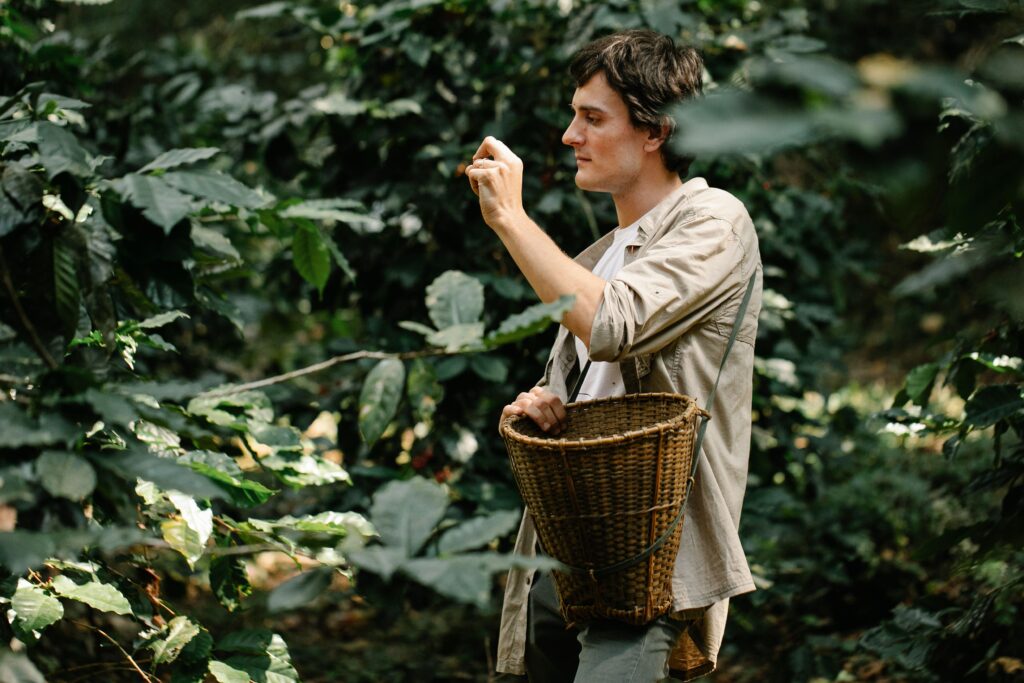
Fortunately, coffee farmers are incredibly resilient.
Across the coffee-growing world, producers are adopting new techniques to protect both their crops and the environment.
Many farms now plant shade trees alongside coffee.
These trees help lower temperatures, improve biodiversity and reduce water loss from the soil.
Others invest in better irrigation systems, improved drainage or new coffee varieties that are more resistant to disease and changing weather conditions.
Researchers continue to develop more resilient coffee plants capable of producing excellent flavour under increasingly difficult growing conditions.
What Does This Mean for Coffee Drinkers?

Most coffee lovers will never visit the farms where their beans were grown.
However, the challenges facing coffee farmers eventually affect everyone in the supply chain.
Smaller harvests often mean less coffee is available.
Greater uncertainty can increase production costs.
More labour may be required to protect crops, manage disease or harvest cherries over a longer period.
All of these pressures contribute to the price of coffee and remind us that every cup begins long before the roasting process.
Coffee Farming Still Has a Bright Future
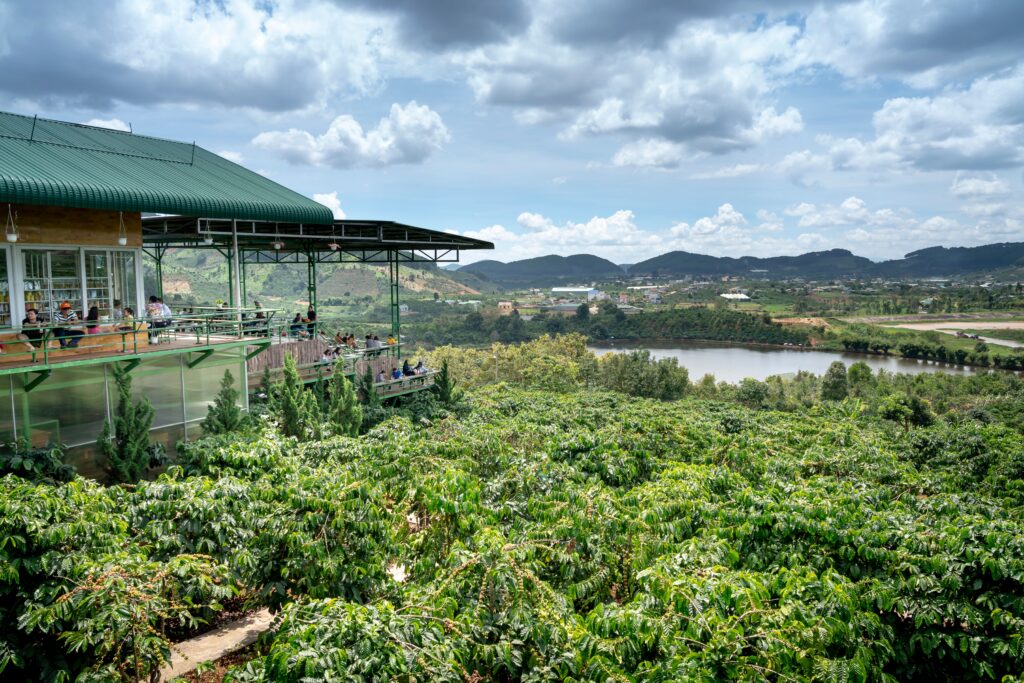
Despite these challenges, there is plenty of reason for optimism.
Coffee farmers have always adapted.
They have survived disease outbreaks, changing markets, political instability and economic uncertainty throughout history.
Today, many are embracing modern farming techniques, improved environmental management and scientific research to protect the future of coffee.
As coffee drinkers, supporting businesses that value quality, long-term relationships and responsible sourcing helps encourage investment throughout the supply chain.
Climate change is undoubtedly affecting coffee farms, but innovation, research and experience continue to give the industry reasons to look forward.
Final Thoughts
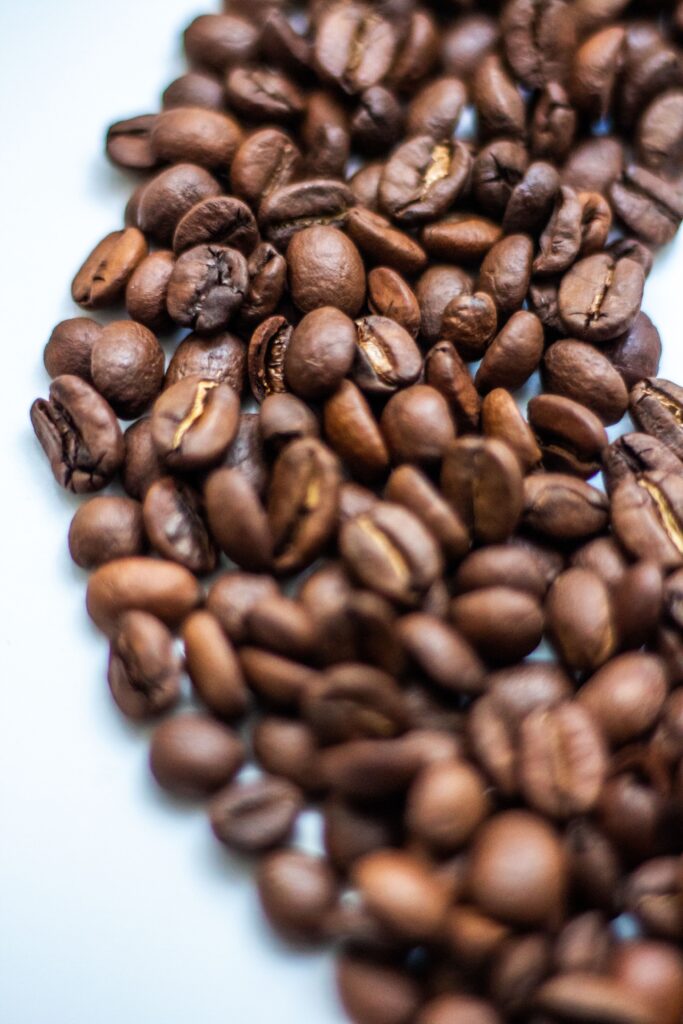
Understanding how climate change is affecting coffee farms helps explain why coffee is becoming more valuable and why quality coffee deserves appreciation.
Behind every bag of freshly roasted coffee is years of work from growers who face changing weather, challenging harvests and an increasingly unpredictable climate.
At Hormozi Coffee, we remain committed to sourcing carefully selected coffees and roasting every order fresh, celebrating the hard work that begins long before the beans ever reach our roastery.